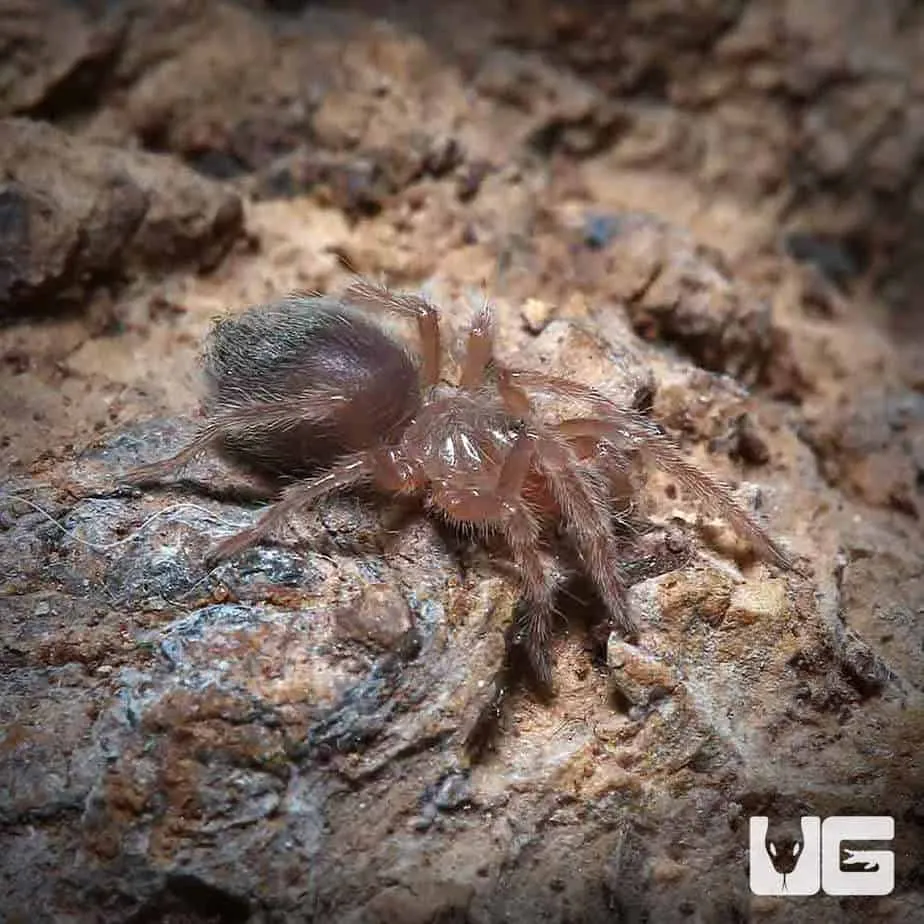
What is a Zebra Tarantula?
The Amazon Zebra Tarantula ( Aphonopelma seemanni) is a captivating arachnid increasingly popular among tarantula enthusiasts. Native to Central America, including Costa Rica and Nicaragua, these spiders get their name from the striking black and white stripes on their legs, resembling a zebra’s pattern. Their relatively docile temperament and manageable size make them a popular choice for beginner and experienced keepers alike. These creatures offer a fascinating glimpse into the world of exotic pets, provided their specific needs are carefully considered and met. Caring for an Amazon Zebra Tarantula involves understanding its natural habitat, dietary requirements, and the environment it needs to thrive. This guide will provide you with all the essential information to ensure your tarantula lives a long, healthy, and fulfilling life.
Appearance and Characteristics
The Zebra Tarantula’s appearance is arguably its most appealing feature. As mentioned, the legs display bold black and white bands. The carapace, or the top of the cephalothorax, can range from a light tan to a dark brown color. Their abdomen is typically covered in dark hairs. These spiders are relatively large, with a leg span that can reach up to 5-6 inches, making them visually impressive. Their overall build is sturdy, and their movements are generally slow and deliberate, which can be mesmerizing to watch. The contrast of the stripes against the darker body provides a striking visual that makes them stand out among other tarantula species. This distinct appearance is one of the main reasons why they are so sought after by pet owners and collectors. The females are generally larger and more robust than males.
Size and Lifespan

The size of an Amazon Zebra Tarantula is an important factor for potential keepers. Females typically grow larger than males. A mature female can have a leg span of up to 6 inches. Males are usually smaller, around 4-5 inches. The lifespan of these tarantulas is another crucial consideration. Females can live for a remarkable 10-15 years or even longer under optimal conditions. Males, however, have a shorter lifespan, usually only living for 3-5 years after reaching maturity. This difference in lifespan is typical for many tarantula species. When considering a Zebra Tarantula, the commitment of a longer lifespan for a female should be a key factor in your decision-making process. Properly caring for them, including proper diet, temperature, and humidity, directly impacts their longevity and overall well-being.
Why is it called Zebra Tarantula?
The name ‘Zebra Tarantula’ is derived directly from the striking pattern of black and white stripes found on their legs. This pattern is highly reminiscent of the stripes of a zebra. This distinctive banding is a clear identifier and one of the most attractive features of the species, contributing to its popularity among hobbyists. The visual appeal of the zebra-like stripes is the primary reason behind the common name, making it easy to identify and remember this particular tarantula. The scientific name, Aphonopelma seemanni, honors the German botanist Berthold Seemann, but it’s the common name that most people use. The pattern also helps them camouflage within their natural habitats, where dappled sunlight on the forest floor can mimic the stripes and help them blend in.
Amazon Zebra Tarantula Habitat
Understanding the natural habitat of the Amazon Zebra Tarantula is essential for providing appropriate care. These tarantulas are native to the tropical dry forests of Central America, including areas of Costa Rica and Nicaragua. In the wild, they live in terrestrial burrows, often found in relatively dry, well-drained soil. They prefer areas with moderate temperatures and humidity levels. The terrain typically includes a mix of leaf litter, vegetation, and rocky outcroppings. Knowing this helps to replicate their natural environment as closely as possible in captivity. They are often found in areas with some degree of shade to protect them from direct sunlight. Recreating the habitat in your home will help your tarantula thrive. It means focusing on replicating the right temperature, humidity, and substrate conditions that they would naturally experience.
Creating the Perfect Enclosure

Setting up the right enclosure is vital for your Zebra Tarantula’s well-being. A suitable enclosure should be at least 10-gallon tank for juveniles, and a 20-gallon long tank is recommended for adults to provide enough space for them to move around and burrow. The enclosure should have a secure lid to prevent escapes. Good ventilation is essential to prevent mold and maintain air quality, but avoid drafts. The enclosure should be placed in a location away from direct sunlight and extreme temperatures. A hide, such as a piece of cork bark or a half-log, is essential for providing a secure retreat for your tarantula. The enclosure’s size, ventilation, and placement all contribute to a safe and comfortable environment for your pet, reducing stress and promoting natural behaviors.
Substrate and Decoration
Choosing the right substrate is crucial for replicating the Zebra Tarantula’s natural habitat. A mixture of coco fiber, peat moss, and a bit of vermiculite is ideal, providing good drainage and moisture retention while allowing for burrowing. The substrate depth should be at least 4-6 inches to allow the tarantula to create its burrow. Decorations should be kept to a minimum. Include a hide, such as a piece of cork bark, or a hollow log, to give the tarantula a place to retreat and feel secure. Adding some dried leaves can mimic the natural environment and provide enrichment. Ensure the decorations are securely placed to prevent them from crushing the tarantula. Regular cleaning and maintenance are essential to prevent the build-up of bacteria or mold and to maintain a healthy living space for your pet.
Temperature and Humidity
Maintaining the correct temperature and humidity levels is critical for the health of your Zebra Tarantula. The ideal temperature range is between 75-85°F (24-29°C). A heat lamp or a heat mat placed on the side of the enclosure can help maintain this temperature, but always monitor the temperature carefully to prevent overheating. Humidity levels should be kept between 60-70%. You can monitor humidity with a hygrometer and adjust it by lightly misting the enclosure with dechlorinated water. Proper ventilation is also essential for maintaining the correct humidity levels without causing mold. Providing the right temperature and humidity will help your tarantula stay healthy and comfortable, promoting proper molting and overall well-being.
Feeding Your Amazon Zebra Tarantula

Feeding your Zebra Tarantula properly is essential for its health and growth. They are insectivores and will readily consume a variety of live insects. Provide a varied diet to ensure your tarantula gets all the necessary nutrients. Feeding your Zebra Tarantula is a relatively straightforward process, but requires attention to detail to ensure the spider’s health and well-being. Choosing the right food, understanding feeding frequency, and providing adequate water are all critical components of proper care. A healthy diet translates into a longer lifespan for your tarantula and allows you to observe its natural behaviors more readily.
What to Feed
Zebra Tarantulas typically feed on live insects. Good options include crickets, roaches (such as Dubia roaches), mealworms, and, occasionally, superworms. Always ensure the insects are gut-loaded before feeding them to your tarantula. This means feeding the insects nutritious food, such as fresh vegetables and commercial insect food, to ensure they are packed with vitamins and minerals. Avoid feeding them wild-caught insects, as these may carry parasites or pesticides. The size of the food should be appropriate for the size of your tarantula. Typically, the prey should be no larger than the tarantula’s body size. The food variety and quality will contribute to your tarantula’s overall health.
Feeding Frequency
The feeding frequency depends on the tarantula’s age and size. Spiderlings and juveniles should be fed 2-3 times a week, while adults can be fed once a week or every other week. Adjust the feeding schedule based on your tarantula’s appetite and body condition. Overfeeding can lead to obesity, which can be detrimental to their health. Monitor your tarantula’s abdomen. It should be plump but not overly distended. If the abdomen appears too large, reduce the feeding frequency. Remove any uneaten insects within 24 hours to prevent them from stressing your tarantula. Careful observation and adjustments to the feeding schedule are key to maintaining a healthy and happy tarantula.
Water and Hydration

Providing fresh water is crucial. Always have a shallow water dish available. Use a small, shallow dish to prevent the tarantula from drowning. Ensure the water is always clean. Change the water regularly, ideally every day or every other day, to prevent bacterial growth. The water should be dechlorinated. Consider using bottled water or tap water treated with a water conditioner. In addition to the water dish, you can mist the enclosure lightly once or twice a week to maintain proper humidity, especially during molting. Proper hydration is essential for a healthy Zebra Tarantula. This is vital for their survival and overall well-being.
Amazon Zebra Tarantula Health and Wellness
Maintaining your Zebra Tarantula’s health involves understanding common health issues and how to prevent them. Regular observation and preventative care are crucial for ensuring a long and healthy life for your pet. Recognizing the signs of illness early and responding promptly can make a big difference in your tarantula’s health. Proper care and attention will enable you to enjoy your tarantula for many years.
Common Health Issues
Some common health issues include dehydration, which can be prevented by providing a consistent water source. Mites can also be a problem, often caused by poor hygiene in the enclosure. You might see small, white or reddish spots moving on the tarantula or in the substrate. If mites are present, you may need to clean the enclosure thoroughly and replace the substrate. Fungal infections are also possible, often due to high humidity and poor ventilation. Symptoms include discoloration or lesions on the tarantula’s body. If you notice any health concerns, it’s always best to consult with a veterinarian specializing in exotic pets or an experienced tarantula keeper.
Preventative Care

Preventative care is essential. Maintain a clean and hygienic enclosure by removing uneaten food and waste regularly. Provide a balanced diet with gut-loaded insects to ensure proper nutrition. Keep the temperature and humidity levels within the recommended ranges. Regularly inspect your tarantula for any signs of illness, such as changes in behavior, loss of appetite, or physical abnormalities. Quarantine any new tarantulas before introducing them to your collection. Provide a secure and stress-free environment. Proactive care can significantly reduce the risk of health issues and ensure your tarantula lives a long and healthy life.
Handling and Safety
While Zebra Tarantulas are generally considered docile, handling them is not always recommended. They can bite if they feel threatened. Their bite is not considered medically significant to humans, but it can be painful and cause localized symptoms. Handling should be minimized to avoid unnecessary stress for the tarantula. If you must handle the tarantula (such as for cleaning the enclosure), do so carefully and slowly. It’s best to let the tarantula walk onto your hand rather than grabbing it. Always wash your hands thoroughly before and after handling. Be mindful of the tarantula’s temperament and behavior. It is a good idea to handle them over a soft surface, like a bed or the floor, to prevent injury in case of a fall. Safe handling practices are very important for the safety of both the tarantula and the handler.
Breeding Amazon Zebra Tarantulas
Breeding Zebra Tarantulas can be a rewarding but also challenging endeavor. It requires a thorough understanding of the tarantula’s biology and behavior. If you are interested in breeding, it is crucial to research and prepare adequately. The process involves careful planning, appropriate environmental conditions, and attention to detail. Successful breeding can contribute to the tarantula hobby and provide the opportunity to observe the entire life cycle of these fascinating creatures. Careful preparation is key for a successful breeding experience.
Identifying Males and Females

Sexing your Zebra Tarantulas is the first step in the breeding process. Females are typically larger and have a longer lifespan. The most reliable method for sexing is to examine the underside of the tarantula. Mature males will have tibial hooks on their front legs, which they use to hold the female’s fangs during mating. Males also have palpal bulbs, which are modified pedipalps used for sperm transfer. Another method involves checking the epigastric furrow, located on the underside of the abdomen. If you are unsure, consult with an experienced breeder or use a magnifying glass to get a closer look. Accurate sex identification is important for breeding success.
The Breeding Process
Once you have a confirmed male and female, introduce the male to the female’s enclosure. The female might be receptive, and the male will approach her cautiously, tapping on her legs to initiate courtship. If the female is receptive, she will allow the male to mate. Mating involves the male using his palpal bulbs to transfer sperm to the female. After mating, it’s important to remove the male to prevent him from being eaten by the female. The female will then lay an egg sac, which she will guard and protect. The gestation period can vary, typically several weeks to a few months. After the spiderlings hatch, you’ll need to provide them with a separate enclosure. Careful monitoring and management of the spiderlings is essential for their survival and growth. Breeding these tarantulas is a complex process that needs a strong commitment.
Conclusion
Caring for an Amazon Zebra Tarantula can be a fulfilling experience for those who are passionate about exotic pets. These beautiful arachnids offer a unique opportunity to learn about their behavior, habitat, and specific needs. By providing a proper environment, appropriate diet, and understanding their basic needs, you can ensure your Zebra Tarantula lives a long, healthy, and enjoyable life. Whether you’re a beginner or an experienced hobbyist, these creatures are a great addition to the world of exotic pets, as long as their care requirements are carefully met. The dedication and care you provide will be rewarded with the opportunity to observe these amazing creatures up close.