Arizona Blonde Tarantula Amazing Facts
The Arizona Blonde Tarantula, scientifically known as Aphonopelma chalcodes, is a captivating arachnid that has fascinated both scientists and pet enthusiasts alike. Native to the deserts of the southwestern United States, these spiders are known for their docile nature, impressive size, and beautiful coloration. This blog post uncovers ten amazing facts about the Arizona Blonde Tarantula, providing insights into its life, behavior, and the world it inhabits. From its physical characteristics to its role in the ecosystem and its popularity as a pet, we will explore what makes these creatures so special. Prepare to be amazed by the wonders of the Arizona Blonde Tarantula and gain a deeper appreciation for the natural world.
Appearance and Characteristics
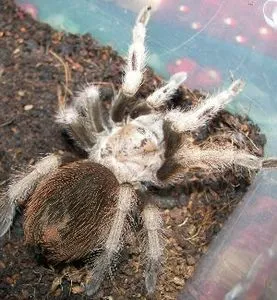
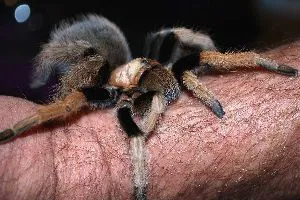
The Arizona Blonde Tarantula is aptly named for its beautiful, light-brown coloration, which often appears golden or tan. This coloration provides excellent camouflage in its natural desert habitat. Adult females can have a leg span of up to 6 inches, making them quite impressive to behold. Males are generally smaller and have longer legs, but they don’t display the same vibrant colors as the females. Their bodies are covered in fine hairs called setae, which serve as sensory organs, helping them detect vibrations and changes in their environment. These hairs also play a role in their defense mechanisms, as they can flick them off to deter predators.
Habitat and Native Range
These tarantulas are primarily found in the arid and semi-arid regions of the southwestern United States, particularly in Arizona, hence their name, as well as in parts of California, Nevada, Utah, and New Mexico. They prefer to inhabit burrows in the ground, often under rocks or near vegetation. Their natural habitat is typically characterized by dry, desert landscapes with sandy or loamy soil. The Arizona Blonde Tarantula has adapted perfectly to this harsh environment, where it can survive by regulating its body temperature and conserving water. They are typically found in low desert regions, such as those near Phoenix and Tucson, where temperatures can be extreme.
Diet and Feeding Habits
Arizona Blonde Tarantulas are opportunistic predators, their diet mainly consisting of insects, such as crickets, grasshoppers, and beetles. They are also known to eat other arthropods and, occasionally, small vertebrates like lizards and even small mice. They are ambush predators, waiting patiently in or near their burrows for prey to come within striking distance. When a suitable meal comes close, the tarantula will quickly pounce, injecting venom to immobilize its target. The venom also starts the digestion process by breaking down the prey’s tissues. The spider then uses its chelicerae, or fangs, to grind and consume the liquefied remains.
Lifespan and Growth
One of the most remarkable facts about the Arizona Blonde Tarantula is its longevity. Females can live for up to 25 years in the wild and even longer in captivity, making them some of the longest-lived spiders. Males, on the other hand, have a significantly shorter lifespan, typically only living for 7 to 10 years. The tarantula grows by molting, shedding its exoskeleton to allow for growth. This process can be quite stressful for the spider, but it is essential for its development. During molting, the tarantula is vulnerable, and it will hide to protect itself. The frequency of molting decreases as the spider matures, becoming less frequent in adult females.
Defense Mechanisms

Arizona Blonde Tarantulas have several defense mechanisms to protect themselves from predators. One common defense is the use of urticating hairs, which are barbed hairs on their abdomen that they can flick off towards potential threats. These hairs cause intense irritation upon contact with skin and eyes, deterring predators. They will also try to flee if threatened. When cornered, a tarantula might stand its ground, raising its front legs and displaying its fangs in a defensive posture. While their bite can be painful, their venom is generally not considered dangerous to humans. Moreover, they are very docile and rarely bite unless provoked.
Reproduction and Life Cycle
The reproduction process in Arizona Blonde Tarantulas is fascinating. Male tarantulas, after reaching maturity, will set out to find a mate. They signal their intentions by drumming on the ground or emitting pheromones to attract females. The males then carefully approach the females, as they could be perceived as prey if they do not approach carefully. If the female is receptive, mating will occur. After mating, the female will lay eggs in a silk sac, which she guards diligently. The eggs hatch into spiderlings, which will then go through several molts before becoming adult tarantulas. This cycle typically happens during the warmer months.
Behavior and Temperament
Arizona Blonde Tarantulas are generally known for their docile and calm temperament, making them popular choices for beginner tarantula keepers. They are not aggressive spiders, and they prefer to avoid confrontation. They spend a significant portion of their time in their burrows, coming out primarily to hunt or mate. They are nocturnal creatures, meaning they are most active at night. Their behavior is also influenced by environmental factors, such as temperature and humidity. In captivity, their behavior can be affected by the care they receive, including their enclosure setup and the frequency of feeding.
Popularity as Pets

The Arizona Blonde Tarantula is a sought-after pet due to its beautiful appearance, docile nature, and relatively easy care requirements. They do not require extensive space, making them suitable for apartment living. Many people find them captivating to observe, fascinated by their intricate behaviors and unique characteristics. However, owning a tarantula is a long-term commitment, as they have a very long lifespan. Responsible tarantula owners research the needs of their pets, providing proper enclosures, feeding, and environmental conditions. This helps to promote the health and well-being of the tarantula.
Conservation Status
The Arizona Blonde Tarantula is not currently listed as an endangered species. However, habitat loss and the pet trade can impact their populations. Sustainable practices, such as responsible sourcing from reputable breeders and habitat preservation, are crucial for the conservation of these spiders. Many conservation efforts focus on maintaining the natural environment and educating the public about the importance of desert ecosystems. Supporting these efforts can help to ensure that these magnificent creatures continue to thrive in the wild.
Handling and Safety Tips
When handling an Arizona Blonde Tarantula, it is essential to exercise caution and respect the animal’s needs. Always handle them gently and avoid sudden movements. Handle them close to a soft surface in case of a fall. Avoid handling them unless necessary, and always wash your hands before and after handling. Remember, even though they are docile, they can still bite if provoked. If you are bitten, clean the wound thoroughly and monitor for any signs of allergic reactions. Also, be aware of the urticating hairs, which can cause irritation. With proper handling and care, owning an Arizona Blonde Tarantula can be a rewarding experience.
Conclusion

The Arizona Blonde Tarantula is a remarkable creature, well-adapted to its desert habitat and admired by many. From their impressive appearance and docile nature to their fascinating behaviors and long lifespans, these spiders offer a unique glimpse into the world of arachnids. By learning about their habitat, diet, behavior, and conservation, we can gain a greater appreciation for these amazing creatures. Whether you’re a seasoned tarantula enthusiast or simply curious, the Arizona Blonde Tarantula is sure to captivate and inspire.