
What is Tarantula Migration in Arkansas
Tarantula migration in Arkansas is a fascinating natural event where these large, hairy spiders embark on a journey, typically during the late summer and early fall. This migration is primarily driven by the tarantulas’ reproductive cycle. Male tarantulas, in particular, set out in search of females to mate with, traveling across various terrains in the state. The sight of these spiders on the move can be a spectacle for nature enthusiasts, offering a unique opportunity to observe wildlife behavior firsthand. Understanding this migration is key to appreciating the natural rhythms of Arkansas’s ecosystem and the role these creatures play within it.
Understanding the Tarantula Life Cycle
The tarantula life cycle is a significant factor in understanding their migration patterns. Tarantulas, like all spiders, undergo a process of molting as they grow, shedding their exoskeletons. They can live for many years, with females often outliving males. The primary purpose of the migration is for males to find a mate, which usually occurs after they have reached sexual maturity. The mating season is a critical time for tarantulas, as it ensures the continuation of their species. The timing of this migration correlates directly with their life cycle stages, influenced by environmental factors like temperature and humidity, making it a predictable, yet amazing, natural phenomenon.
Factors Triggering Migration

Several factors trigger the tarantula migration in Arkansas. Primarily, the change in seasons, specifically the transition from summer to autumn, plays a crucial role. The decrease in daylight hours and cooler temperatures signal the beginning of the mating season. Additionally, humidity levels and recent rainfall can also influence the timing of the migration, as these conditions can make it easier for the spiders to move across the terrain. The abundance of potential mates also increases, as mature males become more active and females become receptive. This combination of environmental cues creates the perfect conditions for the start of the annual migration, making it a predictable event for those who know what to look for.
How to Identify Tarantulas
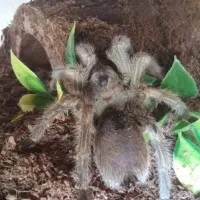
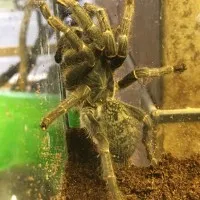
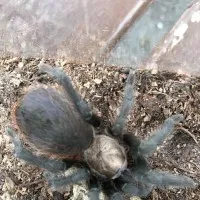
Identifying tarantulas correctly is essential for both observation and safety during the migration season. Their large size and hairy appearance are distinctive features. They typically have robust bodies with eight legs and two chelicerae, which are mouthparts that often look like fangs. The color of tarantulas in Arkansas can vary, ranging from dark brown to black, with some species exhibiting reddish or orange hairs. Observing their behavior can also help with identification. They are often seen actively moving across the ground, especially during the migration period. It’s important to familiarize yourself with the specific species common to Arkansas to properly identify the tarantulas you encounter.
Distinguishing Male and Female Tarantulas
Distinguishing between male and female tarantulas during the migration is important, as males are the primary participants in this journey. Males are typically smaller and have longer legs than females, particularly the front legs. They also possess specialized structures called ‘pedipalps’ located near their mouthparts, which they use for mating. Female tarantulas are usually larger and have a more robust build. Observing these physical characteristics can help you differentiate between the sexes. The male tarantulas are the ones you are most likely to see during migration, actively searching for mates, while the females often stay in their burrows, waiting to attract a male.
Identifying the Common Arkansas Species

Several tarantula species can be found in Arkansas, and knowing which ones are common can enhance your observation experience. The most frequently encountered species include the Texas Brown Tarantula (Aphonopelma hentzi). This tarantula is known for its brown coloration and moderate size. Another species that you might encounter is the Oklahoma Brown Tarantula. When identifying, pay attention to the size, coloration, and specific markings. It’s always recommended to consult field guides or online resources to confirm the species. By learning to identify these species, you can gain a deeper appreciation for the local biodiversity and become a more informed observer of the migration.
Where to Spot Tarantula Migration
Knowing where to look for tarantula migration in Arkansas will increase your chances of witnessing this event. Tarantulas are commonly found in areas with suitable habitats, such as grasslands, open woodlands, and along the edges of forests. They prefer areas with well-drained soil where they can build their burrows. Look for them crossing roads, trails, and open fields, particularly during the late afternoon and early evening hours. Parks and nature reserves in the state offer excellent opportunities for observation, as they often have undisturbed habitats that tarantulas favor. Being aware of the terrain they prefer and focusing on these locations will help you spot them during their migration.
Prime Viewing Locations
Several locations in Arkansas are particularly good for viewing tarantula migration. Consider visiting state parks, such as Lake Ouachita State Park and Petit Jean State Park. These parks often have well-maintained trails and open areas that are ideal for spotting migrating tarantulas. Look for areas with a mix of vegetation and open ground. National forests, like the Ozark National Forest, are also promising locations, offering vast areas of suitable habitat. When planning your trip, check local wildlife reports or contact park rangers for information on recent sightings. These resources can provide valuable information about the best spots and times to increase your chances of seeing the migration.
Optimal Timing for Migration
The optimal timing for tarantula migration in Arkansas is typically from late summer through early fall, usually between August and October. The peak of the migration often coincides with the end of the hot summer days and the onset of cooler nights. The best time to observe them is often during the late afternoon and early evening hours. The migration is also influenced by weather conditions, with cooler temperatures and higher humidity levels often encouraging greater activity. Monitoring the weather forecast and planning your outings accordingly can maximize your chances of witnessing the migration. Keep in mind that the exact timing can vary slightly each year depending on environmental factors.
Safe Observation Practices
Safe observation practices are essential when viewing tarantula migration. Keep a safe distance from the spiders, and do not attempt to handle or disturb them. Tarantulas can bite if they feel threatened, and although their venom is not usually dangerous to humans, a bite can be painful. It’s best to observe them from a distance, using binoculars or a camera with a good zoom lens. Wear appropriate clothing, including long pants and closed-toe shoes, to protect your skin from potential bites or other hazards. Always be aware of your surroundings, and avoid walking in tall grass or areas where tarantulas might be hidden. Safe observation ensures that both you and the tarantulas remain unharmed.
Avoiding Disturbing Tarantulas
Avoiding disturbance is crucial for responsible wildlife observation during the tarantula migration. Do not attempt to touch or handle the tarantulas, as this can cause stress and potentially lead to a bite. Stay on marked trails, and avoid entering their burrows or interfering with their natural habitat. Refrain from using flash photography, as bright lights can disorient the spiders. Keep noise levels low, and avoid making sudden movements that might startle them. By respecting their space and minimizing your impact on their environment, you contribute to their well-being and ensure that others can also enjoy observing this natural phenomenon. Your respectful behavior is a key element in conservation.
What to Do if You Encounter One
If you encounter a tarantula during its migration, the best course of action is to observe it from a safe distance. Allow the spider to continue its journey undisturbed. If you find a tarantula in your home or yard, it is best to let it be. If you feel it’s necessary to remove it, use a container to gently capture and release it outside, away from your home. Avoid direct contact and never try to trap or handle it with your bare hands. Observe its behavior, and appreciate the opportunity to witness this unique natural event. In most cases, simply observing from a distance is the safest and most rewarding approach.
Documenting Your Observations
Documenting your observations can greatly enhance your understanding and appreciation of the tarantula migration. Keep a record of your sightings, noting the date, time, location, and any other relevant details. You can also include notes on the tarantula’s behavior, such as its direction of travel, interactions with other animals, and any unique characteristics. Taking photographs or videos is an excellent way to document your experiences. These records can be valuable for personal learning and may also be used to contribute to scientific research or educational initiatives. Careful documentation can provide valuable insights into the migration patterns and behavior of these amazing creatures.
Photography Tips for Tarantula Migration
Photography is a fantastic way to capture the beauty of tarantula migration. Use a camera with a good zoom lens to capture clear images from a safe distance. Focus on capturing the tarantula in its natural environment, highlighting the landscape and any interesting behaviors. Try to take photos during the golden hours (shortly after sunrise and before sunset), as the soft light will enhance the images. Consider using a tripod to stabilize your camera, ensuring sharper images. Remember to respect the spider’s space and avoid getting too close. Capturing compelling images of the tarantula migration allows you to share your experience and contribute to a deeper understanding of these fascinating creatures.
Sharing Your Findings
Sharing your findings is a great way to contribute to our collective knowledge of tarantula migration. You can share your photos, videos, and observations on social media platforms, using relevant hashtags to connect with other enthusiasts. Consider contributing your data to citizen science projects, where you can help researchers track the migration patterns and gather valuable data. You can also share your experiences with local nature centers, schools, or community groups through presentations or articles. By sharing your findings, you can educate others, promote appreciation for Arkansas’s wildlife, and contribute to conservation efforts. Your contribution can make a difference.