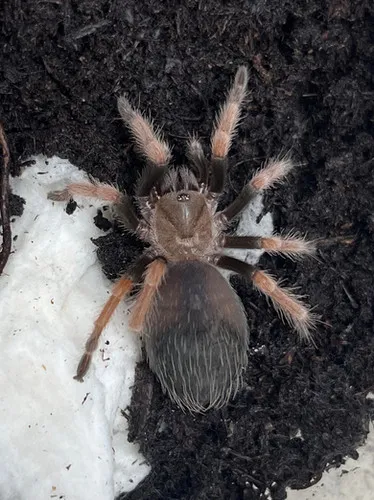
Understanding Baby Mexican Fireleg Tarantulas
The Baby Mexican Fireleg Tarantula, scientifically known as Brachypelma boehmei, is a captivating creature that can make a rewarding pet for experienced arachnid keepers. These spiders are known for their striking appearance, featuring a black body contrasted by vibrant orange or red hairs on their legs, hence the name ‘fireleg.’ Baby tarantulas, or spiderlings, are especially delicate and require specific care to thrive. Understanding their needs from the outset is crucial for their health and longevity. This guide will provide you with the essential information to successfully care for your baby Mexican Fireleg Tarantula and witness its impressive growth.
Characteristics of a Baby Mexican Fireleg Tarantula
Baby Mexican Fireleg Tarantulas are significantly smaller than their adult counterparts, often measuring only a few millimeters in body length. Their size makes them vulnerable, requiring careful handling and a controlled environment. The coloration of baby tarantulas might not be as vivid as that of adults; their colors will become more pronounced with each molt. They are naturally docile spiders, but they can still exhibit defensive behaviors, such as flicking urticating hairs if they feel threatened. The initial stages of their life are marked by rapid growth, necessitating regular feeding and molting. Proper care ensures they develop into the beautiful, robust tarantulas they are known to be.
Identifying a Healthy Baby Mexican Fireleg Tarantula

Observing your baby tarantula’s behavior is key to ensuring its health. A healthy baby tarantula should be active and responsive to its environment, exploring its enclosure and exhibiting a healthy appetite. Look for a plump abdomen, which indicates it is well-fed and hydrated. The tarantula’s fangs should appear clean and intact. Ensure that the spider is free from visible parasites or abnormalities. A healthy spider will molt regularly, leaving behind its old exoskeleton. If you notice lethargy, loss of appetite, or any unusual behavior, it is essential to investigate the cause and provide appropriate care. A proactive approach and observation is critical.
Top 5 Tips for Baby Mexican Fireleg Tarantula Care
Tip 1 Provide a Suitable Enclosure
The enclosure is the foundation of your baby tarantula’s well-being. A secure, appropriately sized container is crucial for its health and safety. The enclosure should be escape-proof, with a secure lid and appropriate ventilation to ensure air circulation. Avoid enclosures that are too large, as baby tarantulas can become stressed in expansive spaces. The environment should mimic the tarantula’s natural habitat, which is typically a terrestrial environment. The right setup provides a comfortable and safe space for the spider to grow, eat, and molt. A well-designed enclosure is not only practical, but can also be aesthetically pleasing, allowing you to observe your spider’s behavior.
Choosing the Right Size Enclosure

The size of the enclosure should correspond to the size of your baby tarantula. A general guideline is to provide a space that is roughly three times the tarantula’s leg span in width and length. For a baby tarantula, a small deli cup or a similar-sized container is usually sufficient. As the tarantula grows, you will need to upgrade the enclosure size to accommodate its increasing needs. Too large an enclosure can make it difficult for the spider to find food, leading to stress and difficulty finding prey. The right size minimizes stress and provides the spider with the resources it needs to flourish. Choosing the right size is also important for maintaining the correct humidity and temperature levels.
Enclosure Setup and Substrate
The enclosure setup should include a substrate, a shallow water dish, and a hide. The substrate should be deep enough for the tarantula to burrow if it chooses to, and it should retain some humidity. A mixture of coconut fiber or peat moss is ideal for these tarantulas, and it’s important to avoid substrates that can be harmful if ingested. A shallow water dish should always be available, providing a source of hydration. A hide, such as a piece of cork bark or a half-log, offers a safe retreat for the spider and reduces stress. The right setup is crucial for providing a healthy and stimulating environment.
Tip 2 Maintaining Ideal Temperature and Humidity
Temperature and humidity are crucial environmental factors for baby Mexican Fireleg Tarantulas. Maintaining the correct levels helps in their development and overall health. Monitoring the environment regularly with a thermometer and hygrometer is an absolute must. Too much or too little can have significant effects on their health and well-being. Incorrect humidity can lead to molting problems and dehydration, while incorrect temperatures can slow down growth or be fatal. Consistency in maintaining the right environment will set the stage for a healthy tarantula.
Temperature Requirements

The ideal temperature range for a baby Mexican Fireleg Tarantula is generally between 75-85°F (24-29°C). Ensure that the temperature is consistent throughout the enclosure. Use a heat source, such as a heat mat placed on the side or under the enclosure (never directly under), if necessary. Always monitor the temperature with a thermometer to ensure the heat source does not overheat the enclosure. Avoid direct sunlight, as it can quickly overheat the enclosure and potentially harm the spider. The proper temperature range promotes healthy metabolism and assists the tarantula with digesting its food.
Humidity Levels and Monitoring
Baby Mexican Fireleg Tarantulas need a humidity level between 60-70%. You can achieve this by regularly misting the enclosure with dechlorinated water, and ensuring the substrate is slightly moist, but not waterlogged. Monitor the humidity levels using a hygrometer to ensure it stays within the ideal range. Proper humidity is essential for successful molting, which is a crucial part of the tarantula’s growth process. Too little humidity can lead to failed molts, while too much can encourage mold and bacterial growth, endangering your tarantula. Regular monitoring and adjustments are vital for maintaining the right balance.
Tip 3 Feeding Your Baby Tarantula
Feeding your baby tarantula is a critical aspect of its care. They need a balanced diet to grow properly. The appropriate food sources, the feeding frequency, and the amount you provide will impact their health and development. These tarantulas are voracious eaters and will readily consume a variety of insects. However, it’s important to ensure the food is nutritious and free from pesticides or other harmful substances. Observing their feeding habits is also helpful for understanding their health and the environmental conditions they are thriving in. A well-fed tarantula will be more active and exhibit healthy growth.
Choosing Appropriate Food

The primary food source for baby Mexican Fireleg Tarantulas should be live insects that are appropriately sized for their body. Crickets, small mealworms, and flightless fruit flies are good options. Ensure the insects are gut-loaded with nutritious food (like vegetables or commercial insect food) before feeding them to your tarantula, as this improves the nutritional value of the meal. Remove any uneaten food after a few hours to prevent mold growth and maintain the cleanliness of the enclosure. Avoid feeding your tarantula insects that are too large, as they can stress the spider or even cause injury. Providing a variety of food can also ensure your tarantula receives a balanced diet.
Feeding Frequency and Amounts
The feeding frequency for a baby Mexican Fireleg Tarantula should be about twice or thrice a week. The amount of food you give depends on the size of the tarantula and its appetite. Start with one appropriately sized insect per feeding. Observe your tarantula’s eating habits. If the tarantula readily eats the insect, you can slowly increase the number of insects or the size of the prey. If your spider is not eating the prey, it may be preparing to molt, so you may need to adjust your feeding schedule. Overfeeding can lead to obesity. It is always important to provide food and water, and to monitor the spider’s behavior to ensure it is eating the right amount for its development.
Tip 4 Providing Proper Hydration
Hydration is just as important as feeding. Baby tarantulas, like all living creatures, need water to survive. Providing access to a clean and reliable water source is vital for their health. This water source should be readily available in the enclosure at all times. Maintaining their hydration ensures their overall health, aids in molting, and keeps their internal systems working correctly. Offering water and ensuring they stay hydrated is one of the most critical aspects of their care.
Water Sources and Availability

A small, shallow water dish is the most common and practical water source for baby Mexican Fireleg Tarantulas. The dish should be shallow enough to prevent the tarantula from drowning. Use a small bottle cap or a similar item if you cannot find a suitable dish. Make sure the water dish is stable and cannot be easily tipped over. Replace the water regularly, ideally every day or every other day, with fresh, dechlorinated water. Ensure the water dish is easily accessible to the tarantula. Providing easy access to clean water contributes directly to your tarantula’s well-being.
Watering Frequency
In addition to a water dish, you should mist the enclosure regularly with dechlorinated water to maintain the appropriate humidity levels. The frequency of misting depends on the humidity levels in your enclosure and your environment. Generally, mist the enclosure once or twice a week. Observe the substrate; it should be slightly moist but never waterlogged. Overwatering can lead to mold and other problems in the enclosure. Always be aware of the environment conditions and take the appropriate action to maintain the right level of humidity.
Tip 5 Handling and Safety Precautions
Handling a baby Mexican Fireleg Tarantula is generally not recommended. Their small size, fragile exoskeletons, and potential for defensive behaviors mean that handling can pose risks to both the spider and the handler. If you must handle the tarantula (such as for enclosure maintenance), always exercise extreme caution. Handling, when necessary, should be done close to a soft surface, to reduce the risk of injury if the spider falls. Always respect the spider’s personal space and recognize any signs of stress.
Safe Handling Practices

If you must handle your baby tarantula, do so with extreme care and patience. Wash your hands thoroughly before and after handling, ensuring that no soap residue or other substances remain on your skin. Avoid sudden movements, and always be gentle. Encourage the tarantula to walk onto your hand rather than trying to pick it up. Handle the tarantula close to a soft surface, like a bed or a carpet, to minimize the risk of injury if it falls. Never squeeze or apply pressure to the spider’s body. Consider wearing gloves if you are unsure about your handling skills or if the tarantula is particularly skittish. The priority should always be the well-being of the tarantula, so only handle it if absolutely necessary.
Recognizing Stress Signals
Understanding your tarantula’s behavior will help you recognize signs of stress. Some indicators of stress include a defensive posture, such as raising the front legs or flicking hairs (urticating hairs) with their hind legs, rapid movements, or hiding behavior. If you observe any of these signs, avoid handling the tarantula and provide it with a quiet and secure environment. Allowing them to retreat and de-stress is crucial for their health. Minimizing disturbances is vital for their health and to build trust between you and your pet.
Common Health Issues and Solutions
Baby Mexican Fireleg Tarantulas, like any pet, can experience health issues. Recognizing these issues early and providing appropriate care is crucial for their well-being. Several problems can arise from improper care or environmental conditions, from issues related to molting to parasites. Knowledge of common issues and their solutions allows you to take quick action, helping the spider stay healthy and happy.
Moulting Process and Care

Molting is a natural process in which tarantulas shed their old exoskeletons to grow. Baby tarantulas molt frequently, often every few weeks or months. During this period, your tarantula will become less active and may refuse to eat. Provide a humid environment and avoid disturbing the spider. Do not attempt to assist the tarantula during the molt; it could injure itself. After the molt, the tarantula’s new exoskeleton will be soft and vulnerable. Avoid handling the tarantula until its new exoskeleton hardens, usually within a week. A proper molt is crucial for growth and development.
Recognizing and Addressing Parasites and Diseases
While relatively rare in captive tarantulas, parasites and diseases can occur. Mites are one of the most common parasites; they are small, often red, and can be found on the tarantula’s body. If you suspect your tarantula has mites, isolate it from other tarantulas and consult an experienced keeper or veterinarian for treatment options. Other diseases may include fungal infections, which are often caused by poor enclosure conditions or too much humidity. Maintaining a clean and well-ventilated enclosure is essential for preventing diseases. Regularly inspect your tarantula for any unusual signs, such as lethargy, loss of appetite, or visible abnormalities, and seek professional advice if needed.
Conclusion
Caring for a baby Mexican Fireleg Tarantula is a rewarding experience. By providing a suitable enclosure, maintaining the correct temperature and humidity, offering appropriate food and hydration, and practicing safe handling, you can ensure the long-term health and well-being of your spider. Remember that observation, patience, and a willingness to learn are key to success. Enjoy the journey of watching your baby tarantula grow and thrive. The beauty and unique characteristics of a Mexican Fireleg Tarantula will amaze you, and careful and consistent care will make it a pet you can enjoy for many years.