Why Choose a Tarantula?
Tarantulas are fascinating creatures, and owning one can be a rewarding experience. Their relatively low-maintenance nature makes them an appealing choice for many pet owners, especially those seeking a unique companion. Unlike dogs or cats, tarantulas don’t require daily walks or constant attention. They are also relatively quiet pets, making them suitable for apartment living or for individuals with busy lifestyles. The allure of these eight-legged wonders lies in their prehistoric appearance, intricate behaviors, and the captivating opportunity to observe their natural instincts. The initial investment for a tarantula can be lower compared to other pets, with the cost mainly focused on the enclosure and the spider itself.
Tarantula Species for Beginners
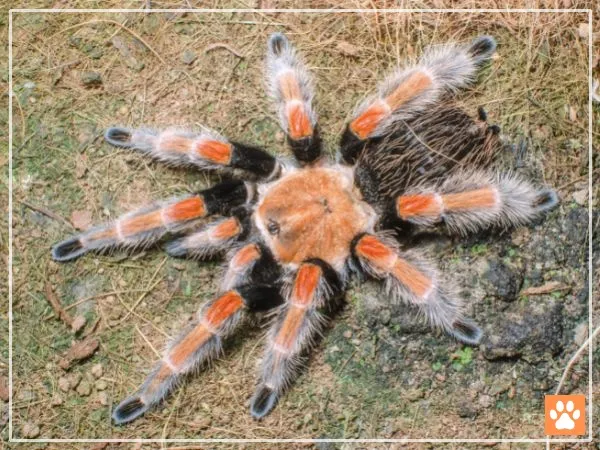
Not all tarantulas are created equal when it comes to being beginner-friendly. Some species are known for their docile temperaments and ease of care, making them ideal for first-time tarantula owners. Choosing the right species is crucial for a positive experience. Consider species like the Chilean Rose Hair tarantula (Grammostola rosea), known for their gentle nature and relatively slow movements. The Mexican Red Knee tarantula (Brachypelma hamorii) is another popular choice, famous for its striking coloration and calm demeanor. Always research the specific needs of any tarantula species you are considering, including their adult size, lifespan, and specific care requirements. This will ensure that you are well-prepared to provide the best possible environment for your new pet.
The Most Beginner-Friendly Tarantulas

Several tarantula species stand out as exceptionally well-suited for beginners. The Chilean Rose Hair is a classic for a reason – their docile nature and hardiness make them a great starting point. Mexican Red Knees are another excellent choice, known for their striking appearance and relatively calm temperament. These species are typically less prone to defensive behaviors like biting or kicking hairs. Before making a purchase, it’s important to research the specific needs of each species, as care requirements can vary slightly. Factors to consider include appropriate enclosure size, substrate preferences, and humidity levels. Additionally, familiarize yourself with their dietary needs, including the size and frequency of feeding insects, to ensure your tarantula thrives in its new home.
Housing Your New Tarantula
Creating the right habitat is essential for a healthy and happy tarantula. A well-designed enclosure provides a secure and comfortable environment, allowing your pet to thrive. The enclosure should be escape-proof, with a secure lid and no gaps large enough for the tarantula to squeeze through. Ventilation is another crucial aspect, as it helps regulate humidity and prevent mold growth. The size of the enclosure should be appropriate for the size of the tarantula, providing enough space for movement and burrowing. The enclosure should also be easy to clean and maintain. Regularly removing any uneaten food and waste is essential for preventing the buildup of harmful bacteria and maintaining a healthy environment.
Choosing the Right Enclosure
Selecting the right enclosure size is crucial for your tarantula’s well-being. The enclosure should be large enough to allow for natural behaviors like burrowing or web-spinning, but not so large that the tarantula feels exposed and stressed. Generally, a terrestrial tarantula (one that lives on the ground) should have an enclosure that is wider than it is tall. For smaller tarantulas, a plastic container with a secure lid and ventilation holes can be a good option. As the tarantula grows, you’ll need to upgrade to a larger enclosure. Consider the adult size of the species when making your selection to ensure the enclosure will be suitable throughout its lifespan. Always prioritize secure lids and escape-proof designs.
Substrate Selection

The substrate is the bedding material in your tarantula’s enclosure, and it serves several important functions. It provides a comfortable surface for the tarantula to walk on, burrow in, and potentially create a burrow or web. The substrate also helps to regulate humidity and absorb waste. A good substrate should retain moisture without becoming overly soggy, and it should be safe and non-toxic. Popular substrate options include a mix of coconut fiber, peat moss, and vermiculite. The specific substrate blend can be adjusted to suit the needs of your tarantula’s species. Avoid substrates that can harbor mites or other parasites. Replacing the substrate regularly helps maintain a clean and healthy environment.
Maintaining Temperature and Humidity
Temperature and humidity are critical factors in maintaining a healthy environment for your tarantula. Most tarantulas thrive in temperatures between 75-85°F (24-29°C). You can maintain this temperature using a heat mat or a heat lamp, but it is crucial to avoid overheating the enclosure. Monitor the temperature with a reliable thermometer placed inside the enclosure. Humidity levels should be monitored and maintained based on the species’ needs. Many tarantulas prefer humidity levels between 60-70%. You can increase humidity by misting the enclosure with water, especially in drier environments. Proper ventilation helps regulate humidity and prevents the buildup of condensation. Regularly check and adjust temperature and humidity levels to ensure your tarantula remains comfortable and healthy.
Feeding Your Tarantula
Feeding your tarantula is a straightforward process, but it’s important to understand their dietary needs. Tarantulas are primarily insectivores, meaning they eat insects. The size of the prey should be appropriate for the size of the tarantula; generally, the prey should be no larger than the tarantula’s abdomen. Common food sources include crickets, mealworms, roaches, and other commercially available insects. Ensure the insects you feed are healthy and free from pesticides. You can also provide a small water dish with fresh water to help keep your tarantula hydrated. Always remove any uneaten food after a day or two to prevent mold and mites.
What Do Tarantulas Eat

Tarantulas are carnivores and primarily consume insects in the wild and captivity. Crickets are a staple food for many tarantula keepers, readily available and easy to care for. Mealworms are another convenient option, especially for smaller tarantulas or those that prefer a less active prey. Roaches, such as Dubia roaches, are also a nutritious choice and can be readily bred. The diet should be varied to ensure your tarantula receives a wide range of nutrients. Occasionally, you can supplement their diet with other insects, such as silkworms or hornworms, to provide additional variety and enrichment. Avoid feeding your tarantula any wild-caught insects, as they may carry parasites or diseases.
Feeding Frequency
The feeding frequency depends on the tarantula’s age, size, and species. Spiderlings, or young tarantulas, typically need to be fed more frequently, often several times a week. As they grow older, the feeding frequency can be reduced. Adult tarantulas may only need to be fed once or twice a week. It’s crucial to observe your tarantula’s behavior and adjust the feeding schedule accordingly. A tarantula that is always hungry and actively seeking food may need to be fed more often. Avoid overfeeding, as it can lead to health problems. Offer an appropriate-sized meal and remove any uneaten prey after a day or two. Be mindful of the tarantula’s molting cycle; during the molting process, they will not eat, and you should avoid offering food.
Handling and Safety
While tarantulas are not generally aggressive, it is important to approach handling with caution and respect. Tarantulas can bite if they feel threatened, and their bites can be painful. The venom of most tarantulas is not considered medically significant to humans, but it can still cause localized pain, swelling, and itching. Many experienced tarantula keepers choose not to handle their tarantulas at all. When handling is necessary, always do so with extreme care and awareness of the tarantula’s body language. Be gentle and avoid sudden movements. Wash your hands thoroughly before and after handling, and never force a tarantula to be handled.
Why Handling Isn’t Always Necessary

For many tarantula owners, handling isn’t essential for a fulfilling pet ownership experience. These fascinating creatures can be enjoyed through observation, providing a window into their unique world. Observing their behaviors, such as burrowing, web-spinning, and feeding, can be incredibly rewarding. Handling can also stress the tarantula, potentially leading to defensive behaviors. Many tarantulas are content living undisturbed in their enclosures. Prioritizing the tarantula’s well-being and providing a comfortable and enriching habitat is often more important than the desire to handle them. This approach allows you to appreciate these creatures on their terms, fostering a deeper understanding and respect for their natural instincts.
Preventing Bites
If you choose to handle your tarantula, take precautions to minimize the risk of bites. Always approach the tarantula calmly and slowly. Avoid sudden movements or loud noises, as these can startle the spider. Never handle a tarantula if it appears agitated or defensive, such as raising its front legs or displaying its fangs. If the tarantula does bite, stay calm and gently remove it. Wash the bite area with soap and water. Although tarantula venom is generally not considered dangerous to humans, monitor the bite site for any signs of infection. Always prioritize the well-being of both yourself and your pet by exercising caution and respect.
Where to Buy Tarantulas
Finding a reputable source for your tarantula is crucial. There are several options available, each with its own advantages and disadvantages. Local pet stores may carry tarantulas, but their selection may be limited, and the staff’s knowledge and experience can vary. Online retailers offer a wider variety of species and may provide more information about the tarantulas they sell. Reptile shows are another excellent way to find tarantulas, allowing you to meet breeders and see the spiders in person. Researching potential sources and verifying their reputation is essential to ensure you purchase a healthy tarantula from a responsible seller. Look for sources that provide information about the tarantula’s origin, age, and care requirements.
Finding Reputable Breeders

Choosing a reputable breeder is key to obtaining a healthy and well-cared-for tarantula. Reputable breeders prioritize the health and well-being of their spiders. They will be knowledgeable about the species they sell and will be able to answer your questions about care and husbandry. Look for breeders with a good reputation and positive reviews from other buyers. They should be able to provide information about the spider’s origin, including the lineage and any relevant breeding history. A reputable breeder will also provide support after the sale, offering guidance and assistance as you care for your new tarantula. Be wary of breeders who appear to be selling tarantulas without proper care or information. It’s best to avoid buying from sources that seem untrustworthy or lack experience.
What to Look For
When choosing a tarantula, there are several factors to consider to ensure you are getting a healthy and well-adjusted specimen. Examine the tarantula’s physical condition. Look for a spider with a plump abdomen, which indicates that it is well-fed. Avoid spiders that appear thin or emaciated. Check for any signs of illness or injury, such as missing limbs or unusual growths. Observe the tarantula’s behavior. A healthy tarantula should be alert and active. Avoid spiders that appear lethargic or unresponsive. Ask the seller about the tarantula’s feeding habits, molting history, and temperament. A reputable seller will be transparent and willing to provide this information. This information will provide you with the necessary details needed to provide the best possible care for your new tarantula.