What Makes a Tarantula Beginner-Friendly
Embarking on the journey of tarantula ownership can be an incredibly rewarding experience. However, not all tarantulas are created equal when it comes to their suitability for beginners. Several factors contribute to making a tarantula beginner-friendly, and understanding these is crucial for a successful and enjoyable experience. The ideal beginner tarantula typically possesses a combination of characteristics that minimize potential challenges and maximize the likelihood of a positive experience for the new owner. This includes temperament, size, venom potency, and the ease of care requirements. Selecting a species that aligns with these factors can greatly enhance the overall experience, making it a more manageable and less stressful endeavor for both the owner and the tarantula itself.
Size and Temperament
Size and temperament are paramount considerations. Smaller, more docile species are often preferred for beginners. Their smaller size makes them less intimidating, and their calmer demeanor reduces the risk of defensive behaviors like biting or flicking urticating hairs. Docile tarantulas are less likely to bolt or exhibit erratic movements, making them easier to handle (if the owner chooses to do so) and observe. In contrast, larger and more defensive species can be overwhelming for beginners, especially if they are not prepared for the spider’s potential responses to perceived threats. Choosing a tarantula known for its gentle nature allows the beginner to become accustomed to the care and behavior of these fascinating creatures without unnecessary stress or risk.
Handling

While handling is not a necessity for tarantula care, some beginners may be tempted to interact physically with their pet. However, it’s essential to approach this with caution. Beginner-friendly tarantulas should ideally be those that tolerate gentle handling without excessive stress or aggression. Species that are known to be more likely to flee or bite when handled should be avoided by beginners. It is crucial to emphasize that handling is always at the owner’s discretion and that prioritizing the tarantula’s well-being is paramount. Beginners should familiarize themselves with the tarantula’s behavior patterns and body language to gauge its comfort level during any interaction. Many experienced keepers recommend against handling tarantulas altogether, as it can be stressful for the spider and increase the risk of accidental injury or escape.
Venom Potency
Tarantula venom, while not typically life-threatening to humans, can still cause varying degrees of discomfort. The venom potency of different tarantula species can vary significantly. Beginner-friendly species often have a less potent venom, reducing the severity of symptoms if a bite occurs. This ensures that any potential reaction is minimal, reducing the risk of complications. While it is essential to recognize that all tarantulas are venomous, the level of potency is an important factor in determining a species’ suitability for beginners. The focus should be on species with a less potent venom and calmer temperaments. However, safety precautions, such as avoiding handling and being mindful of the tarantula’s behavior, are paramount regardless of venom potency.
The Top 15 Tarantula Species for Beginners
Choosing the right tarantula is the cornerstone of a successful beginner experience. Here’s a curated list of 15 tarantula species that are often recommended for those starting their journey into the world of tarantula keeping. These species are selected based on their manageable size, docile temperament, and relatively straightforward care requirements, offering new keepers a less intimidating and more rewarding introduction to these fascinating creatures.
1. Chilean Rose Hair Tarantula

The Chilean Rose Hair (Grammostola rosea) is arguably the quintessential beginner tarantula. Renowned for its docile temperament and relatively slow movements, it is an excellent choice for those new to the hobby. They are typically quite hardy and tolerant of a range of conditions, making them forgiving of minor care mistakes. Their relatively small size and gentle nature make them less intimidating, and they are generally not prone to biting or exhibiting defensive behaviors unless provoked. These tarantulas are also readily available and reasonably priced, making them accessible for beginners.
2. Pinktoe Tarantula
Pinktoe tarantulas (Avicularia avicularia) are arboreal species, known for their striking appearance and docile temperament. They are a bit more active than some other beginner species, which can make them interesting to observe. They have a beautiful appearance, with a dark body and pink or red toe pads. Their care requirements are manageable, and they thrive in a humid environment. While they might be faster than terrestrial species, they are generally not aggressive. They are more likely to run away than to bite. Their overall manageable care needs make them good pets for new keepers.
3. Curly Hair Tarantula
The Curly Hair Tarantula (Tliltocatl albopilosus) is another excellent choice for beginners. This species is known for its calm disposition and the unique, curly hairs that give it its name. They are relatively easy to care for and adapt well to various environmental conditions. Their docile nature and slow movements make them less intimidating, and they are typically not prone to biting. The Curly Hair Tarantula’s resilience and tolerance for slight variations in care make it a forgiving option, perfect for those learning the ropes of tarantula keeping.
4. Mexican Red Knee Tarantula

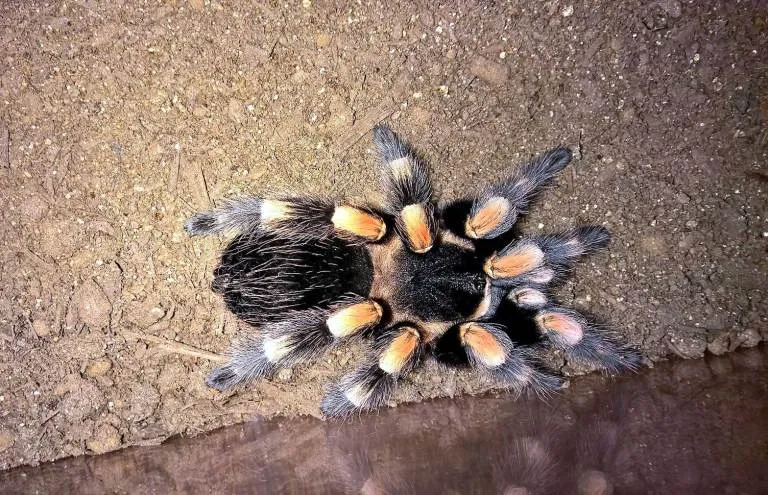
Mexican Red Knee Tarantulas (Brachypelma hamorii) are a classic choice for beginner keepers. While they can be slightly more skittish than some other beginner species, their striking appearance and generally docile nature make them appealing. They are known for their beautiful orange and black markings, and their care requirements are relatively straightforward. They prefer a terrestrial setup with moderate humidity and are generally not aggressive unless provoked. They can live for many years. They are popular and well-known species in the tarantula-keeping hobby.
5. Mexican Redleg Tarantula
Similar to the Red Knee, the Mexican Redleg (Brachypelma emilia) is another visually stunning and relatively docile species that’s a great option for beginners. Their care is similar to that of the Red Knee, with a focus on providing a suitable terrestrial environment with moderate humidity. They are typically calmer and less defensive than some other species, making them easier to handle (if desired) and observe. Their vibrant coloration and manageable temperament make them an attractive and rewarding choice for new keepers.
6. Costa Rican Zebra Tarantula
The Costa Rican Zebra Tarantula (Aphonopelma seemanni) is a terrestrial species known for its striking striped legs and relatively docile nature. They are generally not aggressive and are more likely to try to escape than to bite. Their care requirements are similar to other terrestrial species, with a focus on providing a secure enclosure with appropriate substrate and hiding places. Their active nature makes them interesting to observe, and their manageable temperament makes them a good choice for beginners looking for a visually appealing and relatively easy-to-care-for tarantula.
7. Trinidad Olive Tarantula

Trinidad Olive Tarantulas (Holothele incei) are a smaller species known for their beautiful coloration and docile temperament. They are a great choice for beginners. They are also fast growers. Their smaller size makes them less intimidating, and their calm disposition makes them a joy to observe. They are typically not aggressive, and their care requirements are relatively straightforward. These tarantulas are also great for those looking for a tarantula that is a bit more of an active hunter.
8. Brazilian Black Tarantula
The Brazilian Black Tarantula (Grammostola pulchra) is a stunning species with a solid black coloration. They are known for their docile temperament and are relatively easy to care for. They are a good choice for beginners. Their calm nature and slow movements make them less intimidating, and they are typically not prone to biting. These tarantulas are also long-lived and can make for a great pet if cared for properly. Their easy care requirements and striking appearance make them an excellent choice for those starting in the hobby.
9. Avicularia species
This group is generally known for being beginner-friendly, with species like the Pinktoe Tarantula discussed earlier. They are arboreal species. They have manageable temperaments, and their beautiful appearance makes them desirable. These tarantulas do require high humidity and the right enclosure for success. This can take a bit more expertise to master.
10. Cobalt Blue Tarantula

This tarantula (Cyriopagopus lividus) is often recommended as an option for intermediate keepers. They have a beautiful cobalt blue coloration and can be very active. Cobalt Blue Tarantulas are known for being skittish and can be very quick to bite if they feel threatened. The venom potency is not very strong. These spiders have a fast growth rate. These are great for those who have a bit of experience.
11. Gooty Sapphire Ornamental
The Gooty Sapphire Ornamental (Poecilotheria metallica) is a beautiful spider with striking colors. While this tarantula is often recommended for intermediate keepers, they can also be a good choice for beginners, with proper care. These are more high-strung than others on this list. They are also venomous, but with the right care, they can make great pets. They are arboreal. It is important to research their unique care needs to ensure their health and well-being.
12. Green Bottle Blue
Green Bottle Blue Tarantulas (Chromatopelma cyaneopubescens) are known for their bright coloration and are relatively easy to care for. They are not considered very docile. These spiders are terrestrial and can be aggressive. With the proper care, they can live for a long time. They are known to be somewhat defensive, so handling should be avoided unless experienced.
13. Antilles Pink Belly Tarantula

The Antilles Pink Belly Tarantula (Caribena versicolor) is a beautiful arboreal species. They are also known for their docile nature. They are often recommended for beginner keepers. These spiders do well in humid environments and are known to be colorful. Their unique care needs make them a good option for those who want to learn more about arboreal tarantulas.
14. Chaco Golden Knee Tarantula
The Chaco Golden Knee Tarantula (Grammostola pulchra) is a beautiful tarantula with golden knee joints. They are known for being docile and friendly. They are very popular and will often eat right out of your hand. This species is easy to care for and is suitable for beginners with a good enclosure. They are also hardy and very calm, which makes them a good choice for new keepers.
15. Texas Tan Tarantula
The Texas Tan Tarantula (Aphonopelma anax) is a terrestrial species. They are known for being docile. They are a good choice for beginner tarantula keepers. They have a calm disposition and are easy to care for. They will do well in a simple enclosure with the right substrate. They are also non-defensive, which makes them a great species to start with. These species are also available and affordable.
Essential Beginner Tarantula Care Tips
Proper care is essential for the health and well-being of any tarantula, especially for beginners. Creating the right environment will help a tarantula thrive. This includes factors like enclosure setup, substrate, temperature, humidity, feeding, and watering. By understanding these fundamentals, beginners can create a comfortable habitat for their tarantulas, increasing their chances of success in the hobby. These tips will help beginners understand the basic requirements for tarantula care.
Enclosure Setup
Selecting the right enclosure is the first step in providing a suitable habitat. The enclosure should be appropriately sized for the tarantula’s species and size, with enough space for the tarantula to move around. A secure lid is essential to prevent escapes. The enclosure should also provide adequate ventilation. The type of enclosure will depend on the species. Terrestrial species need a wider tank. Arboreal species need a taller tank. A good setup will replicate the natural environment of the tarantula as much as possible. The enclosure should be easy to clean and maintain, and it should provide hiding places for the tarantula, such as a hide or a piece of cork bark, to reduce stress and provide a sense of security. The enclosure should also have substrate, water, and ventilation.
Substrate
The substrate is the material that covers the bottom of the enclosure, and it serves several purposes, including absorbing waste, maintaining humidity, and providing a surface for the tarantula to walk on. The substrate is vital for the overall comfort and health of the tarantula. A good substrate should be able to hold moisture while also allowing for adequate drainage. Popular substrate choices include coconut fiber, peat moss, and a mix of vermiculite and soil. The depth of the substrate should be appropriate for the species. The substrate should be replaced regularly to maintain cleanliness and prevent the buildup of bacteria and mold. Ensure that the substrate is free of any harmful chemicals or pesticides.
Temperature and Humidity
Temperature and humidity are key environmental factors that must be carefully controlled to ensure the tarantula’s well-being. Most tarantulas thrive in temperatures ranging from 75 to 85 degrees Fahrenheit (24 to 29 degrees Celsius). The specific temperature requirements may vary depending on the species. It’s important to research the temperature needs of the particular tarantula species. Humidity levels also need to be maintained within a certain range, depending on the species. Terrestrial species generally require lower humidity levels, while arboreal species need higher levels. This can be achieved by misting the enclosure with water or providing a water dish. The use of a hygrometer is highly recommended to monitor humidity levels. It is important to avoid extreme temperature fluctuations, as this can be stressful for the tarantula.
Feeding
Feeding is a critical aspect of tarantula care. Tarantulas are carnivores and primarily eat insects, such as crickets, mealworms, and roaches. The frequency of feeding depends on the tarantula’s age and size. Younger tarantulas need to be fed more frequently than adults. It is essential to provide appropriately sized prey, and the prey should be gut-loaded before being fed to the tarantula. This will provide essential nutrients. Remove any uneaten prey within 24 hours to prevent them from stressing the tarantula or potentially harming it. Ensure that the tarantula has access to fresh water at all times. It is crucial to avoid overfeeding, as this can lead to obesity and other health problems.
Watering
Providing fresh water is essential for the tarantula’s health and hydration. A shallow water dish should be placed in the enclosure, allowing the tarantula to drink easily. The water should be changed regularly to prevent contamination. The frequency of watering depends on the species and the humidity level of the enclosure. In addition to a water dish, some keepers also mist the enclosure to increase humidity. Ensure that the water source is clean and free of any chemicals or additives that could be harmful to the tarantula. Monitoring the water levels will ensure the tarantula stays healthy and hydrated.
Tarantula Health & Common Issues
Tarantulas, like any pet, can experience health issues, and it’s important for beginner keepers to be aware of the common problems they might encounter. By recognizing potential health issues early on and understanding the basic causes and remedies, beginners can take proactive steps to prevent and address problems. Proper care is crucial for maintaining a healthy tarantula.
Molting
Molting is a natural process in which tarantulas shed their exoskeleton to grow. This process can be stressful for the tarantula, so it is important to provide a stress-free environment during molting. Signs that a tarantula is preparing to molt include loss of appetite, lethargy, and a change in coloration. During molting, the tarantula will typically lie on its back. It is essential not to disturb the tarantula during molting, and it is important to maintain the appropriate temperature and humidity levels. After molting, the tarantula’s new exoskeleton will be soft, and it will take a few days to harden. The tarantula’s appetite will return. The molt should be removed after the exoskeleton has hardened.
Parasites and Mites
Tarantulas can be susceptible to parasites and mites, which can cause health problems. The most common parasites include mites, which can infest the tarantula’s body and enclosure. Regular inspection of the tarantula and its enclosure is essential to detect any signs of infestation. If mites are present, the enclosure will need to be thoroughly cleaned. Mites can be removed by removing the tarantula from the enclosure. The enclosure should be cleaned with hot water and soap. All of the substrate will need to be removed and replaced. Proper care and cleanliness of the enclosure can help prevent parasite infestations. It is important to consult with a veterinarian or an experienced tarantula keeper for guidance on treating parasites and mites.
Conclusion
Embarking on the journey of tarantula ownership can be a rewarding experience, offering a unique opportunity to observe and appreciate the fascinating lives of these remarkable creatures. By selecting a beginner-friendly species, understanding the essential care requirements, and prioritizing the tarantula’s well-being, new keepers can significantly increase their chances of success and enjoyment in this hobby. The top 15 tarantula species listed provide a great starting point for anyone interested in this unique hobby. Always research the specific species you choose and provide the best possible environment. With the right information, dedication, and care, beginners can establish a fulfilling relationship with these captivating arachnids.