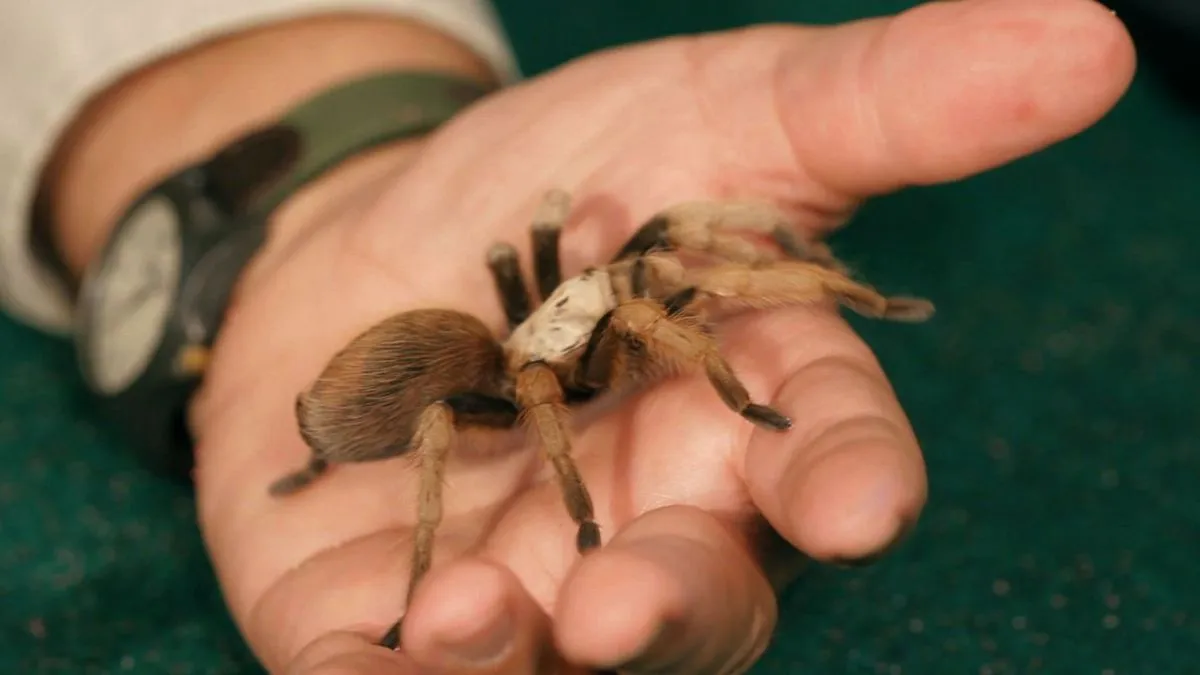
Choosing the Best Beginner Tarantula
Embarking on the journey of tarantula ownership can be incredibly rewarding. These fascinating creatures offer a unique perspective on the animal kingdom. However, choosing the right tarantula is crucial for a positive experience, especially for beginners. Several factors contribute to a tarantula’s suitability for novice keepers, including their temperament, size, growth rate, and ease of care. This guide will explore these aspects to help you make an informed decision and select a tarantula that will thrive in your care. Understanding these factors is the first step towards ensuring a healthy and enjoyable experience with your new pet. It is also important to research thoroughly before acquiring a tarantula to understand their specific needs and ensure you can provide the right environment. This preparation sets the stage for a successful tarantula-keeping journey, allowing you to appreciate these amazing animals fully.
What Makes a Tarantula Beginner-Friendly
When selecting a beginner tarantula, consider characteristics that simplify care and minimize potential challenges. Beginner-friendly tarantulas typically exhibit docile temperaments, making them easier to handle and less likely to bite. They should also have relatively slow growth rates, which reduces the frequency of required enclosure changes and feeding adjustments. Furthermore, the ease of care is a key factor. Look for species that tolerate a wider range of environmental conditions, such as humidity and temperature, and have straightforward dietary needs. Species that do not require complex setups and are less prone to stress are ideal choices. Prioritizing these features will make your initial experience less stressful and more enjoyable, allowing you to focus on learning about your tarantula. Moreover, the choice of a beginner species provides a strong foundation, and experience gained can be applied when considering more challenging species in the future.
Temperament and Handling

Temperament is a critical factor for beginners. Docile tarantulas are less likely to bite or exhibit defensive behaviors when disturbed. While handling is generally discouraged (due to potential risks to the tarantula), a calmer species offers peace of mind during enclosure maintenance or emergencies. Research the species’ reputation regarding temperament; some are known for being more skittish or defensive than others. Consider species that are known to be relatively calm and tolerant of disturbances. It’s also important to remember that tarantula behavior can vary between individuals, and even the most docile species can display defensive behaviors when stressed. Handling should always be approached with caution. Start by observing your tarantula to understand its personality and comfort level before attempting any interaction.
Size and Growth Rate
The size and growth rate of a tarantula significantly impact its care requirements. Smaller species are generally easier to manage, requiring less space and smaller food portions. Slow-growing tarantulas necessitate fewer enclosure upgrades, simplifying long-term care. Faster-growing species demand more frequent feeding and molting, which can increase the workload for beginners. Choose a species with a moderate growth rate to strike a balance between exciting development and manageable upkeep. It is vital to provide an appropriate enclosure size from the beginning to allow for future growth and development. Ensure the enclosure is escape-proof to provide a safe environment for both the tarantula and your home. Understanding the growth rate will also help you anticipate and prepare for molting, a crucial process in the tarantula’s life cycle.
Ease of Care
Ease of care includes a combination of factors, such as the tarantula’s environmental needs (temperature, humidity), dietary preferences, and general health requirements. Species that are adaptable to a range of environmental conditions and have simple dietary needs are usually the best choices for beginners. Look for species that are not overly sensitive to changes in humidity or temperature and are readily available to the right diet of readily available prey. Research the specific requirements of each species you are considering. A straightforward maintenance routine and readily available information about care will greatly enhance your experience. This allows for a more predictable and less stressful experience. It’s also beneficial to select a species that is known to be resilient to common health issues.
Top 5 Beginner Tarantulas That Are Easy To Care For

Based on the criteria above, here are five of the best beginner tarantulas, known for their docile temperaments, manageable care requirements, and relatively easy maintenance. These tarantulas provide a great starting point for those new to the hobby, allowing you to enjoy the fascinating world of tarantulas. Each species offers a unique experience. They are all relatively easy to care for, making them excellent choices. Remember to research each species’ specific needs, but these selections are generally considered to be good choices.
The Chilean Rose Hair Tarantula
The Chilean Rose Hair (Grammostola rosea) is a classic beginner tarantula. These tarantulas are known for their docile nature and relatively slow growth rate. They are also quite hardy, tolerating a range of environmental conditions. Chilean Rose Hairs are generally calm and less likely to bite, though they may flick urticating hairs as a defense mechanism. They are also readily available in the pet trade. Their ease of care makes them an excellent choice for first-time tarantula keepers. These tarantulas also have a long lifespan, providing many years of enjoyment. The calm nature and manageable size of the Chilean Rose Hair, make it a fantastic choice for beginners.
Care Requirements
Chilean Rose Hair tarantulas need a terrestrial setup with a substrate of coconut fiber or peat moss. Provide a shallow water dish and maintain a humidity level of 60-70%. The temperature should be kept between 75-85°F. They primarily eat insects, such as crickets and mealworms, fed a couple of times a week. The enclosure should have adequate ventilation and provide a hiding place. Regular spot cleaning and occasional full substrate changes will keep the enclosure clean and suitable. The Chilean Rose Hair tarantula’s care is simple, but consistent, making it an easy pet to own. Ensuring these aspects of the environment and the feeding is consistent will ensure the tarantula thrives.
The Desert Blonde Tarantula

The Desert Blonde (Aphonopelma chalcodes) is another excellent choice for beginners. These tarantulas are native to the southwestern United States. They are known for their docile temperament and relatively low maintenance requirements. The Desert Blonde tends to be calm and can tolerate a dry environment. This species’ calm nature and ability to handle various conditions make it an appealing choice for those just starting out in the tarantula hobby. While it might take more time to see them, they are great for beginners. They tend to stay within their enclosure for the most part.
Care Requirements
The Desert Blonde tarantula requires a terrestrial setup with a substrate that includes a mix of coco fiber and sand. It needs a shallow water dish and a humidity level of around 50-60%. Temperature should be maintained between 75-85°F. These tarantulas are primarily insectivores, feeding on crickets, mealworms, and similar prey items. Spot clean the enclosure regularly and change the substrate when needed. A hide or burrow is essential for security. Proper ventilation prevents mold and enhances the environment. Providing for these tarantulas’ needs will keep them healthy and comfortable. They are relatively low-maintenance pets.
The Mexican Red Knee Tarantula
The Mexican Red Knee (Brachypelma hamorii) is one of the most popular tarantulas in the pet trade. They are admired for their beautiful coloration and generally docile temperaments. Their striking appearance combined with a relatively laid-back nature makes them a favorite among both beginners and experienced keepers. Although they may flick urticating hairs when threatened, they rarely bite. The Mexican Red Knee is also known for its longevity, which makes them a rewarding pet for years to come. They are also known to be very calm, overall.
Care Requirements

The Mexican Red Knee thrives in a terrestrial setup with a substrate of coconut fiber or peat moss. Maintain a humidity level of 60-70% and a temperature range of 75-85°F. Provide a water dish and a hide for security. Feed them a diet of crickets, mealworms, and other insects a few times a week. Enclosure maintenance involves spot cleaning and periodic substrate changes. The proper care ensures that the Mexican Red Knee will thrive and have a long, healthy life. Consistent care is crucial for these tarantulas. They require routine maintenance.
The Curly Hair Tarantula
The Curly Hair (Tliltocatl albopilosus) is known for its distinctive appearance and relatively calm demeanor. They are a good choice for beginners because they tolerate a wide range of conditions and are generally easy to handle. Their tolerance for different environments and their docile nature makes them a favorite. Their fluffy appearance and relatively small size make them a very popular pet. Their unique appearance also sets them apart from other species. They also tend to be pretty active.
Care Requirements
The Curly Hair Tarantula requires a terrestrial setup with a substrate of coconut fiber or a mix of peat moss. They need a shallow water dish and a humidity level of 65-75%. They are generally adaptable to a temperature range of 75-85°F. Their diet consists of insects, which should be fed a couple of times a week. They are relatively low-maintenance. Spot clean the enclosure regularly and provide a hide for security. The simplicity of their care makes them ideal for beginners. Providing proper water and a safe environment is necessary for their health.
The Pinktoe Tarantula

The Pinktoe Tarantula (Avicularia avicularia) offers a unique look and care experience compared to many terrestrial species. They are arboreal, meaning they prefer to live in trees or other elevated spaces. They are very active and generally less skittish. Their vibrant coloration and unique arboreal nature make them an attractive option for beginners who want something different. It’s also important to research their care requirements to be able to provide proper care.
Care Requirements
Pinktoe Tarantulas need an arboreal setup, including branches and plants to climb on. A humidity level of 70-80% is essential. Provide a shallow water dish. The temperature should be maintained between 75-80°F. Feed them insects a couple of times a week. Because of their arboreal nature, they need space to climb. Regular misting of the enclosure will maintain the proper humidity levels. Providing the right environment will ensure they are healthy. They are also a great pet for beginners and offer a unique experience.
Essential Equipment For Beginner Tarantulas
Setting up a proper habitat is vital for the health and well-being of your beginner tarantula. The right equipment ensures the necessary environmental conditions and provides the tarantula with a comfortable and safe space. This also makes it easy to care for the animal. Investing in the right tools will make the experience more enjoyable for you. The setup varies depending on the species, but some items are essential. Preparing the correct setup is important for the animal to thrive.
The Enclosure

The enclosure is the most important piece of equipment. The size depends on the species and the size of your tarantula. It needs to be escape-proof, well-ventilated, and made of a material that allows you to see inside. Glass or clear plastic terrariums are popular choices. A secure lid is a must to prevent escape. For terrestrial species, a horizontal tank is appropriate, and for arboreal species, a taller vertical enclosure is better. The proper size ensures that the tarantula feels safe and has room to move around. Make sure to research the right size enclosure for your tarantula.
Substrate
The substrate is the bedding material at the bottom of the enclosure. It serves several purposes, including providing a surface for the tarantula to walk on, helping to maintain humidity, and providing a place for the tarantula to burrow or hide. Coconut fiber, peat moss, and a mix of soil are good options. The type of substrate needed depends on the species. Ensure the substrate is clean, non-toxic, and free of pesticides or chemicals. Deep enough substrate is required for burrowing species. A good substrate is also an important element for maintaining the humidity of the enclosure. Provide your tarantula with a safe and comfortable environment.
Water and Humidity
Providing fresh water and maintaining appropriate humidity levels are critical. A shallow water dish is essential for the tarantula to drink from. Refill it regularly with clean water. Humidity levels depend on the species. Use a hygrometer to monitor the humidity levels. Mist the enclosure as needed to maintain the appropriate humidity. Excessive humidity can lead to mold, so it is essential to monitor and adjust the humidity levels. A water dish is a must for any pet. This is one of the easiest things to provide and ensures that the tarantula stays hydrated. Make sure to always have access to fresh water.
Feeding Your Beginner Tarantula

Proper feeding is crucial for the health and growth of your tarantula. Feeding habits and the type of food required depend on the species and the size of the tarantula. Providing the right diet and feeding schedule will make your pet thrive. Overfeeding can be detrimental to your tarantula. Avoid this by following the feeding schedule provided for each species. A balanced diet is essential for the development of the tarantula, and a proper feeding schedule must be followed for them to stay healthy.
Type of Food
Tarantulas are primarily insectivores, meaning they feed on insects. The most common food items include crickets, mealworms, and roaches. The size of the prey should be appropriate for the size of the tarantula. Avoid feeding insects that are too large. You can also provide pre-killed insects to reduce the risk of injury to the tarantula. The food must be gut-loaded to ensure the tarantula gets the proper nutrients. A varied diet can also be provided to ensure the tarantula is getting all of the needed nutrients. They are quite simple pets to feed, but providing a well-balanced diet is important.
Feeding Schedule
The feeding schedule depends on the tarantula’s age and growth rate. Young tarantulas, or spiderlings, should be fed more often, usually two to three times a week. Adult tarantulas can be fed once a week or even less frequently. Monitor your tarantula’s abdomen; if it appears plump, it may not need to be fed as often. Always remove any uneaten food within 24 hours to prevent mold. Avoid overfeeding. It is very important to maintain the proper feeding schedule for each species. Make sure you are feeding the right amount for your pet.
Common Beginner Tarantula Mistakes To Avoid
Avoiding common mistakes will help ensure a successful and enjoyable tarantula-keeping experience. Many issues beginners face can be avoided by proper research and consistent care. These mistakes can often lead to stress, health problems, or even the death of the tarantula. By understanding these pitfalls and taking preventative measures, you can provide your tarantula with the best possible care. Paying attention to your tarantula’s needs and observing its behavior are key to preventing any issues from occurring. The common mistakes are also related to care and feeding, so always do your research to ensure the animal is in good condition.
Overfeeding
Overfeeding is a common mistake that can lead to health problems, such as obesity. Tarantulas do not need to eat frequently. Adult tarantulas can survive long periods without food. Overfeeding can lead to molting issues and a shortened lifespan. Monitor the size of the tarantula’s abdomen, and adjust the feeding schedule accordingly. A plump abdomen means the tarantula is well-fed. Always remove any uneaten food within 24 hours. Always follow the feeding guidelines to avoid this issue.
Incorrect Humidity
Maintaining the correct humidity levels is crucial for tarantula health. Too little humidity can cause molting problems, while too much can lead to mold and bacterial growth. The humidity requirements vary based on the species. Use a hygrometer to monitor the humidity levels. Mist the enclosure as needed to maintain the correct humidity. Provide adequate ventilation to prevent the build-up of excessive moisture. Ensure the humidity is adequate for the tarantula to thrive. Monitoring the humidity is an important part of the care to ensure a safe and healthy environment.
Lack of Enrichment
While tarantulas may not need a lot of space, providing enrichment can enhance their well-being. Adding a hide, such as a piece of cork bark, or a few fake plants can give the tarantula a place to hide and feel secure. For arboreal species, branches and climbing structures are essential. Enriching the environment can reduce stress and encourage natural behaviors. Providing a good environment is a great way to keep the tarantula feeling safe. Adding a hiding place can also improve the health of the pet.
In conclusion, choosing the best beginner tarantula involves careful consideration of several factors, including temperament, size, growth rate, and ease of care. Species like the Chilean Rose Hair, Desert Blonde, Mexican Red Knee, Curly Hair, and Pinktoe Tarantulas are excellent choices for those new to the hobby. By providing the correct enclosure, substrate, and maintaining the right humidity and temperature, you can create a thriving environment for your tarantula. Always remember to avoid common mistakes such as overfeeding, incorrect humidity levels, and a lack of enrichment. With the right preparation and care, owning a tarantula can be a rewarding and fascinating experience, opening up a unique window into the world of arachnids. Remember that research, consistency, and attention to detail are key to success. Following this guide ensures a healthy, happy, and fulfilling experience for you and your new pet.