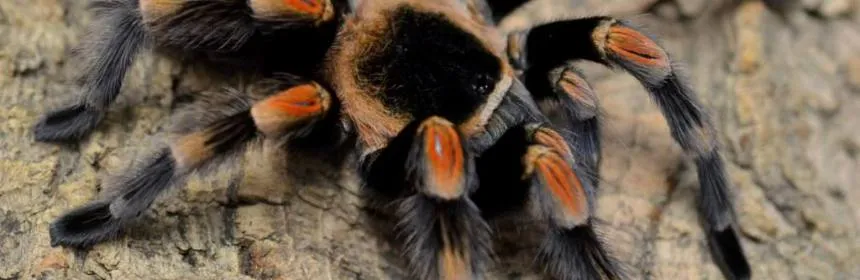
What is a Mexican Red Knee Tarantula (MRKT)
The Mexican Red Knee Tarantula (Brachypelma hamorii), often abbreviated as MRKT, is one of the most popular tarantulas kept as pets. Known for their striking appearance and relatively docile temperament, these spiders are a favorite among beginners. Native to the Pacific coast of Mexico, they are relatively hardy and can thrive in a controlled environment. This guide provides essential information for those new to MRKT care, ensuring a healthy and enjoyable experience.
Appearance and Characteristics
The MRKT is famous for its striking coloration. They have a dark body, with distinct red-orange markings on their leg joints, particularly the “knees”. This vibrant color contrast makes them visually appealing and contributes to their popularity. Their carapace (the top of their body) is typically a dark brown. They possess urticating hairs on their abdomen, which they can flick off as a defense mechanism. These hairs can cause skin irritation if they come into contact with human skin.
Size and Lifespan

MRKTs are a medium-sized tarantula species. Females can grow up to 5-6 inches in leg span, while males tend to be slightly smaller. Their lifespan is another appealing factor for potential owners; females can live for 20-25 years or more, offering a long-term companion. Males, however, have a shorter lifespan, typically living for 5-10 years, as they mature faster.
Ideal Enclosure Setup
Creating the right environment is crucial for the well-being of your MRKT. The enclosure setup needs to mimic their natural habitat. Proper housing ensures your tarantula feels safe and secure, which is essential for its health and longevity. It’s important to provide adequate space and maintain the correct conditions to encourage natural behaviors, like burrowing and hunting.
Enclosure Size and Type
A secure and appropriately sized enclosure is vital. A 10-gallon tank is usually sufficient for juveniles, while a 20-gallon long tank is generally suitable for adult MRKTs. The enclosure should have a secure lid to prevent escapes and be well-ventilated to maintain air quality. Glass or acrylic enclosures are both suitable, but make sure the enclosure is escape-proof.
Substrate Selection

The substrate is the bedding material for your tarantula’s enclosure, and it is very important. A good substrate should hold moisture, allow the tarantula to burrow, and be non-toxic. A mixture of coco coir, peat moss, and a small amount of vermiculite is a great choice. Provide at least 4-6 inches of substrate to allow for burrowing. Avoid substrates like cedar or pine, as the oils in these can be harmful to your tarantula.
Temperature and Humidity
Maintaining the correct temperature and humidity levels is crucial for the tarantula’s health. The ideal temperature range is between 75-85°F (24-29°C). You can use a heat mat or a low-wattage bulb to maintain the temperature, but avoid placing the heat source directly under the enclosure as this can overheat the substrate. Humidity should be kept at around 60-70%. Regular misting of the enclosure, usually once or twice a week, or providing a water dish can help achieve this. Monitor with a hygrometer for accuracy.
Feeding Your MRKT
Feeding your MRKT is a key aspect of their care. Providing the right diet and ensuring proper hydration are essential for their growth and overall health. MRKTs are opportunistic feeders and will eat a variety of insects. Understanding their dietary needs and feeding habits will help you keep your tarantula happy and healthy.
Diet and Feeding Frequency

MRKTs primarily eat insects. Good choices include crickets, mealworms, roaches, and occasionally, small pre-killed pinky mice. Feed juvenile tarantulas 2-3 times a week. Adults can be fed once a week or every other week, depending on their size and appetite. Remove any uneaten food within 24 hours to prevent mold and mites.
Watering and Hydration
Providing fresh water is vital for hydration. Always have a shallow water dish available in the enclosure. Make sure it is shallow enough that the tarantula can easily access the water without risk of drowning. Change the water every few days to keep it fresh and clean. Misting the enclosure lightly can also provide additional hydration, especially during molting.
Handling and Safety
While MRKTs are relatively docile, handling them requires caution and knowledge. Their urticating hairs and the potential for bites mean that careful consideration should always be taken. It’s important to prioritize the safety and well-being of both you and the tarantula.
Tarantula Temperament

MRKTs are known for being one of the more calm and manageable tarantula species. They are less likely to bite than some other species and generally prefer to retreat when threatened. However, their temperament can vary from individual to individual, and it’s important to observe your tarantula’s behavior and body language. They may flick hairs in defense, so be aware of this.
Handling Precautions
Handling your MRKT is generally not recommended, especially for beginners. If you choose to handle your tarantula, do so cautiously and slowly, and never force it to move. Handle them close to the ground or a soft surface to prevent injury from a fall. Wash your hands thoroughly before and after handling, and avoid contact with the urticating hairs to prevent skin irritation. Always supervise children.
Common Health Concerns
Like any pet, MRKTs can experience health issues. Recognizing common health problems and understanding the molting process can help you provide better care and ensure your tarantula’s longevity. Regular observation and preventative care are key to keeping your tarantula healthy.
Moulting Process

Moulting is the process where tarantulas shed their exoskeleton to grow. Before molting, the tarantula will often become lethargic and may refuse food. They might also flip onto their back. Do not disturb your tarantula during molting. Provide plenty of water and keep the enclosure at the correct temperature and humidity. After molting, the tarantula will be very soft and vulnerable; do not feed them for about a week until their fangs have hardened.
Signs of Illness
Be aware of the signs of illness in your MRKT. These can include loss of appetite, lethargy, unusual posture, or any change in behavior. Also, look for signs of parasites, such as mites. If you suspect your tarantula is ill, consult an experienced tarantula keeper or a veterinarian familiar with exotic pets. Early detection is critical for successful treatment and recovery.
Conclusion
Keeping a Mexican Red Knee Tarantula can be a rewarding experience for beginner tarantula enthusiasts. By understanding their basic needs, providing the right environment, and practicing safe handling, you can enjoy a long and fulfilling relationship with this fascinating species. Always remember to research thoroughly and be prepared to provide the care necessary for your MRKT to thrive. Enjoy the journey!