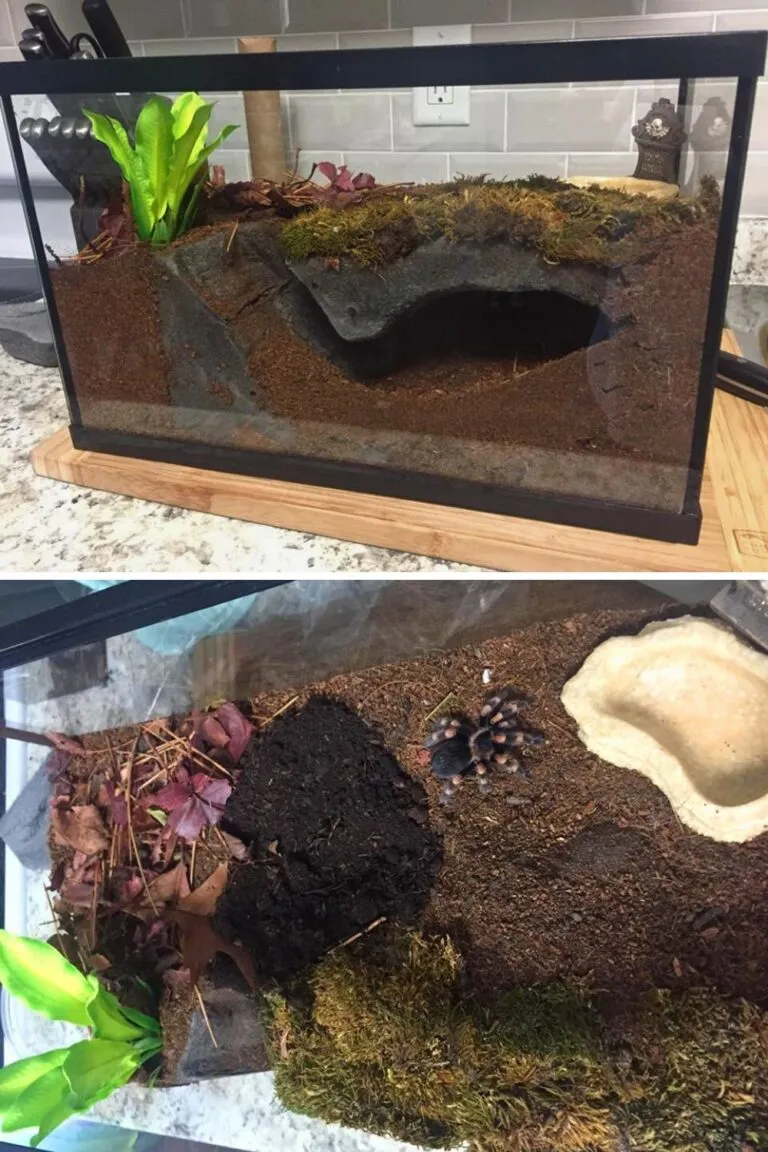
What is a Tarantula Enclosure?
A tarantula enclosure is essentially the tarantula’s home, designed to replicate its natural environment. It’s more than just a container; it’s a carefully constructed habitat that caters to the spider’s specific needs, including temperature, humidity, ventilation, and space. The right enclosure promotes the tarantula’s health and well-being, allowing it to thrive and exhibit its natural behaviors. Considerations include the size of the enclosure, the type of substrate used, the presence of hiding places, and the availability of fresh water. Different species of tarantulas may require different setups, so understanding the specific requirements of your tarantula is crucial.
Why is the Enclosure Important?
The tarantula enclosure is vitally important for several reasons, primarily centered around the health and survival of your pet. Firstly, the enclosure controls environmental conditions. Tarantulas are ectothermic, meaning they rely on external sources to regulate their body temperature. The enclosure allows you to control the temperature and humidity levels, essential for the spider’s metabolism, molting process, and overall health. Secondly, the right enclosure provides a safe and secure environment, shielding the tarantula from potential dangers and stresses. A well-designed enclosure also facilitates natural behaviors, like burrowing, web-spinning, and hunting, contributing to the tarantula’s psychological well-being and minimizing stress. Lastly, a well-maintained enclosure is easier to clean, reducing the risk of disease and ensuring a healthy environment for both the tarantula and the keeper.
Choosing the Best Tarantula Enclosure [Top 5]

Selecting the best tarantula enclosure involves considering factors like size, material, and accessibility. There are several excellent options available, each with its own advantages. Here are 5 of the best options. It’s important to choose the enclosure based on the specific needs of your tarantula species. Always prioritize the spider’s well-being and safety when making your choice, ensuring the enclosure provides a comfortable and enriching environment.
Glass Terrariums
Glass terrariums are a popular choice due to their transparency, allowing for excellent viewing of your tarantula. They are usually easy to clean, as the glass is non-porous, making it resistant to bacteria and odors. Glass also retains heat well, which can be an advantage in cooler environments. However, glass enclosures can be heavier than other materials, and they may require careful handling to avoid breakage. They are generally suitable for a wide range of tarantula species, providing a secure and aesthetically pleasing habitat. Make sure the lid is secure to prevent escapes and provide adequate ventilation.
Acrylic Enclosures
Acrylic enclosures are another excellent option, offering several advantages over glass. Acrylic is lighter, making it easier to handle and move. It is also more impact-resistant than glass, reducing the risk of accidental breakage. Acrylic provides excellent clarity, allowing for clear viewing of your tarantula. Acrylic is also an effective insulator, helping to maintain stable temperatures within the enclosure. However, acrylic can scratch more easily than glass, so careful handling is needed to prevent damage. They are generally a great choice for various tarantula species.
Plastic Storage Containers

Plastic storage containers are a budget-friendly option that can be easily modified for tarantula housing. These containers are typically lightweight and readily available, making them a convenient choice. They offer good ventilation potential when modified with air holes or mesh tops. Plastic containers are generally easy to clean, and their non-porous surfaces prevent the absorption of odors and bacteria. However, it is essential to ensure the plastic is non-toxic and safe for your tarantula. The transparency may not be as high as glass or acrylic, and they might lack the aesthetic appeal of purpose-built terrariums. Ventilation is a crucial consideration when using plastic containers, and the lid must be secure to prevent escapes.
Specialized Tarantula Enclosures
Specialized tarantula enclosures are designed specifically for the needs of tarantulas, often incorporating features like secure lids, ventilation systems, and optimal viewing panels. These enclosures are usually made from materials like glass, acrylic, or durable plastic. They are often pre-equipped with features like feeding holes and substrate retention ledges, making them convenient for tarantula keepers. Specialized enclosures are available in various sizes and styles, catering to the specific needs of different tarantula species. While often more expensive than DIY options, they offer a premium solution for providing a safe and aesthetically pleasing habitat.
DIY Enclosures
DIY enclosures allow keepers to build a custom habitat, using materials like glass, wood, or acrylic. Building your own enclosure can be a cost-effective option, providing the opportunity to tailor the habitat to the specific needs of your tarantula. However, building a safe and secure enclosure requires careful planning, attention to detail, and appropriate materials. Ventilation, secure lids, and non-toxic materials are critical aspects. When creating a DIY enclosure, it is essential to research the specific requirements of your tarantula species and to prioritize safety and functionality above all else.
Enclosure Size Guidelines

The size of the tarantula enclosure is a crucial factor, directly influencing the spider’s well-being and behavior. The enclosure should be large enough to allow the tarantula to move freely, establish a territory, and engage in natural behaviors. A general guideline is to provide an enclosure that is at least three times the tarantula’s leg span in width, length, and height. However, this is just a starting point; specific size recommendations vary depending on the species. For arboreal species, height is more important, while terrestrial species benefit from more floor space. Avoid enclosures that are too large, especially for smaller spiders, as they may struggle to find food and feel secure. Proper enclosure size helps minimize stress and promotes a healthy environment for the tarantula. Too small an enclosure may lead to poor molts, decreased appetite, and reduced activity.
Ventilation Requirements
Proper ventilation is a critical aspect of a tarantula enclosure, essential for maintaining air quality, regulating humidity, and preventing the buildup of harmful bacteria and mold. Good ventilation helps to remove stale air, reduce odors, and provide fresh oxygen. The amount of ventilation required depends on the tarantula species and the humidity levels needed for its specific needs. Ventilation is usually achieved through a combination of air holes, mesh tops, and cross-ventilation, ensuring a constant flow of air. Avoid creating drafts, and ensure the ventilation system does not allow the escape of feeder insects. A well-ventilated enclosure promotes a healthy environment, reduces the risk of respiratory issues, and supports the overall health of the tarantula.
Substrate Selection Guide
The substrate is the bedding material at the bottom of the tarantula enclosure, serving multiple purposes, including providing a comfortable surface, retaining humidity, and allowing the tarantula to burrow. There are several types of substrates available, each with its own advantages and disadvantages. Popular choices include coconut fiber (coco coir), peat moss, vermiculite, and potting soil. Coco coir is a popular choice due to its excellent moisture retention, natural properties, and ease of use. Peat moss is another option, providing good moisture retention and creating a naturalistic environment. Vermiculite is often used to increase humidity and is sometimes mixed with other substrates. When choosing a substrate, consider the tarantula species’ needs, the desired humidity level, and the ease of maintenance. The substrate should be non-toxic, free of pesticides, and replaced regularly to maintain a healthy environment.
Humidity Management Techniques

Humidity is a critical environmental factor for tarantulas, playing a vital role in their health, molting process, and overall well-being. The specific humidity requirements vary depending on the tarantula species. Tropical species generally require higher humidity levels, while arid species thrive in drier environments. Several techniques can be used to manage humidity within the enclosure, including misting, providing a water dish, and regulating ventilation. Misting the enclosure with dechlorinated water, usually every few days or as needed, helps to increase humidity. A water dish with fresh water is essential for hydration and helps to raise humidity levels through evaporation. The type of substrate also influences humidity; substrates like coco coir retain moisture better than others. Monitoring humidity levels using a hygrometer and adjusting these techniques is key to maintaining the proper environment for your tarantula.
Temperature Control
Temperature control is a crucial aspect of tarantula care, as these creatures are ectothermic and rely on external heat sources to regulate their body temperature. The ideal temperature range varies depending on the tarantula species, but most do well in temperatures between 70°F and 85°F (21°C and 29°C). Several methods can be used to control temperature, including the use of heat mats, ceramic heat emitters, and controlling the ambient room temperature. Heat mats are commonly used and placed on the side or back of the enclosure to provide gentle, consistent heat. Ceramic heat emitters provide radiant heat and are suitable for larger enclosures, but should be used with a thermostat to prevent overheating. It is vital to monitor the temperature using a thermometer and to avoid placing heat sources directly under the enclosure, which could dry out the substrate and potentially harm the tarantula. Always ensure there is a temperature gradient within the enclosure so the tarantula can move to areas of varying warmth.
Essential Enclosure Decor
Enclosure decor is more than just aesthetics; it enhances the tarantula’s well-being by providing enrichment, hiding places, and opportunities to express natural behaviors. The type of decor needed depends on the species of tarantula and its natural habitat. Essential elements include hiding places, such as cork bark, artificial plants, or hollow logs, where the tarantula can retreat to feel secure. Plants, whether live or artificial, add humidity, visual appeal, and provide climbing opportunities for arboreal species. Substrate, chosen based on the species’ needs, allows for burrowing and contributes to a naturalistic environment. Ensure all decor is non-toxic, free of sharp edges, and does not obstruct the tarantula’s movement. The presence of decor reduces stress, encourages natural behaviors, and makes the enclosure a more enriching environment.
Water Source

Providing a clean water source is essential for tarantulas, allowing them to hydrate and regulate their body functions. The most common method is to provide a shallow water dish, sized appropriately for the tarantula. The water dish should be easily accessible and shallow enough to prevent drowning. Water should be changed regularly, typically every 1-2 days, to prevent bacterial growth and maintain water quality. For smaller tarantulas, a bottle cap filled with water can be used. Water crystals can also be an alternative for providing moisture. Ensure the water dish is placed in a stable location and does not tip over. Always use dechlorinated water to avoid introducing harmful chemicals to the enclosure. Regular access to fresh water supports the tarantula’s overall health and is crucial for survival.
Hiding Places
Hiding places are a fundamental element of a tarantula enclosure, providing a sense of security, reducing stress, and allowing the spider to retreat when it feels threatened. Tarantulas are naturally shy creatures, and a secure hiding spot is crucial for their psychological well-being. Suitable hiding places include cork bark, hollow logs, artificial caves, and even appropriately sized flower pots. The hiding place should be large enough for the tarantula to fully retreat inside but not so large that it feels exposed. Ensure the hiding place is stable and cannot collapse, and that it is positioned in a way that allows the tarantula to easily access it. The availability of hiding places contributes significantly to the tarantula’s sense of safety, promoting its health and reducing the likelihood of stress-related issues.
Feeding and Maintenance Tips
Proper feeding and maintenance are essential for the health and well-being of your tarantula. The frequency of feeding varies depending on the tarantula’s age, size, and species. Younger tarantulas and actively growing spiders typically require more frequent feedings, while adult tarantulas can be fed less often. Feed your tarantula appropriately sized insects, such as crickets, mealworms, or roaches. Remove any uneaten food within 24 hours to prevent the growth of mold or mites. Regularly clean the enclosure, removing uneaten food, shed exoskeletons, and any other debris. Monitor the substrate for signs of mold or mites, and replace it as needed. Make sure to provide fresh water at all times. By following these simple guidelines, you can keep your tarantula safe, healthy, and happy.
Cleaning the Enclosure

Regular cleaning of the tarantula enclosure is essential for maintaining a healthy environment, preventing the buildup of bacteria and mold, and supporting the overall well-being of your pet. The frequency of cleaning depends on the size of the enclosure, the tarantula species, and the rate at which the enclosure becomes soiled. Spot cleaning should be performed regularly, removing uneaten food, shed exoskeletons, and any other visible debris. A full enclosure cleaning, including replacing the substrate and cleaning the enclosure walls, should be performed as needed, usually every few months. Use a mild disinfectant, like a diluted solution of bleach or a pet-safe cleaner, to clean the enclosure. Always rinse the enclosure thoroughly after cleaning, and ensure it is completely dry before re-introducing the tarantula. Regularly cleaning the enclosure helps to minimize disease and provides a healthier living space for your tarantula.
Frequently Asked Questions
How Often to Clean the Enclosure?
The frequency of cleaning the tarantula enclosure depends on a variety of factors, including the size of the enclosure, the tarantula species, and the individual habits of the spider. Spot cleaning should be performed regularly, ideally weekly, to remove uneaten food, shed exoskeletons, and any other visible debris. Full enclosure cleanings, including replacing the substrate and cleaning the enclosure walls, can be done every few months, depending on how quickly the enclosure accumulates waste. Monitoring the enclosure for signs of mold, mites, or excessive waste buildup is essential to determine the appropriate cleaning schedule. Cleaning the enclosure regularly maintains a healthy environment, preventing the buildup of bacteria and ensuring the well-being of the tarantula.