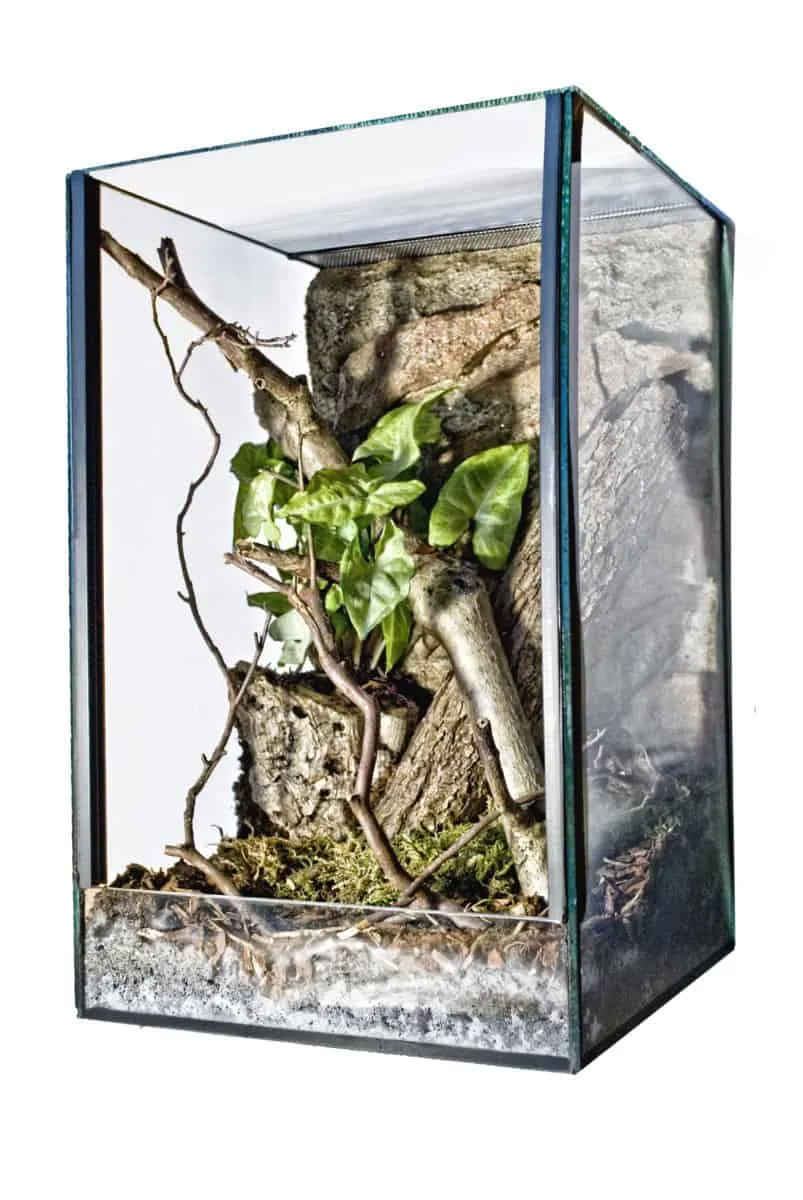
Best Tarantula Enclosures Ever? Top 5 Worldwide
Choosing the right enclosure is arguably the most critical decision you’ll make for your tarantula’s well-being. A well-designed habitat provides security, promotes natural behaviors, and significantly impacts your pet’s health and longevity. This guide delves into the best tarantula enclosures around the world, focusing on the key features, designs, and maintenance tips to help you create a thriving environment for your eight-legged friend.
Why Enclosure Matters for Tarantulas
The enclosure serves as the tarantula’s entire world, directly influencing its physical and psychological health. An unsuitable enclosure can lead to stress, poor molting, and even premature death. Factors like size, ventilation, and substrate all play vital roles. A cramped space can restrict movement and inhibit natural behaviors, while poor ventilation can lead to mold and respiratory issues. Substrate, the material at the bottom of the enclosure, must maintain the correct humidity levels and provide a suitable environment for burrowing or hiding, depending on the tarantula’s species.
Size and Shape Considerations

The enclosure’s dimensions are crucial. It should be large enough for the tarantula to move freely but not so large that the tarantula feels exposed and stressed. The general rule of thumb is to provide a space that is at least two to three times the tarantula’s leg span in width. The height is also critical; arboreal species, which live in trees, need taller enclosures to allow for climbing, while terrestrial species, which live on the ground, prefer more floor space. The shape, whether rectangular, square, or custom, also influences the tarantula’s movement and behavior, so consider the species’ natural habits.
Ventilation Essentials
Proper ventilation is vital to prevent the buildup of harmful gases, mold, and bacteria within the enclosure. This is achieved through strategically placed air holes or mesh panels, which allow for air circulation while preventing escape. The amount of ventilation needed varies depending on the species and the humidity requirements. High humidity species benefit from more airflow, while very dry species may need less to prevent excessive drying. Always observe the enclosure for condensation, as it can indicate inadequate ventilation.
Substrate Selection
The substrate is the material that lines the bottom of the enclosure, serving multiple purposes, including moisture retention, burrowing support, and providing a natural environment. The choice of substrate depends on the tarantula species’ requirements. Common options include coconut fiber (eco-earth), peat moss, vermiculite, and a combination of these. The substrate should be deep enough for burrowing species to dig tunnels and molting, and it must be kept at the correct humidity level for the species. Regular monitoring and replacement of the substrate are essential to maintain a healthy environment.
Top 5 Tarantula Enclosures Worldwide

Based on design, functionality, and overall suitability for tarantulas, here are five of the best enclosures available globally. These enclosures are popular among tarantula keepers and provide excellent habitats. They are generally available through specialist reptile stores and online retailers that ship internationally.
Enclosure 1 Characteristics
This enclosure is a clear, acrylic terrarium with excellent visibility and ventilation. It typically features a front-opening door for easy access and a secure locking mechanism to prevent escapes. The design includes multiple ventilation slots and a raised bottom to prevent moisture buildup. The clarity of the acrylic allows for unobstructed viewing of the tarantula, and the durable material ensures longevity.
Enclosure 2 Characteristics
This enclosure is a glass terrarium known for its elegant design and excellent humidity control. It often comes with a screen top for ventilation and a front-opening door. Many models have a built-in drainage system, which simplifies maintenance. The glass construction allows for optimal temperature and humidity retention, making it suitable for a variety of tarantula species. It often includes pre-drilled holes for accessories.
Enclosure 3 Characteristics
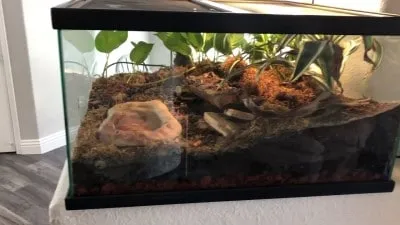
This enclosure is designed for arboreal tarantulas. It is taller than it is wide, providing ample vertical space for climbing and web-spinning. It often features a secure, hinged door with a magnetic closure. It incorporates a mesh top and side ventilation to maintain airflow. Some models include pre-installed backgrounds and climbing structures to enhance the tarantula’s environment.
Enclosure 4 Characteristics
This enclosure is constructed using durable plastic, offering lightweight and portability. It often includes a clear front for viewing and a secure lid with integrated ventilation. The plastic material makes it easy to clean and maintain, while the design is often stackable, which helps save space. These enclosures are well-suited for a range of tarantula species due to their versatility.
Enclosure 5 Characteristics
This enclosure is a custom-built design, often made from wood and glass or acrylic, offering a unique aesthetic and features. The custom nature of this enclosure means that you are able to tailor its dimensions and characteristics to the specific needs of the tarantula. It can include features like built-in lighting, custom ventilation, and decorative backgrounds. They are typically designed for a more naturalistic environment.
Essential Features to Look For

Ease of Access and Maintenance
The enclosure should be designed to make it easy to access your tarantula for feeding, cleaning, and general observation. Front-opening doors or sliding lids are preferable as they allow for easier handling. The design should also allow for the simple removal of substrate and decorations for cleaning. Look for features such as removable trays or easily accessible ventilation panels to streamline maintenance.
Aesthetics and Viewing
The enclosure should provide a clear view of your tarantula. Clear glass or acrylic panels are essential for observation. The design should allow you to see the tarantula from multiple angles. However, avoid enclosures that reflect light excessively or cause glare, as this can stress the tarantula. Consider the overall aesthetic of the enclosure and how it complements your home décor.
Material Durability and Safety

The enclosure material must be durable and safe for both the tarantula and the keeper. Glass and acrylic are excellent choices due to their clarity and resistance to wear. Ensure that the enclosure has secure closures to prevent escapes. Avoid materials that could be toxic if ingested or that could harbor bacteria. The chosen material also needs to be easy to clean and disinfect.
Tips for Maintaining Your Tarantula Enclosure
Cleaning and Hygiene
Regular cleaning is crucial to maintain a healthy environment for your tarantula. Spot-clean the enclosure as needed, removing any uneaten food, feces, or shed exoskeletons. Replace the substrate regularly, typically every few months, depending on the type of substrate and the species’ needs. Use a reptile-safe disinfectant to clean the enclosure thoroughly during substrate changes. Avoid harsh chemicals, which can harm your tarantula.
Humidity and Temperature Control

Monitoring and controlling humidity and temperature are vital. Use a hygrometer to measure humidity levels and adjust ventilation or misting as needed to maintain the correct humidity range. Use a thermometer to monitor the enclosure’s temperature, ensuring it is within the optimal range for your tarantula species. Use a heat source if required, and always provide a temperature gradient within the enclosure.
Providing Enrichment
Enrichment is about creating a stimulating environment that mimics the tarantula’s natural habitat and encourages natural behaviors. This could involve providing hides such as cork bark or artificial plants. Add substrate layers for digging, or incorporate climbing structures for arboreal species. Providing enrichment helps to reduce stress and keeps your tarantula active and engaged. Consider creating a varied terrain with different textures and levels.
In conclusion, selecting the right enclosure and maintaining it properly is essential for the health and well-being of your tarantula. Consider the factors discussed in this guide and choose an enclosure that suits your tarantula’s species, size, and natural habits. By following these guidelines, you can create a thriving and enjoyable habitat for your eight-legged pet. Remember, a happy tarantula is a healthy tarantula.