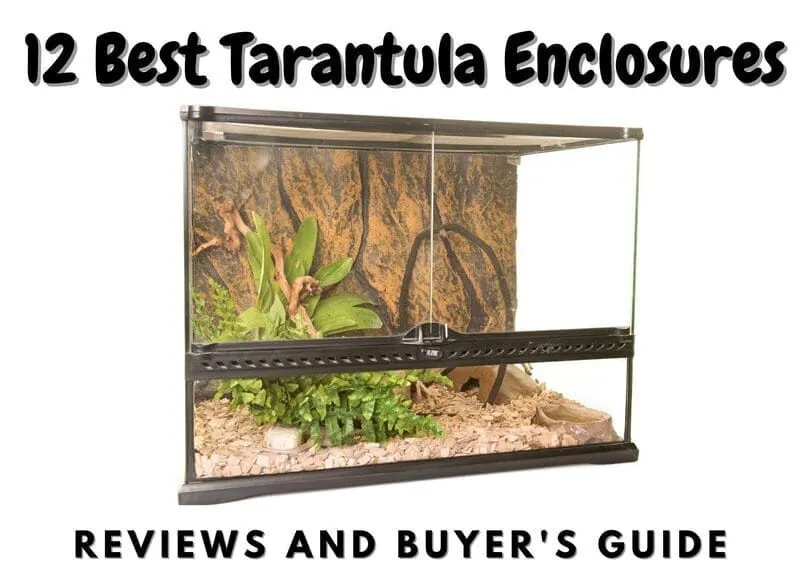
Choosing the Best Tarantula Enclosure
Selecting the right enclosure is crucial for the health and well-being of your tarantula. A suitable habitat provides security, regulates temperature and humidity, and allows for natural behaviors like burrowing or climbing. With a variety of options available, understanding the key factors that contribute to a great enclosure is vital. This guide will help you navigate the choices, ensuring your eight-legged friend has a safe, comfortable, and enriching home. From material selection to essential features, we’ll cover everything you need to know to make an informed decision and create the perfect environment for your pet tarantula. The ideal enclosure fosters a stress-free life, promoting healthy growth and allowing you to observe your fascinating pet.
Tarantula Species and Enclosure Needs
The specific needs of your tarantula depend largely on its species. Terrestrial and arboreal tarantulas, for instance, have distinct requirements. Terrestrial tarantulas are ground-dwelling, needing more floor space, while arboreal species prefer height for climbing. Understanding these differences is essential for providing a habitat that allows your tarantula to thrive. Additionally, factors like the species’ size and natural habitat influence enclosure size, substrate type, and the need for specific decorations. Researching your tarantula’s species beforehand will provide you with the necessary knowledge to design a suitable enclosure. This ensures the enclosure accommodates their natural behaviors and supports their overall well-being.
Terrestrial Tarantulas

Terrestrial tarantulas, which live on the ground, require enclosures that prioritize floor space over height. These species, often burrowing or spending their time on the ground, need enough space to move around and construct burrows. Substrate depth is a key consideration; it needs to be sufficient for the tarantula to burrow effectively. Secure hiding places, such as cork bark or artificial hides, are also crucial for terrestrial species, allowing them to feel safe and retreat when needed. The enclosure should be designed to minimize climbing hazards, ensuring the tarantula’s safety, as falls from heights can be dangerous. Ventilation must also be adequate without drying out the substrate too quickly. Maintaining proper conditions for terrestrial tarantulas ensures they can express natural behaviors and thrive in a captive environment.
Arboreal Tarantulas
Arboreal tarantulas are adapted to live in trees, so their enclosures should provide ample vertical space for climbing. These spiders need branches, cork bark, or other climbing structures to simulate their natural habitat. The enclosure should be taller than it is wide, allowing the tarantula to move vertically. Ventilation is extremely important in arboreal setups, as it helps prevent excessive humidity and promotes airflow. Securely attaching climbing structures is also essential to prevent falls. Arboreal tarantulas often create webs, so provide surfaces for web construction to allow them to express natural behaviors. The vertical orientation enables them to feel secure and move naturally within their environment. Appropriate conditions ensures these tarantulas remain healthy and exhibit their typical behavior.
Considerations When Choosing an Enclosure
Several factors influence the choice of a suitable enclosure for your tarantula. Size, ventilation, and material all play critical roles in creating a safe and comfortable environment. The enclosure should allow for proper temperature and humidity regulation while also providing adequate space for your tarantula to move, feed, and behave naturally. Additionally, consider the ease of cleaning and maintenance, as this will impact your ability to provide a healthy habitat. Proper research into the specific needs of your tarantula’s species is crucial before making a final decision on the enclosure.
Size of the Enclosure

The size of the enclosure is a critical factor, directly impacting your tarantula’s well-being. A too-small enclosure can restrict movement, leading to stress and potentially health problems. A general rule is to provide an enclosure at least twice the tarantula’s leg span in width and length. For terrestrial species, the length and width are more important than height. For arboreal species, height is crucial, allowing for climbing and movement. As your tarantula grows, you will need to upgrade the enclosure. It is important to ensure that your pet has enough space to move around. Oversized enclosures can also pose problems, making it difficult for young tarantulas to find food or feel secure. Proper sizing promotes normal behaviors and healthy development.
Ventilation Requirements
Proper ventilation is essential to prevent the buildup of harmful gases, reduce mold growth, and maintain appropriate humidity levels. Ventilation prevents the enclosure from becoming stagnant, which can lead to respiratory issues for your tarantula. Enclosures should have ventilation holes, ideally placed on the sides and top to ensure good airflow. The amount of ventilation needed depends on the species and the local climate, so monitoring humidity levels is crucial. Excessive ventilation can dry out the enclosure too quickly, while insufficient ventilation can lead to mold and bacterial growth. Finding a balance is key to providing a healthy environment. Regularly check for condensation and adjust ventilation accordingly to maintain ideal conditions.
Material of the Enclosure
The choice of material affects durability, visibility, and ease of maintenance. Each material has advantages and disadvantages. Safety is important when choosing a material. Ensure your enclosure is secure and cannot be easily breached by your tarantula. Consider your budget, ease of access, and the long-term suitability of each option. The material can also impact heat and humidity retention. Select the material that best suits your needs and provides a safe and comfortable environment for your tarantula.
Glass Enclosures

Glass enclosures are a popular choice because they provide excellent visibility and are easy to clean. Glass is non-porous, which prevents the absorption of odors and bacteria. They are also aesthetically pleasing and can fit well into any room. However, glass enclosures can be heavier than other options and are prone to cracking if dropped. Glass also doesn’t insulate as well as other materials, so maintaining temperature and humidity can be more challenging. Ensure the glass is thick enough to withstand any accidental impacts. Glass enclosures provide a clear view of your tarantula and a hygienic habitat if properly maintained.
Acrylic Enclosures
Acrylic enclosures are lightweight, durable, and offer excellent clarity. They are also less prone to cracking than glass and provide better insulation. Acrylic is a great option for maintaining consistent temperatures and humidity levels. However, acrylic enclosures can scratch easily, and some cleaning products can damage the material. While more expensive than some other options, their durability and insulating properties make them a good investment. Their transparency allows for great viewing and allows you to enjoy your pet. Proper care and cleaning will help maintain their appearance and longevity.
Plastic Enclosures
Plastic enclosures, often made from clear plastic tubs or containers, are typically the most affordable option. They are lightweight, easy to clean, and readily available. Plastic enclosures offer good ventilation options. However, plastic can be less aesthetically pleasing and may not offer as good visibility as glass or acrylic. They also might not be as durable and can warp over time. Plastic enclosures are suitable for beginners or those on a budget. Ensure the plastic is non-toxic and that the enclosure is properly ventilated. They provide a practical and economical solution for housing tarantulas.
Essential Features for Tarantula Enclosures

Besides the enclosure itself, certain features are vital for a tarantula’s well-being. Substrate, hiding spots, water dishes, and proper lighting and heating all contribute to creating a suitable habitat. Consider these elements when setting up your tarantula’s home to promote their health and encourage natural behaviors.
Substrate Depth and Type
The substrate serves several important functions, including providing a comfortable surface, helping to regulate humidity, and allowing for burrowing. The type of substrate you choose should depend on your tarantula’s species. For terrestrial species, a deep layer of substrate is essential to allow burrowing. Good options include coco fiber, peat moss, or a mix of both. For arboreal species, a shallower layer is sufficient, with a substrate that holds humidity without becoming soggy. Ensure the substrate is free from harmful chemicals and safe for your tarantula to ingest. Proper substrate selection creates a comfortable and functional environment and encourages your tarantula’s natural behaviors.
Hiding Spots and Decorations
Hiding spots and decorations provide security, reduce stress, and enrich the environment. Tarantulas are naturally secretive and need places to retreat and feel safe. Provide hides that mimic their natural environment, such as cork bark, hollow logs, or artificial hides. Ensure the hides are appropriately sized for your tarantula and do not have any sharp edges. Decorations can also add visual interest to the enclosure. Live or artificial plants can enhance the aesthetic appeal. However, ensure all decorations are non-toxic and do not pose any hazards. Providing appropriate hiding spots is essential for the well-being of your pet tarantula.
Water Dish and Humidity Control

A shallow water dish is essential for providing your tarantula with fresh water at all times. The size of the water dish should be appropriate for the size of your tarantula, and the water should be clean and readily accessible. Humidity control is also crucial. The required humidity level varies by species. You can use a hygrometer to monitor humidity and adjust ventilation, substrate moisture, and misting as needed. Maintain proper humidity levels. This ensures your tarantula can thrive in the captive environment. Consistent access to water and humidity regulation are key components of tarantula care.
Lighting and Heating Considerations
Tarantulas do not require special lighting, and bright lights can stress them. If you choose to use lighting, use low-wattage bulbs. Avoid placing the enclosure in direct sunlight, which can overheat it. Heating is sometimes necessary to maintain the appropriate temperature range. The ideal temperature varies by species, so research your tarantula’s specific needs. Use a heat mat or a ceramic heat emitter for temperature regulation. Always monitor the temperature with a thermometer and avoid placing heat sources directly inside the enclosure to prevent burns. Ensure the heat source is properly regulated to create a stable, safe environment. Proper lighting and temperature ensure the health and well-being of your tarantula.
Maintaining Your Tarantula Enclosure
Regular maintenance is crucial for keeping your tarantula’s enclosure clean and providing a healthy environment. This includes cleaning, monitoring humidity and temperature, and making necessary adjustments. Consistent upkeep not only promotes the well-being of your tarantula but also helps you to observe your pet and catch any potential health issues early on.
Cleaning and Maintenance

Regular cleaning is essential for maintaining a healthy habitat. Spot clean the enclosure regularly, removing any uneaten food, dead insects, and other debris. Replace the substrate periodically to prevent the buildup of waste and harmful bacteria. The frequency of substrate replacement depends on the species, the size of the enclosure, and the type of substrate used. It is also important to clean the water dish and any decorations regularly. Always use appropriate cleaning solutions, avoiding harsh chemicals that could harm your tarantula. Routine maintenance ensures the enclosure remains clean and safe. Regular cleaning is a good way to stay on top of issues.
Monitoring Humidity and Temperature
Consistent monitoring of humidity and temperature is essential for your tarantula’s health. Use a hygrometer to monitor humidity and a thermometer to monitor temperature, and record readings to track trends. Adjust ventilation, misting, and heating sources to maintain the correct levels. The specific needs vary by species. Some tarantulas thrive in humid environments, while others prefer drier conditions. Observing the behavior of your tarantula is also important, as it can indicate if the conditions are appropriate. Regular monitoring and adjustment help ensure the enclosure remains in the optimal range. Monitoring humidity and temperature helps you provide a stable environment.
Common Mistakes to Avoid
Avoiding common mistakes can help ensure your tarantula’s well-being. Overcrowding the enclosure, using inappropriate substrate, or failing to maintain proper humidity and temperature can all negatively impact your pet’s health. Providing a water source that is too deep can be a risk. Always research your tarantula’s specific needs to avoid making these common errors. Regular monitoring helps to ensure your tarantula is thriving in its habitat. Always consult with experienced keepers or a veterinarian if you have any concerns about your tarantula’s health or well-being.