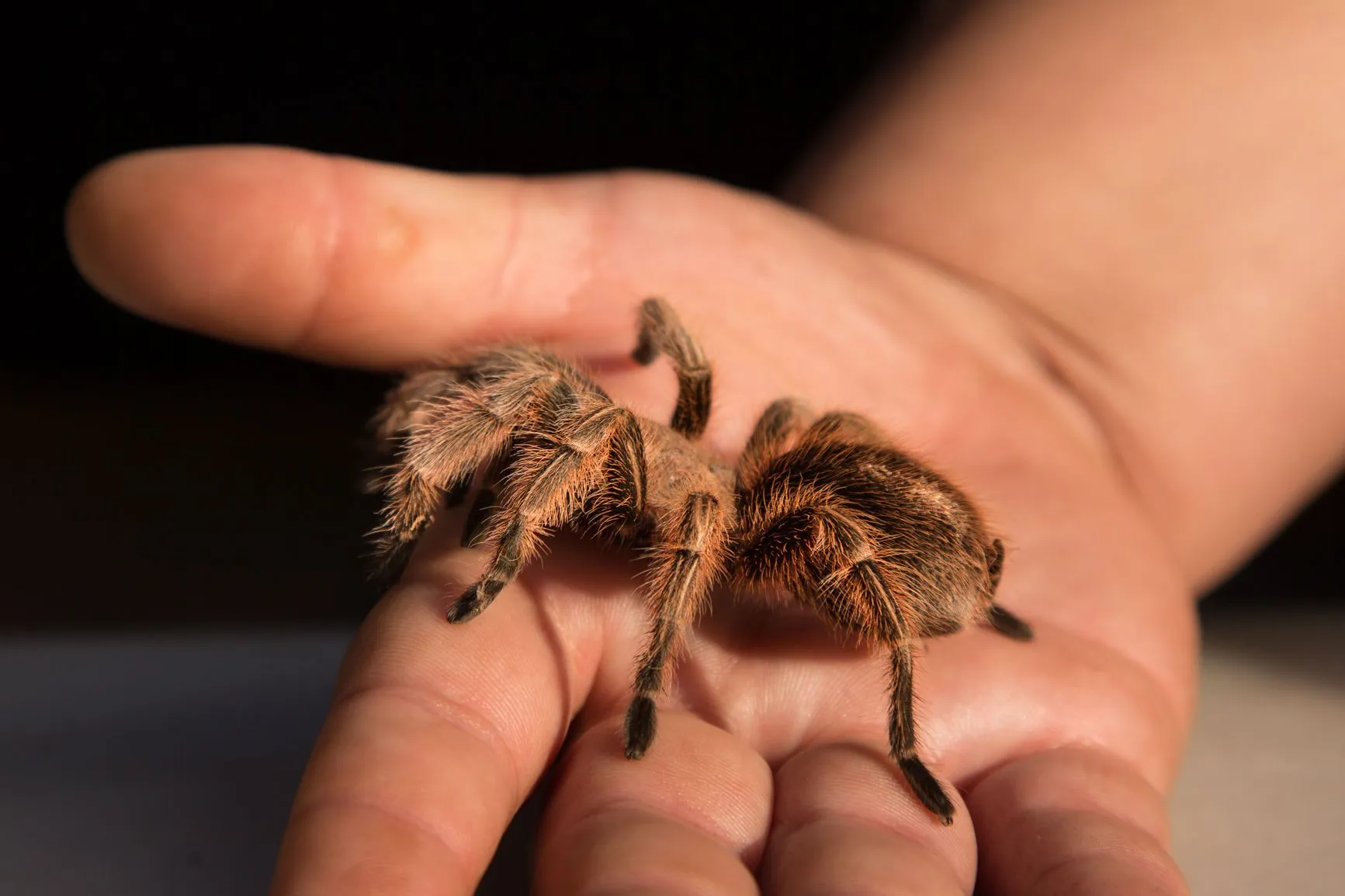
Why Choose a Tarantula as a Pet
Tarantulas have gained popularity as pets due to their intriguing appearance, relatively low maintenance, and the unique experience of owning an exotic creature. These fascinating arachnids offer a captivating glimpse into the world of invertebrates, providing a rewarding experience for those who appreciate observing the natural behaviors of these eight-legged wonders. Owning a tarantula can be a great option for people who may have allergies to other pets or who live in smaller spaces. They are relatively quiet and don’t require the same level of daily attention as a dog or cat. They can also be educational, providing a unique opportunity to learn about different species, their habitats, and their behaviors, fostering a deeper appreciation for the natural world. Choosing the best tarantula to own is the first step.
Top 5 Best Tarantula Species to Own
Selecting the ideal tarantula species depends on various factors, including your experience level, available space, and personal preferences. Some species are known for their docile temperament and ease of care, making them ideal for beginners, while others may be more challenging but offer a stunning display of colors and behaviors. This curated list highlights five exceptional tarantula species that are popular among enthusiasts, offering a variety of options for both novice and experienced keepers. These selections are based on factors like temperament, care requirements, and overall appeal, ensuring you find a captivating and manageable pet that suits your lifestyle and experience level. Let’s dive into the top contenders for the title of best tarantula to own.
The Mexican Red Knee Tarantula

The Mexican Red Knee (Brachypelma hamorii) is a classic choice for tarantula enthusiasts. Their striking appearance, marked by vibrant red-orange bands on their knees and leg joints, makes them an eye-catching addition to any collection. This species is known for its relatively docile temperament, making it a suitable choice for beginners. They are also relatively hardy, tolerating a range of environmental conditions. Their longevity, with females living up to 20 years or more, makes them a long-term companion. They are readily available in the pet trade, and their care requirements are well-documented, providing new owners with ample resources for successful tarantula keeping. This species is a great choice for anyone looking for their first tarantula and is certainly one of the best tarantula to own.
Appearance and Characteristics
Mexican Red Knees are easily recognizable with their contrasting black and red-orange coloration. Their carapace and legs are primarily black, while the joints of their legs feature the distinctive red-orange bands. Mature females can reach a leg span of up to 6 inches, and their bodies are covered in fine hairs. The overall appearance of the Mexican Red Knee is striking, making it a popular choice for display. They exhibit a calm demeanor and are generally not aggressive, though, like all tarantulas, they can bite if provoked. They are terrestrial spiders, spending most of their time on the ground or in burrows. The contrast of colors make them one of the best tarantula to own.
Care and Habitat Requirements
Caring for a Mexican Red Knee involves creating a suitable habitat. A 10-gallon tank is usually sufficient for adults, and the enclosure should be well-ventilated but secure to prevent escapes. The substrate should be several inches deep, consisting of a mixture of substrate like coconut fiber or peat moss to allow for burrowing. Maintaining a temperature range of 75-85°F (24-29°C) is ideal, along with a humidity level of 60-70%. Feeding involves offering appropriately sized insects like crickets, mealworms, or roaches, once or twice a week, depending on the tarantula’s size and appetite. Fresh water should be available in a shallow dish, and handling should be kept to a minimum to avoid stress. These care guidelines help make it one of the best tarantula to own for beginners.
The Chilean Rose Tarantula

The Chilean Rose (Grammostola rosea) is another excellent option for beginner tarantula keepers. They are known for their gentle nature and ease of care, making them a popular choice for those new to the hobby. Chilean Roses are hardy spiders, adaptable to a wide range of conditions, and are relatively inexpensive to purchase. Their calm demeanor and low maintenance make them ideal pets for beginners. These tarantulas often live for many years, providing long-term companionship. This species’ availability and the wealth of information about their care make them an accessible and rewarding choice for aspiring tarantula owners. They are one of the best tarantula to own for the simple care requirements.
Appearance and Characteristics
Chilean Rose tarantulas have a simple, yet elegant appearance. Their coloration ranges from shades of brown to rose, with long hairs covering their bodies and legs. Adult females can reach a leg span of up to 5-6 inches. The spiders have a calm temperament and are less likely to bite compared to some other species, though they can still exhibit defensive behaviors if they feel threatened. They are terrestrial spiders, preferring to spend their time on the ground. Their unassuming appearance and docile nature make them a favorite among keepers. They are well known as being some of the best tarantula to own.
Care and Habitat Requirements
Caring for a Chilean Rose is straightforward. A 10-gallon tank is adequate for adults, with a substrate of coconut fiber, peat moss, or a similar material to a depth of 3-4 inches. A shallow water dish should be provided, and the enclosure should be kept at a temperature between 70-80°F (21-27°C) and a humidity level of 60-70%. They can tolerate a wide range of temperatures and conditions. Feeding typically involves offering insects like crickets or mealworms once or twice a week, depending on the tarantula’s size and appetite. They are not particularly demanding, making them a great choice for those new to tarantula keeping. The simple requirements make them one of the best tarantula to own.
The Gooty Sapphire Ornamental Tarantula

For those seeking a tarantula with a striking appearance, the Gooty Sapphire Ornamental (Poecilotheria metallica) is an excellent choice. Native to India, this species is renowned for its vibrant metallic blue coloration, accented with yellow and black patterns. While their beauty is undeniable, it is important to note that this tarantula is more advanced and requires more experience to handle safely. They have a potent venom and a more defensive temperament, making them a better choice for experienced keepers. Their care requirements also differ from some of the more beginner-friendly species. Despite the challenges, their stunning appearance and the rewarding experience of owning a rare species make them a popular choice among experienced tarantula keepers. They are one of the best tarantula to own if you are experienced.
Appearance and Characteristics
The Gooty Sapphire Ornamental is a truly breathtaking spider. Their bodies and legs display a stunning metallic blue sheen, with yellow markings on the legs and a black pattern on the abdomen. Adult females can reach a leg span of up to 7-8 inches. They are arboreal, meaning they prefer to live in trees. They are fast-moving and can be defensive, with a potent venom, so caution is required when handling and maintaining their enclosure. This species is a visual marvel, making it a prized possession for many enthusiasts. They are a great species, making them the best tarantula to own for experts.
Care and Habitat Requirements
Caring for a Gooty Sapphire Ornamental requires an arboreal enclosure, with vertical space being crucial. A tall terrarium, at least 18x18x24 inches, is recommended for adults. The enclosure should be well-ventilated and include vertical climbing structures, such as cork bark or branches. Maintaining a temperature of 75-85°F (24-29°C) and a humidity level of 70-80% is important. Regular misting is often necessary to achieve the desired humidity. Feeding should consist of appropriately sized insects, like crickets or roaches, 2-3 times a week. Due to their defensive nature, handling should be avoided, and maintenance should be performed with caution. The stunning look of the Gooty Sapphire Ornamental makes them the best tarantula to own.
The Pink Zebra Beauty Tarantula

The Pink Zebra Beauty (Grammostola pulchra) is another fantastic option for tarantula enthusiasts. This terrestrial species is known for its striking appearance and relatively docile temperament. The Pink Zebra Beauty boasts a rich black body with pinkish stripes, which gives the tarantula its name. This tarantula is not as aggressive as some of the other species and is relatively easy to care for, making it an excellent choice for beginners and experienced keepers. They are often a little shy, making them one of the best tarantula to own, and a good option for those who are not looking for a pet they want to interact with.
Appearance and Characteristics
Pink Zebra Beauties are easily recognized by their overall black coloration, accented with pink or light-colored stripes on their legs. Adult females can reach a leg span of up to 5-6 inches. The combination of colors offers a pleasing aesthetic. They have a calm temperament and are generally not aggressive, though they may kick hairs as a defense mechanism. They are terrestrial spiders that prefer to stay on the ground. The pink color and calm personality make them one of the best tarantula to own.
Care and Habitat Requirements
Caring for a Pink Zebra Beauty is relatively straightforward. A 10-gallon tank is usually sufficient for adults, with a substrate of coconut fiber, peat moss, or a similar material to a depth of 3-4 inches. A shallow water dish should be provided, and the enclosure should be kept at a temperature between 70-80°F (21-27°C) and a humidity level of 60-70%. Feeding involves offering insects like crickets or mealworms once or twice a week, depending on the tarantula’s size and appetite. Handling is generally not recommended, and these tarantulas are best left to their own devices. The lower maintenance required for them makes them one of the best tarantula to own.
The Cobalt Blue Tarantula

The Cobalt Blue Tarantula (Cyriopagopus lividus) is a visually stunning but more challenging species. Native to Southeast Asia, this tarantula is famous for its brilliant metallic blue coloration, which makes it a highly sought-after pet. However, they are known for their fast movements and a more defensive temperament, making them a better choice for experienced keepers. Their care requirements also demand attention to ensure their well-being. Despite the challenges, the Cobalt Blue Tarantula offers a unique opportunity to admire the beauty of a tarantula, making it one of the best tarantula to own for the right keeper.
Appearance and Characteristics
Cobalt Blue tarantulas are known for their striking appearance, with their bodies and legs displaying a brilliant metallic blue hue. This coloration makes them stand out among other tarantula species. Adult females can reach a leg span of up to 5-6 inches. They are arboreal spiders and fast-moving. The contrast between the vibrant blue and other colors makes them one of the best tarantula to own.
Care and Habitat Requirements
Caring for a Cobalt Blue requires an arboreal setup. A terrarium with vertical space is essential. A minimum of 10-gallon tank is recommended, although a larger enclosure is preferable. The enclosure should provide climbing structures such as cork bark or branches, and ventilation is essential. The ideal temperature range is between 75-85°F (24-29°C), and humidity should be kept at 70-80%. Feeding should consist of appropriately sized insects 2-3 times per week. Handling should be avoided due to their defensive nature and quick movements. The care needed for the cobalt blue makes them one of the best tarantula to own.
Essential Tarantula Care Tips

Creating the Perfect Enclosure
Creating a suitable enclosure is fundamental to your tarantula’s health and well-being. The size of the enclosure should be appropriate for the species and the size of the tarantula. Generally, terrestrial species thrive in wider, shallower tanks, while arboreal species need taller enclosures with vertical space. The substrate should be selected to hold humidity and allow for burrowing. Options like coconut fiber, peat moss, or a mix of both are excellent choices. Proper ventilation is essential to prevent mold and maintain air quality. The enclosure should have a secure lid to prevent escapes. Adding hides, such as cork bark or artificial plants, provides security and enrichment for the tarantula. A well-designed enclosure is a cornerstone of successful tarantula keeping. A proper enclosure is key for the best tarantula to own.
Feeding and Hydration
Feeding your tarantula with the correct food and maintaining adequate hydration is crucial for their health. The diet of most tarantulas consists primarily of insects. Crickets, mealworms, and roaches are readily available and nutritious options. The frequency of feeding depends on the tarantula’s age and species. Spiderlings need to be fed more often than adults. Remove any uneaten prey within 24 hours to prevent stress for the tarantula. Providing a shallow dish of fresh water is also essential, making sure the water is clean at all times. The right feeding and hydration habits ensure you have the best tarantula to own.
Handling and Safety
Handling tarantulas should be approached with caution. Some species are more docile than others, but all tarantulas can bite if they feel threatened. It’s best to avoid handling your tarantula unless absolutely necessary. If you must handle your tarantula, do so close to the ground to minimize the risk of injury if the spider falls. Always wash your hands before and after handling, and be aware that some tarantulas have urticating hairs, which can cause skin irritation. Understanding your tarantula’s temperament and behavior is crucial for a safe and positive experience for both you and the spider. Following all the safety rules can make it the best tarantula to own.
Conclusion
Choosing the best tarantula to own is a personal journey that depends on your experience, preferences, and lifestyle. The Mexican Red Knee, Chilean Rose, Gooty Sapphire Ornamental, Pink Zebra Beauty, and Cobalt Blue Tarantula each offer a unique appeal, with varying levels of care and characteristics. By considering factors like temperament, care requirements, and aesthetic appeal, you can select a species that brings you joy and provides a rewarding experience. Remember to research your chosen species thoroughly, create a suitable habitat, and prioritize your tarantula’s well-being through proper care. With the right knowledge and dedication, owning a tarantula can be a fascinating and fulfilling hobby. From the initial selection to long-term care, the journey with a tarantula is one of discovery and delight, proving that these arachnids can indeed make exceptional pets, making them the best tarantula to own.