Blue Indian Tarantula Top 7 Facts
The Blue Indian Tarantula, scientifically known as Chilobrachys dyscolus, is a captivating species that has gained popularity among arachnid enthusiasts. These spiders are known for their striking blue coloration, intriguing behaviors, and relatively manageable care requirements. This article will delve into seven fascinating facts about the Blue Indian Tarantula, offering insights into their appearance, habitat, behavior, and more. From their vibrant hues to their fascinating lifestyles, discover what makes these creatures so special.
Appearance and Characteristics
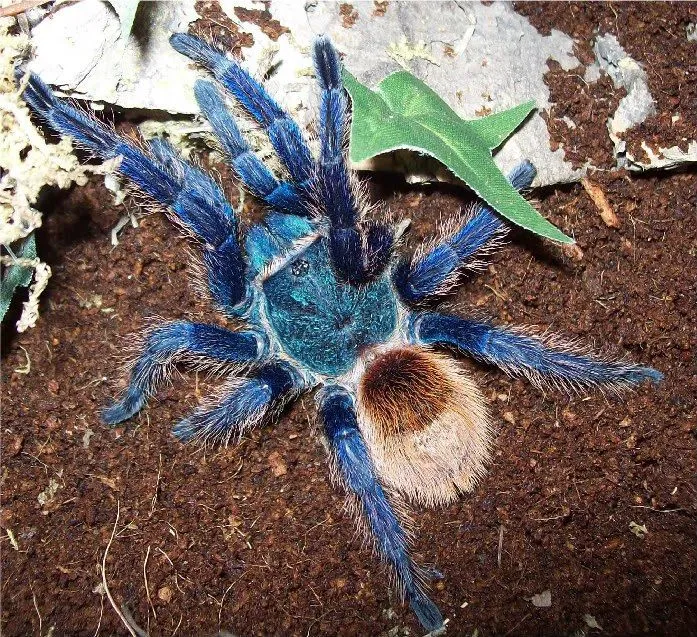
The Blue Indian Tarantula is immediately recognizable by its stunning coloration, which ranges from a vibrant metallic blue to a deep indigo. This coloration is most prominent on the legs and carapace, creating a striking visual contrast. The abdomen is typically darker, often with a brownish hue, while the overall appearance exudes a velvety texture. This spider has a robust build, and their size can vary based on factors like age and genetics. Their overall appearance makes them a sought-after species among tarantula keepers, making them a beautiful addition to any collection. Observing this creature up close is a truly rewarding experience for any tarantula enthusiast.
Unique Blue Coloration

The blue coloration of the Blue Indian Tarantula is not derived from pigments, but rather from structural coloration. This means the color is produced by the physical structure of the hairs on the tarantula’s body, which refract light to create the blue hue. The intensity of the blue can vary based on lighting conditions, the tarantula’s age, and even its mood. This structural coloration is a fascinating example of how nature uses unique methods to create vibrant displays, and its beauty attracts many admirers. The blue coloration also likely serves as a form of camouflage, helping the tarantula blend in with its environment in certain light conditions, adding an element of practicality to its beauty.
Size and Lifespan
Blue Indian Tarantulas typically reach a leg span of around 4 to 6 inches when fully grown. Females tend to be slightly larger than males. Regarding lifespan, females can live for 10 to 12 years or even longer in captivity, while males usually have a shorter lifespan of around 2 to 3 years after reaching maturity. The differences in lifespan is a common characteristic among tarantula species, with the females living much longer lives than the males. This longevity makes them a long-term commitment for pet owners who can provide the appropriate care and enclosure to thrive.
Habitat and Native Region
Blue Indian Tarantulas are native to the tropical forests of India, specifically the regions of Tamil Nadu and Kerala. They are primarily terrestrial spiders, meaning they live on the ground. Their natural habitat consists of humid environments with plenty of leaf litter and undergrowth, providing shelter and opportunities for ambushing prey. Understanding their natural habitat is crucial for replicating their needs in captivity, providing them with a suitable environment to thrive. This knowledge allows keepers to create enclosures that accurately mirror their native environment, offering the best possible conditions for the tarantula to flourish.
Where They Live in the Wild

In the wild, Blue Indian Tarantulas create burrows in the ground, often under rocks, logs, or within the roots of trees. These burrows serve as their primary shelter, offering protection from predators and the elements. They typically remain within or near their burrows during the day, becoming more active during the night when they hunt for food. The burrows also help maintain the ideal temperature and humidity levels, essential for their survival. Their choice of habitat demonstrates their adaptation to the humid, forested areas of Southern India, highlighting their natural behaviors and requirements.
Ideal Environmental Conditions
To thrive, Blue Indian Tarantulas require a warm and humid environment. The ideal temperature range is between 75°F and 85°F (24°C and 29°C), with humidity levels between 70% and 80%. Maintaining these conditions is crucial for their health and well-being. In captivity, this is typically achieved by providing a well-ventilated enclosure, substrate that retains moisture, and a shallow water dish. Monitoring the temperature and humidity with a thermometer and hygrometer, respectively, is essential. Consistent environmental conditions are essential to replicate their natural habitat, supporting their health and encouraging natural behaviors.
Behavior and Temperament
Blue Indian Tarantulas are known for their defensive nature. While not typically aggressive, they will readily defend themselves if they feel threatened. They are generally reclusive and spend most of their time in their burrows or hiding spots. Observing their behavior can be quite fascinating, from the way they cautiously emerge to hunt to their defensive postures when disturbed. Understanding these behaviors helps keepers to provide a safe and enriching environment. Responsible handling and respect for their natural instincts are essential when interacting with these tarantulas.
Defensive Mechanisms

When threatened, Blue Indian Tarantulas can exhibit several defensive mechanisms. They may raise their front legs in a threat posture, stand their ground, and display their fangs. They are also capable of biting, which can be painful. Additionally, they possess urticating hairs, which they can flick off their abdomen to deter potential predators. These hairs can cause skin irritation if they come into contact with skin or eyes. Being mindful of these defensive behaviors is paramount for safe handling and interaction. Understanding their defensive nature helps keepers avoid provoking these responses and handle the tarantulas with utmost care.
Activity Patterns
These tarantulas are primarily nocturnal, meaning they are most active during the night. During the day, they typically remain hidden in their burrows or under cover. As darkness falls, they emerge to hunt for food, exploring their surroundings in search of prey. Their activity patterns are influenced by factors such as temperature, humidity, and the availability of food. Providing a proper lighting cycle, with a dark period each night, can help support their natural behaviors. Observing these patterns provides a fascinating glimpse into the lives of these creatures, allowing keepers to understand their daily habits.
Diet and Feeding Habits
Blue Indian Tarantulas are carnivorous and primarily feed on insects. In the wild, their diet consists of various insects, such as crickets, cockroaches, and other invertebrates. They are ambush predators, waiting patiently for prey to come within range. Their feeding habits are a vital aspect of their survival and reflect their natural predatory instincts. Providing them with appropriate food in captivity is necessary to ensure their well-being and overall health.
What They Eat in the Wild

In their natural habitat, Blue Indian Tarantulas consume a wide variety of insects, including crickets, beetles, and moths. They are opportunistic feeders, consuming whatever prey they can capture. Their diet varies depending on the availability of food in their environment. They are highly adaptable predators, adjusting their hunting behaviors to match the available food sources. Their diet diversity highlights the importance of providing a varied food supply in captivity to support their health. Observing the species in its natural habitat provides valuable insights into its needs, helping to properly care for them.
Feeding in Captivity
In captivity, Blue Indian Tarantulas are typically fed a diet of insects such as crickets, mealworms, and cockroaches. The size and frequency of feeding depend on the tarantula’s size and age. Spiderlings should be fed more frequently, while adult tarantulas can be fed once or twice a week. It is important to offer food that is appropriately sized for the spider to consume. Providing a water source is also essential. Proper feeding ensures that the tarantula receives the necessary nutrients for growth, molting, and overall health, contributing to their longevity in captivity.
Captive Care and Handling
Caring for a Blue Indian Tarantula involves providing a suitable enclosure, maintaining proper environmental conditions, and handling them with care. Providing the right setup and meeting their needs is crucial to their health and happiness. They can be rewarding pets to own, offering unique insights into the natural world. With a proper understanding of their needs, keepers can create a thriving environment for these beautiful arachnids.
Choosing a Suitable Enclosure

A suitable enclosure for a Blue Indian Tarantula should be a glass or plastic terrarium, providing enough space for the spider to move around. The enclosure should be well-ventilated but also able to retain humidity. Substrate such as coconut fiber or peat moss should be used, providing a naturalistic environment. The enclosure should include a hide or burrow where the tarantula can retreat and feel secure. The size of the enclosure should be appropriate for the tarantula’s size. Providing the right environment is the first step to proper care.
Handling and Safety Precautions
Handling Blue Indian Tarantulas should be done with caution, as they can be defensive and are capable of biting. If handling is necessary, it should be done gently and slowly, avoiding sudden movements. Always handle the tarantula over a soft surface in case it falls. Washing hands thoroughly before and after handling is essential, and it’s crucial to avoid putting your hands or face near the tarantula. Respecting their natural behaviors is paramount when handling this species.
Breeding and Reproduction
Breeding Blue Indian Tarantulas in captivity can be a challenging but rewarding experience. Understanding the mating process and the care required for egg sacs and spiderlings is essential for successful reproduction. Breeding provides a unique opportunity to learn more about the lifecycle of these amazing creatures. The care and attention required for raising baby tarantulas are significantly different from caring for adults, requiring careful preparation.
Mating Rituals

The mating process in Blue Indian Tarantulas is similar to other tarantula species. The male must approach the female cautiously, avoiding any aggressive behavior. He will often drum on the substrate to signal his intentions. If the female is receptive, they will mate, with the male depositing sperm into the female’s spermatheca. After mating, the female may or may not attempt to eat the male, depending on her disposition. Successfully mating requires careful observation and understanding of the tarantulas’ behaviors.
Egg Sac and Spiderlings
After mating, the female will produce an egg sac containing numerous eggs. She will fiercely guard the egg sac, ensuring proper conditions for the developing spiderlings. Once the spiderlings hatch, they will remain in the egg sac for a period of time before emerging. The keeper must provide appropriate care, including a separate enclosure, for the spiderlings once they hatch. Raising spiderlings requires specialized knowledge of their specific needs and feeding requirements, making it a demanding but highly rewarding task.
Conservation Status and Threats
The Blue Indian Tarantula’s conservation status is of growing concern due to habitat loss, fragmentation, and the pet trade. Monitoring the population and implementing conservation strategies are vital to ensure the survival of these fascinating creatures. Conservation efforts require collaboration from various stakeholders. Raising awareness is key to preserving this species for future generations.
Current Conservation Efforts
Conservation efforts for the Blue Indian Tarantula include habitat preservation and the regulation of the pet trade. Organizations are working to protect the natural habitats of these tarantulas, while also promoting responsible pet ownership. Raising awareness and providing education are also key strategies to ensure the species’ survival. These efforts require support from the scientific community, conservation organizations, and the general public. Protecting their environment is key for their survival in the wild.
Threats to Their Survival
The main threats to the Blue Indian Tarantula are habitat loss, often due to deforestation and agricultural expansion, and the pet trade, which, if unregulated, can lead to over-collection from the wild. Other threats include climate change, which can alter their habitat. Overcoming these challenges requires a multi-faceted approach. Reducing these threats is vital to ensuring the continued existence of the Blue Indian Tarantula in its natural habitat.
Interesting Facts and Trivia
Beyond their striking appearance and fascinating behaviors, Blue Indian Tarantulas have several interesting facts and trivia. These lesser-known details can further enhance your appreciation for these unique creatures. These facts highlight the unique aspects of these species.
Unusual Behaviors
Blue Indian Tarantulas exhibit some unique behaviors, such as the use of silk to create their burrows and the way they construct trapdoors. They also may shed their exoskeletons, or molt, as they grow. These behaviors often vary among individuals and demonstrate their adaptability. Watching the tarantulas in their natural environment offers a peek at their survival skills and instincts. These unusual behaviors are some of the things that makes them unique.
Popularity as Pets
The Blue Indian Tarantula is becoming increasingly popular as a pet due to its vibrant coloration and manageable care requirements. However, it is important for potential owners to be aware of the responsibilities involved, which include providing a suitable enclosure, maintaining environmental conditions, and handling them with care. The popularity of this species is a testament to its aesthetic appeal and the growing interest in exotic pets. Responsible ownership is essential to their well-being.