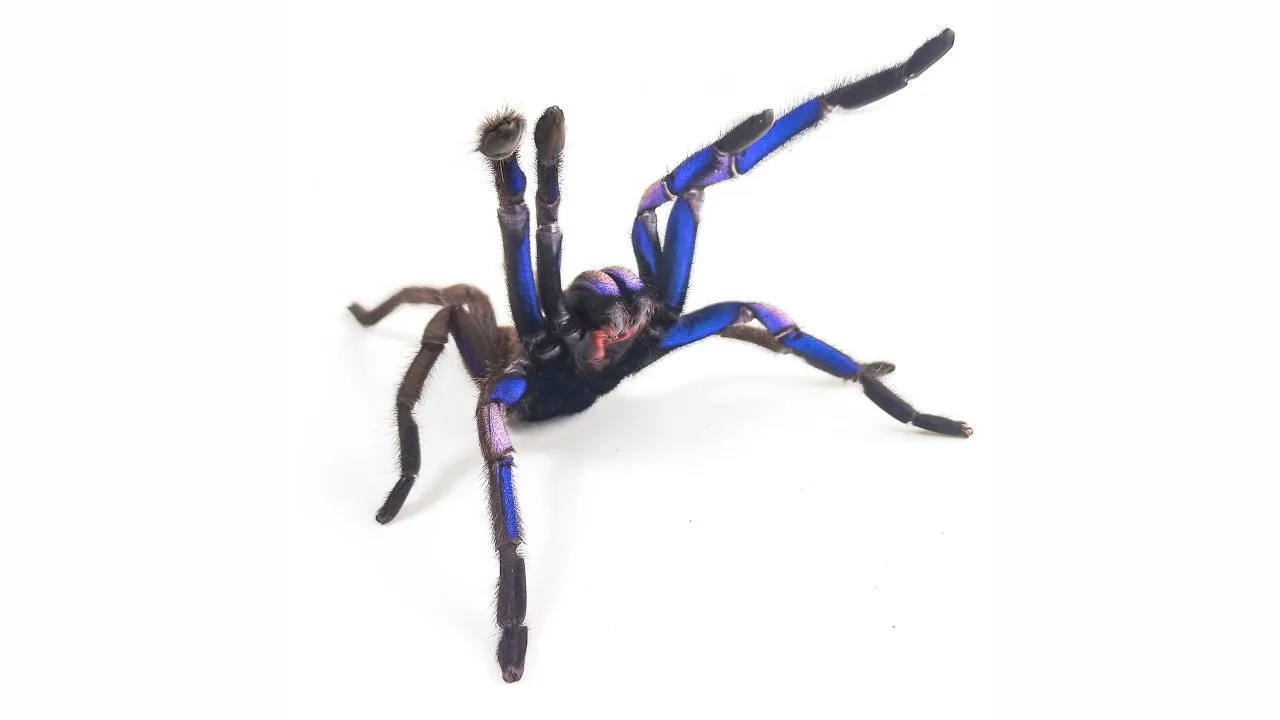
What is a Blue Tarantula
The blue tarantula is a captivating and unique arachnid, drawing attention with its striking coloration and fascinating behaviors. These spiders belong to various species, each possessing its distinct shades of blue, ranging from electric to deep sapphire. Their beauty, combined with their relatively docile nature compared to other tarantula species, makes them popular among enthusiasts. Despite their striking appearance, the blue tarantula, like all tarantulas, plays a vital role in its ecosystem, contributing to the natural balance of its habitat by preying on insects and other small creatures. Learning about the blue tarantula provides insights into the wonders of biodiversity and the importance of preserving these magnificent creatures.
Appearance of Blue Tarantulas
The appearance of blue tarantulas is truly remarkable, making them stand out in the spider world. Their coloration is not merely a surface pigment; it’s often the result of structural coloration, where light interacts with the microscopic structures on the spider’s hairs or exoskeleton, creating the blue hue. This phenomenon is similar to how a peacock’s feathers display iridescent colors. The intensity and shade of blue can vary depending on the species, the individual spider, and the lighting conditions. This vibrant color serves multiple purposes, from camouflage in their natural environment to attracting mates. The blue tarantula’s visual appeal is matched by the intricate patterns and textures on their bodies, making them a favorite subject for nature photographers and a source of wonder for anyone who encounters them.
Distinctive Blue Color

The blue coloration in these tarantulas is often described as electric or sapphire, adding to their allure. The structural coloration responsible for this effect creates an iridescent sheen, which appears differently depending on the angle of light and the viewing perspective. The blue pigment isn’t always consistent across the entire body; it may be concentrated on the legs, carapace, or abdomen, creating striking contrasts. Different species of blue tarantulas will display varying shades of blue, making identification a nuanced process. This variation highlights the incredible diversity within the tarantula family and showcases nature’s artistic prowess. The blue color is not only a visual treat but may also serve a crucial role in intraspecies communication or camouflage within their habitat.
Size and Physical Features
Beyond their vibrant color, blue tarantulas display physical features typical of tarantulas. They are relatively large spiders, with leg spans that can reach impressive sizes, varying between species. Their bodies are divided into two main parts the cephalothorax (fused head and thorax) and the abdomen, both covered in tiny hairs called setae. These setae play a role in sensory perception, allowing the tarantulas to feel vibrations, detect air currents, and even taste the air. The legs are covered with spines, which aid in climbing, grasping prey, and digging burrows. Their chelicerae, or fangs, are formidable tools for injecting venom and capturing food. Their physical structure is a testament to their predatory lifestyle and their successful adaptation to their environment. Their size is a key aspect, which influences their hunting strategies and habitat requirements.
Habitat and Distribution
Blue tarantulas are not found everywhere; they are endemic to specific geographical regions, primarily in Southeast Asia, where they inhabit tropical and subtropical environments. Their preferred habitats usually include areas with high humidity, such as rainforests, and they often build burrows or take shelter in the undergrowth. Due to their sensitivity to environmental conditions, they are often found in microhabitats that provide adequate moisture and protection from extreme temperatures. Their geographical distribution is often fragmented, with different species or populations occupying distinct niches within these regions. Their limited distribution underscores the importance of understanding and preserving their specific habitats to protect their survival. The presence of a blue tarantula is a good indicator of a healthy, diverse ecosystem.
Geographic Range

The geographical range of blue tarantulas is limited to specific areas within Southeast Asia. These areas include countries like Thailand, Myanmar, and Vietnam. Within these regions, their distribution is often patchy, depending on the availability of suitable habitat and local environmental conditions. They are not found in all parts of these countries, but rather, in specific microclimates within the larger landscape. Due to their specialized habitat needs, they can be sensitive to habitat loss and environmental changes. The fragmentation of their range increases their vulnerability. Conservation efforts are therefore targeted to protect these specific pockets of land to ensure the survival of the blue tarantula and the biodiversity it supports.
Preferred Environments
Blue tarantulas prefer specific environments, typically characterized by high humidity, dense vegetation, and stable temperatures. These spiders often build burrows in the ground, or utilize natural shelters under rocks, logs, or in leaf litter. They thrive in environments that provide ample moisture and protection from direct sunlight and predators. The presence of appropriate prey, such as insects and other small invertebrates, is also essential. The preferred environment is usually near streams or areas with high rainfall. The selection of habitats indicates their particular needs and vulnerabilities. They also demonstrate how changes in climate or human activities, which affect their natural environments, can significantly impact their survival.
Behavior and Lifestyle
Blue tarantulas have a mostly nocturnal lifestyle, being most active during the night. They are primarily ambush predators, waiting patiently for prey to come within striking distance. While they are generally docile, they can exhibit defensive behaviors when threatened, such as raising their front legs, exposing their fangs, and flicking urticating hairs (small, irritating hairs) from their abdomen. Their behavior varies depending on the species, age, and environmental conditions. The fascinating behaviors of blue tarantulas are a testament to their adaptation to their environment and their survival strategies. Understanding their behaviors is essential to successful captive care and conservation efforts.
Diet and Feeding Habits

Blue tarantulas are carnivores, feeding primarily on insects and other small invertebrates. Their diet consists mainly of crickets, mealworms, cockroaches, and other readily available prey. They use their venom to subdue their prey, injecting it through their fangs. After the prey is immobilized, they use their chelicerae to crush the body and feed on the liquid contents. As they grow, their diet can expand to include larger prey. The feeding habits of blue tarantulas are a key part of their ecological role, helping to control populations of insects and other small creatures within their habitat. Proper feeding is also important when kept in captivity to maintain their health and well-being.
Defensive Mechanisms
When threatened, blue tarantulas have several defensive mechanisms. They can raise their front legs and display their fangs as a warning. Some species can flick urticating hairs from their abdomen, which irritate the skin and eyes of potential predators. They might also retreat into their burrows or try to escape if they perceive a threat. Their defensive behaviors are generally proportional to the perceived level of danger. Although they possess venom, it’s not usually life-threatening to humans, but their bite can be painful. Understanding their defensive mechanisms helps in safe handling and in protecting them from threats in their natural habitat.
Conservation Status
The conservation status of blue tarantulas varies among different species, but many face threats from habitat loss, the pet trade, and environmental changes. Deforestation and the expansion of agriculture reduce their habitat. Over-collection for the pet trade further endangers populations. The blue tarantula’s conservation status is often used to gauge the overall health of their habitat and the impact of human activities. Conservation efforts include habitat preservation, sustainable pet trade practices, and public awareness campaigns. The focus is on protecting their natural environment and minimizing threats to their survival.
Threats to Blue Tarantulas

Blue tarantulas face several significant threats. Habitat destruction due to deforestation and urbanization is a major challenge, reducing the available space for the spiders to live and breed. The pet trade, which is often unsustainable, can deplete wild populations, especially if collection exceeds the birth rate. Climate change and environmental pollution can also disrupt their habitat, impacting their food sources and overall survival. The introduction of invasive species, which compete with or prey on them, adds to the threats. Efforts to mitigate these threats are critical to ensure the survival of blue tarantulas. The combination of these threats underscores the urgency of conservation and sustainable practices.
Conservation Efforts
Various conservation efforts are underway to protect blue tarantulas. These include habitat preservation and restoration, establishing protected areas to safeguard their natural environment. Sustainable pet trade practices are being promoted to prevent over-collection. Education and public awareness campaigns help inform people about the importance of these spiders and their habitats. Research into their biology, behavior, and population dynamics is also crucial for effective conservation strategies. Captive breeding programs play a vital role in increasing their numbers. Successful conservation depends on the combined efforts of scientists, conservationists, governments, and the public.
Interesting Facts About Blue Tarantulas
Blue tarantulas possess a number of fascinating characteristics that make them unique and captivating. From their distinctive coloration to their specific habitat needs and behaviors, they offer a wealth of information about the biodiversity of the planet. These creatures are a testament to the wonders of evolution and the intricate relationships between species and their environment. Their survival hinges on the protection of their environment. Discovering and sharing the facts about blue tarantulas is essential in promoting their conservation and ensuring the health of the ecosystems in which they live.
Lifespan of Blue Tarantulas

The lifespan of blue tarantulas, like all tarantulas, is quite long compared to many other invertebrates. Females tend to live considerably longer than males. Female blue tarantulas can live for up to 12 to 15 years in the wild, and even longer in captivity. Male blue tarantulas typically have a much shorter lifespan, often only living for a few years after reaching maturity. The longevity of the females contributes to the overall population stability of these arachnids. Factors such as access to food, the absence of predators, and suitable living conditions all contribute to a tarantula’s lifespan. Knowing their lifespan is crucial for understanding their population dynamics and conservation strategies.
Venom and Toxicity
Blue tarantulas, like all tarantulas, possess venom, which they use to subdue their prey. Their venom is not typically considered highly dangerous to humans; the bite of a blue tarantula is unlikely to be life-threatening. The effects of the venom are similar to a bee sting, with localized pain, swelling, and discomfort at the bite site. Allergic reactions, though rare, are possible. However, it’s important to handle blue tarantulas with care. The bite, if it occurs, can be painful. The venom’s primary purpose is to immobilize the prey. Research on the venom and its composition helps develop medical applications.
Breeding and Reproduction
The breeding and reproduction of blue tarantulas is an intriguing process. Mating usually occurs after the male has matured and constructed a sperm web. During mating, the male deposits sperm onto the female’s web. The female then picks it up. After mating, the female will lay eggs inside an egg sac, where the spiderlings develop. She guards the egg sac. The number of eggs can vary depending on the species and size of the female. Spiderlings molt several times. Understanding this process is essential to the sustainable breeding of blue tarantulas. It is also essential for maintaining healthy populations.