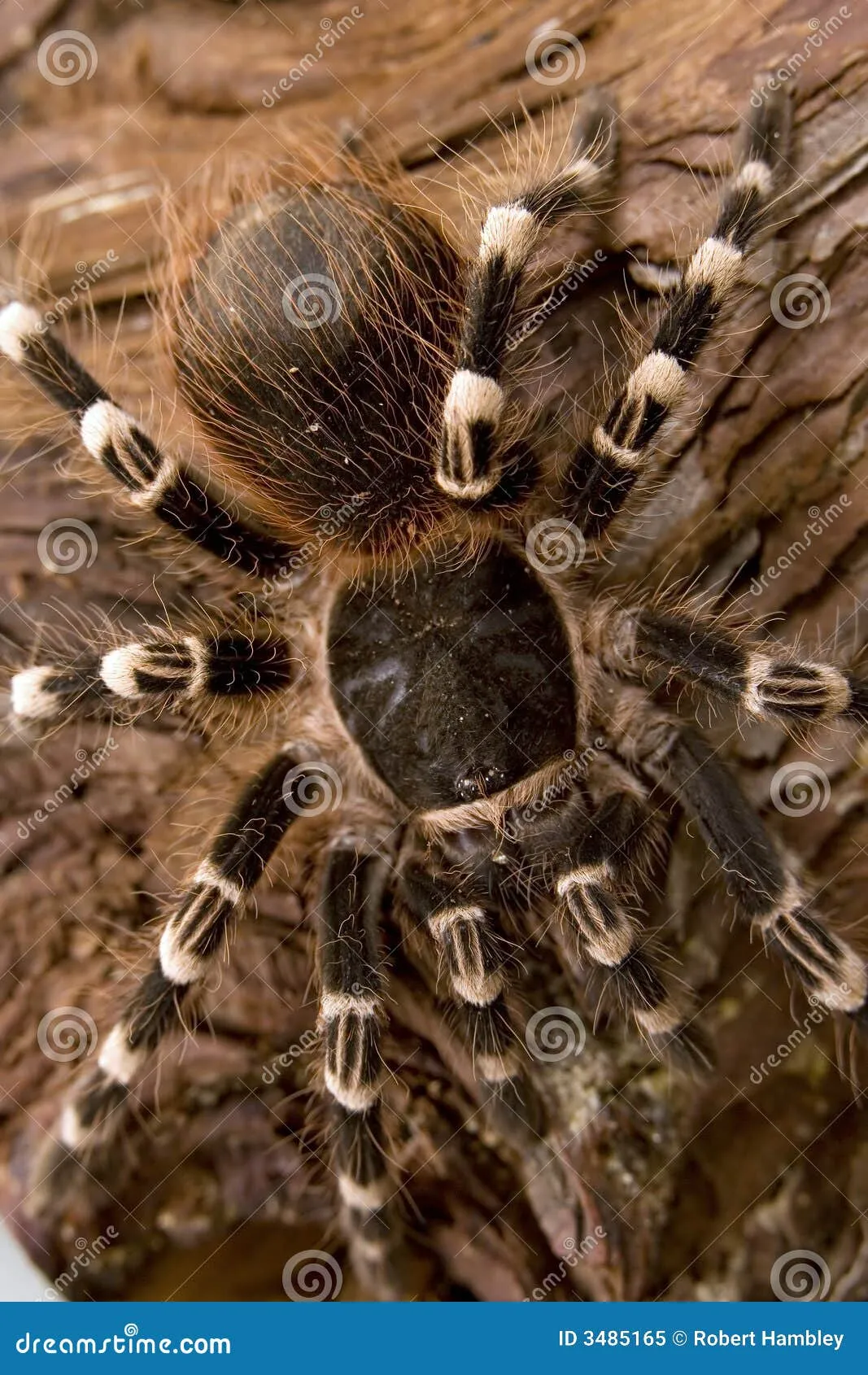
What is the Brazilian White Knee Tarantula?
The Brazilian White Knee Tarantula (Acanthoscurria geniculata), often admired for its striking appearance and relatively docile temperament, is a popular choice among tarantula enthusiasts. Native to the rainforests of Brazil, this terrestrial tarantula is known for its impressive size, reaching a leg span of up to 8 inches or more. Its distinctive markings, featuring white bands on its knees, along with black and brown coloration on the rest of its body, make it visually appealing. Their lifespan, when well-cared for, can extend up to 10-15 years for females, while males typically live shorter lives, around 3-5 years. Keeping this species requires attention to specific environmental conditions, particularly in terms of temperature, humidity, and a proper feeding schedule, all critical for its growth and overall well-being.
Understanding the Growth Rate of Brazilian White Knee Tarantulas
The growth rate of a Brazilian White Knee Tarantula is a fascinating aspect of their life cycle, varying based on several factors. Generally, these tarantulas exhibit a moderate growth rate, especially during their juvenile stages. They typically molt (shed their exoskeleton) more frequently when they are young, sometimes every few months, accelerating their growth. As they mature, the frequency of molting decreases, with adults molting once or twice a year. This process is not only crucial for growth but also for regenerating lost limbs or replacing old exoskeletons. The rate can fluctuate based on environmental factors, especially temperature and feeding. A properly maintained environment and diet can help optimize their growth, leading to a healthy and long-lived tarantula.
Factors Influencing Growth Rate

Several factors significantly influence the growth rate of Brazilian White Knee Tarantulas. The most important include temperature, feeding, and humidity. Providing the right environment is essential for supporting their growth. Genetics also play a role, with some individuals growing at a faster rate than others within the same species. Stress, such as inadequate enclosure size or poor environmental conditions, can also hinder growth, slowing down the molting process. Regular monitoring and adjustment of these environmental parameters are key to ensuring your tarantula thrives. Understanding how these factors interact helps in providing optimal care, which supports healthy growth and a longer lifespan.
Temperature’s Impact on Growth
Temperature plays a critical role in the metabolism and growth of Brazilian White Knee Tarantulas. These tarantulas thrive in a specific temperature range, typically between 75°F and 85°F (24°C and 29°C). Maintaining this range helps the tarantula digest food effectively and molt regularly. If the temperature is too low, the tarantula’s metabolism slows down, leading to slower growth and potentially, health problems. Conversely, excessively high temperatures can stress the tarantula, also impacting its growth negatively. It’s important to use a reliable thermometer to monitor the temperature in the enclosure and provide supplemental heating if necessary, especially in cooler environments. This temperature control is one of the core care practices for promoting healthy development.
Feeding Regimen and Its Role
A well-planned feeding regimen is critical for the growth of Brazilian White Knee Tarantulas. The diet should consist primarily of insects such as crickets, roaches, and mealworms, with the size of the prey being appropriate for the tarantula’s size. Juvenile tarantulas require more frequent feeding, typically 2-3 times a week, while adults can be fed less often, once or twice a week. Overfeeding can lead to accelerated growth, which may strain the tarantula’s body. Therefore, the amount of food given should be monitored carefully. It’s also important to remove any uneaten food within 24 hours to prevent mold or mites from infesting the enclosure. Providing a varied diet ensures that the tarantula receives all the necessary nutrients, supporting a healthy molting cycle and overall growth.
Humidity Levels and Their Significance

Humidity is another essential factor influencing the growth of Brazilian White Knee Tarantulas. They require a moderate humidity level, typically around 60-70%, to facilitate successful molting. Low humidity can make it difficult for the tarantula to shed its exoskeleton, potentially leading to molting problems. High humidity, on the other hand, can promote mold growth and bacterial infections. Monitoring the humidity level with a hygrometer is crucial for maintaining the right environment. Regular misting, providing a shallow water dish, and using substrate that retains moisture, such as coco fiber, can help maintain the required humidity levels. The appropriate humidity levels ensure healthy molting and support the overall growth of the tarantula.
Molting and Its Relation to Growth
Molting is a fundamental part of a tarantula’s life, directly tied to its growth. During molting, the tarantula sheds its exoskeleton, allowing it to grow larger. Before molting, the tarantula usually stops eating, becomes less active, and may appear darker in color. The process can take several hours or even days. After molting, the tarantula’s new exoskeleton is soft, making it vulnerable; it will usually remain hidden until the exoskeleton hardens. Providing a humid environment during this period is crucial. The frequency of molting decreases as the tarantula matures. Understanding the molting process and providing the appropriate environment ensures healthy growth and development, allowing the tarantula to thrive.
Signs of a Healthy Growing Tarantula
Recognizing the signs of a healthy growing Brazilian White Knee Tarantula helps in ensuring its well-being. Healthy tarantulas typically exhibit an active appetite, regularly consuming their prey. They should also have a vibrant color, with distinct markings. Regular molting is another clear sign of healthy growth, with a well-formed, intact exoskeleton after each molt. The tarantula’s behavior should be alert and responsive to its environment. Ensuring the enclosure is clean and that environmental conditions are correct further supports healthy growth. Being observant of these signs helps identify any potential issues early on, allowing for timely intervention and ensuring the tarantula continues to grow and thrive.
Common Growth Problems and Solutions

Several problems can hinder the growth of Brazilian White Knee Tarantulas. One common issue is stunted growth, which can be caused by inadequate feeding, improper temperatures, or stress. Molting problems, such as the tarantula getting stuck during the molting process, can also occur due to low humidity or other environmental stressors. To address these issues, ensure that the tarantula receives a proper diet, maintain the correct temperature and humidity levels, and provide an appropriately sized and stress-free enclosure. Regular health checks and consulting with experienced keepers can help identify and resolve any problems promptly. Early intervention is essential for ensuring the tarantula’s health and promoting its overall growth.
Comparing Growth Rates to Other Tarantula Species
The growth rate of Brazilian White Knee Tarantulas can be compared to other tarantula species to understand their growth patterns better. They are generally considered to have a moderate growth rate. Some species, such as the Chilean Rose Hair Tarantula, are known for their slower growth, while others, like certain species from warmer climates, might grow faster. Factors such as genetics, environmental conditions, and feeding habits play significant roles in the growth rate of each species. Comparing these growth rates can help keepers manage their tarantulas, providing the right care to ensure a healthy and thriving pet. This comparative view also provides insight into the unique needs and characteristics of the Brazilian White Knee Tarantula.
Conclusion
Understanding and managing the growth rate of a Brazilian White Knee Tarantula is crucial for its well-being. By paying close attention to temperature, humidity, feeding, and other environmental factors, you can ensure your tarantula grows healthily and lives a long, fulfilling life. Remember that each tarantula is unique, and observing your pet’s behavior is key to recognizing any potential issues early on. With proper care and attention, the Brazilian White Knee Tarantula can thrive, becoming a fascinating and rewarding companion for any arachnid enthusiast.