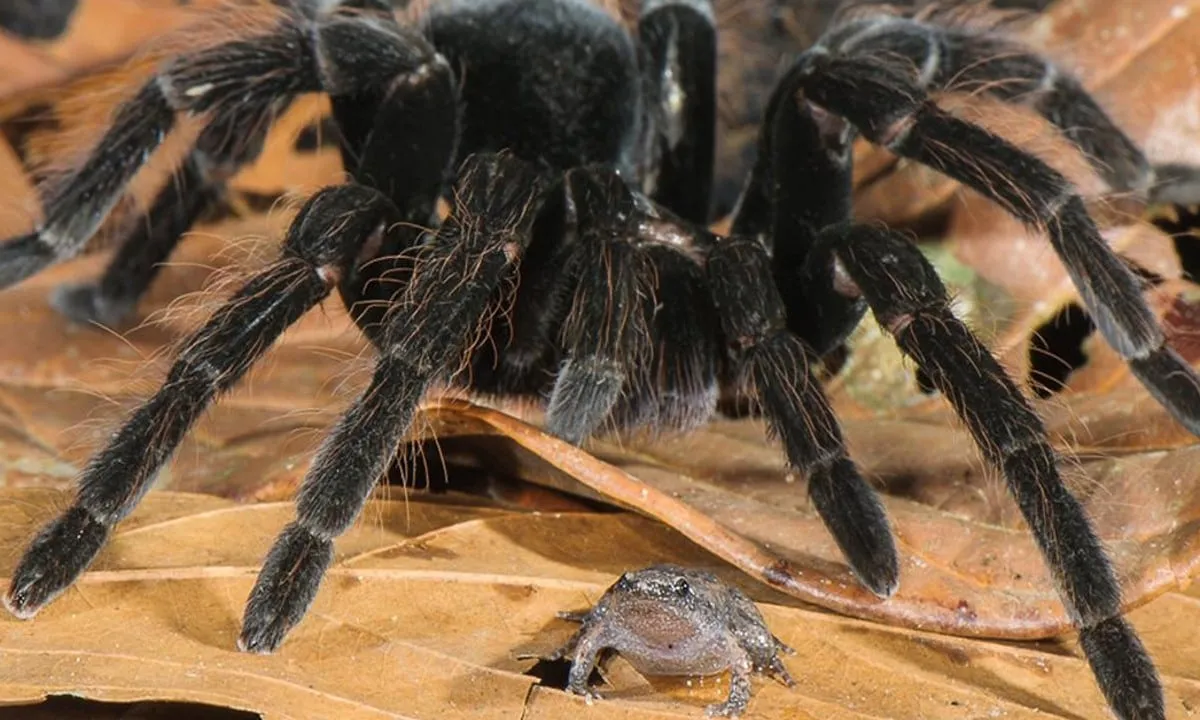
Burrowing Tarantulas 5 Amazing Facts
Burrowing tarantulas, often shrouded in mystery, are fascinating creatures that have captivated the attention of arachnid enthusiasts and scientists alike. These spiders, with their secretive lifestyles and unique adaptations, offer a glimpse into the hidden world beneath our feet. This article unveils five astonishing facts about burrowing tarantulas, shedding light on their remarkable behaviors, habitats, and the challenges they face. From their intricate burrow construction to their impressive longevity, prepare to be amazed by these underground marvels. Discover what makes these creatures so special, and how they thrive in their subterranean domain. Prepare to delve deep into the world of these incredible animals.
What Makes a Tarantula a Burrower
The term “burrowing tarantula” refers to specific tarantula species that have evolved a lifestyle centered around constructing and inhabiting burrows. This behavior is a key adaptation, providing protection from predators, regulating their body temperature, and creating a stable environment for raising offspring. Unlike some tarantulas that are arboreal or terrestrial, burrowing species spend the majority of their lives underground. This lifestyle is reflected in their physical characteristics and behaviors, making them uniquely adapted to their subterranean homes. They have specialized digging tools and behaviors designed for creating and maintaining their burrows. These adaptations make burrowing tarantulas a truly remarkable group within the tarantula family.
Burrowing Behavior

Burrowing behavior is a complex process that involves both instinct and learned behaviors. The spider’s genetics play a significant role in dictating this behavior, as they are born with the propensity to dig and create a home. However, environmental factors, such as the type of soil and the availability of resources, can also influence burrowing patterns. The spiders choose locations with suitable soil conditions that allow for easy digging and the maintenance of structural integrity. They meticulously excavate the soil, removing debris, and reinforcing the burrow walls with silk. The burrow provides shelter, a place for hunting, and a secure environment for molting and breeding. The intricacy and engineering of the burrow reflect the spider’s survival strategies.
Burrowing Tarantula Species
Numerous tarantula species exhibit burrowing behaviors, each with its unique adaptations and preferences. Some popular examples include the Texas tan tarantula (Aphonopelma hentzi), which is frequently found in the southwestern United States. The Chilean rose tarantula (Grammostola rosea), although often kept as pets, can also exhibit burrowing tendencies in the wild. The size, structure, and depth of the burrow can vary significantly between species, reflecting their different needs and ecological niches. Some species create elaborate burrows with multiple chambers and entrances, while others prefer simpler, more direct tunnels. The diverse range of burrowing behaviors across different species showcases the evolutionary adaptability of these fascinating arachnids. Discovering these varying burrowing preferences enriches our understanding of tarantulas.
Fact 1 Burrowing Tarantulas’ Unique Habitats
Burrowing tarantulas inhabit a wide range of habitats, from arid deserts to tropical rainforests. The specific environment they choose is largely determined by factors such as soil composition, humidity, and the availability of prey. They prefer areas with well-drained soil that allows them to dig easily. Many species are found in regions with moderate temperatures, as their burrows provide a refuge from extreme heat or cold. These spiders are often found in areas where there is ample cover, such as under rocks, logs, or around the roots of plants. The habitat plays a vital role in their survival. The habitat’s conditions influence burrow construction, and the success of their hunt.
Understanding Their Underground Homes

Burrowing tarantulas’ homes are not merely holes in the ground; they are complex architectural structures designed to meet their specific needs. These burrows provide protection from predators, regulate temperature and humidity, and serve as a secure place to molt and raise their young. The construction of these underground homes can vary significantly between species, but all share common elements such as an entrance, a tunnel, and often, a chamber for resting and hunting. The entrance may be camouflaged with silk and debris to blend with the surroundings. The depth of the burrow can range from a few inches to several feet, depending on the species and the environment.
Types of Burrows
The types of burrows vary widely among different species, each with unique features. Some tarantulas dig simple, vertical tunnels with a single chamber at the bottom. Others create more elaborate structures with multiple chambers, side tunnels, and silk linings to reinforce the walls. Some species may construct a turret-like structure around the entrance to help prevent flooding and provide additional protection. The complexity of the burrow often reflects the spider’s size, the environmental conditions, and its specific hunting strategies. Researching these variations can offer a deeper understanding of their behavior. These different types of burrows demonstrate how the tarantulas have adapted to their environments.
Fact 2 Their Powerful Digging Abilities
Burrowing tarantulas possess remarkable digging abilities, a testament to their adaptation to a subterranean lifestyle. These spiders have evolved specialized physical features and behaviors that enable them to excavate soil and create their burrows efficiently. Their powerful chelicerae (jaws) are used to break up the soil and create a path. They use their pedipalps (small leg-like appendages near the mouth) and legs to move soil out of the burrow. The front legs are often equipped with modified claws and bristles that aid in digging. The entire digging process is a coordinated effort, demonstrating the spiders’ engineering prowess and the importance of a burrow for survival.
How They Construct Their Burrows

The construction of a burrow is a meticulous and time-consuming process for a tarantula. The spider first selects a suitable location, taking into account factors such as soil composition, moisture, and the availability of prey. They then begin the excavation process, using their chelicerae to break up the soil. The spider then pushes the loose soil out of the burrow using its pedipalps and legs. They will often reinforce the walls of the burrow with silk to prevent collapse. Some species also add debris such as leaves, twigs, or pebbles to the entrance to help camouflage the burrow. This elaborate construction helps them to build a safe home.
Tools for Digging
Tarantulas are equipped with various tools that aid in their digging efforts. Their chelicerae are strong and sharp, perfectly suited for breaking up soil and rocks. The pedipalps, which are near the mouth, act like small shovels, pushing soil out of the burrow. The front legs often feature modified claws and bristles, which assist in scraping and moving soil. The spiders’ bodies themselves are well-adapted for burrowing, with a flexible abdomen that allows them to maneuver in tight spaces. By utilizing these tools, the spiders are able to create and maintain their burrows. Without these tools, a tarantula would struggle to survive underground.
Fact 3 Burrowing Tarantulas’ Diet & Hunting
Burrowing tarantulas are primarily ambush predators, relying on their burrows to provide a safe haven from which they can launch their attacks. They are opportunistic hunters, feeding on a variety of insects, small invertebrates, and occasionally, small vertebrates. Their diet is heavily influenced by the availability of prey in their local environment. Their hunting strategies involve patience and precision. They often wait at the entrance of their burrows, sensing vibrations from potential prey. When a suitable meal wanders within range, the tarantula pounces, injecting venom to immobilize the prey before consuming it. The burrow provides an excellent hunting advantage, and a place for the spider to eat without the threat of predators.
What Do They Eat

The diet of a burrowing tarantula mainly consists of insects and other invertebrates, such as crickets, beetles, and cockroaches. The specific prey items vary based on the tarantula’s size, location, and the availability of different food sources. Larger tarantulas may occasionally prey on small vertebrates, such as lizards or mice. These spiders use their chelicerae to crush the prey, injecting venom to immobilize it. They then use digestive enzymes to break down the prey’s body, consuming the nutritious fluids. They are not picky eaters, and will eat nearly anything that comes across their path. Because of their diet, they play a vital role in the ecosystem.
Hunting Techniques
Burrowing tarantulas employ a range of hunting techniques, most of which are based on ambush predation. They often sit near the entrance of their burrow, waiting for unsuspecting prey to pass by. The spider’s sensory organs, including sensitive hairs on their legs, detect vibrations in the soil, alerting them to the presence of potential prey. Once a target is detected, the tarantula will quickly lunge out of its burrow, seize the prey with its chelicerae, and inject venom. The spider then retreats back into its burrow to consume its meal in safety. Some species use silk tripwires around their burrows, alerting them to the presence of prey. Hunting techniques are perfected over time.
Fact 4 Lifespan & Growth
Burrowing tarantulas are renowned for their exceptionally long lifespans, especially in females. The females often live for several decades, while males typically have shorter lifespans. Their growth process is a slow but continuous journey marked by molting, the process of shedding their exoskeletons to allow for growth. Each molt represents a significant event in the spider’s life, revealing a new, larger body. The frequency of molting decreases as the tarantula matures, but the process is essential for their survival and development. The growth rate is influenced by factors such as the tarantula’s diet, the environment, and the species’ genetics.
How Long They Live

The lifespan of burrowing tarantulas varies depending on the species and sex. Female tarantulas can live for an impressive 20 to 30 years or even longer in some cases. Male tarantulas typically have much shorter lifespans, often only living for a few years after reaching maturity. This difference in lifespan is largely due to the reproductive cycle. Males often die soon after mating, while females can continue to live and reproduce for many years. Several environmental factors, such as temperature, humidity, and food availability, can also influence a tarantula’s lifespan. They show great longevity.
Molting Process
Molting is an essential process for tarantulas, as it allows them to shed their old exoskeleton and grow. The process begins with the formation of a new, soft exoskeleton beneath the old one. The tarantula then becomes inactive, often retreating into its burrow to minimize stress. The old exoskeleton splits open, and the spider carefully emerges, leaving behind its old shell. During this vulnerable time, the spider’s new exoskeleton is soft and fragile, making it susceptible to injury. After molting, the tarantula needs time to harden its new exoskeleton before it can resume normal activities. The molting process can be a dangerous time, however, as it is the only time they are vulnerable to predators.
Fact 5 Protecting Burrowing Tarantulas
Burrowing tarantulas, like many other species, face numerous threats to their survival. Habitat loss, due to deforestation, urbanization, and agricultural expansion, is a major concern. The use of pesticides and other chemicals can also harm these spiders and their prey. Climate change is another growing threat, with extreme weather events and shifts in temperature patterns impacting their habitats. Conservation efforts are essential to ensure the long-term survival of these fascinating creatures. Education, habitat preservation, and responsible practices can all play a crucial role in protecting these unique spiders.
Threats to Their Survival

Several factors pose significant threats to burrowing tarantulas. Habitat destruction is a leading concern, as their homes are destroyed for various purposes. The use of pesticides and other chemicals can contaminate their environment, harming the spiders and their prey. Illegal collecting and the pet trade also threaten wild populations. Climate change is leading to increased temperatures, altered rainfall patterns, and extreme weather events, which can disrupt the spiders’ habitats. Understanding these threats is the first step in developing effective conservation strategies.
Conservation Efforts
Various conservation efforts are underway to protect burrowing tarantulas and their habitats. Habitat preservation and restoration projects are crucial for maintaining their natural environment. Education and awareness programs help to inform the public about the importance of these spiders and their role in the ecosystem. Regulations to control the pet trade and prevent illegal collecting can also contribute to the protection of these spiders. Supporting research and monitoring programs can help us to better understand their populations and develop more effective conservation strategies. These animals need our protection to maintain their species.