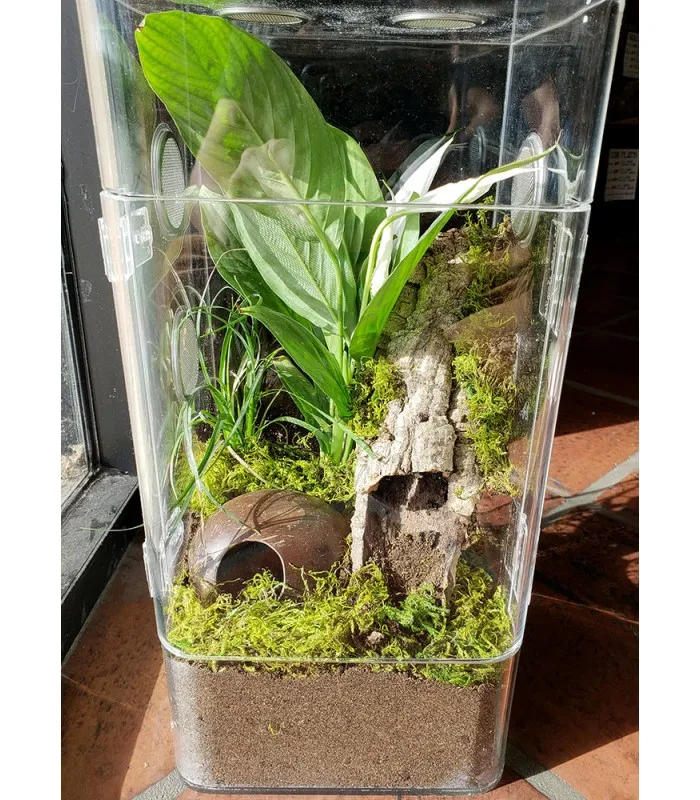
Bringing a tarantula into your home is an exciting experience, but before you welcome your eight-legged friend, you’ll need a suitable tarantula enclosure. Choosing the right habitat is crucial for your tarantula’s health, well-being, and longevity. This guide offers the top 5 must-knows when buying a tarantula enclosure, ensuring you make an informed decision and provide your pet with the perfect home. From size and ventilation to materials and accessibility, we cover all the essential aspects to consider. Selecting the ideal enclosure is more than just a purchase, it’s about creating a thriving environment for your tarantula, promoting their comfort and safety. So, let’s dive in and equip you with the knowledge you need to buy a tarantula enclosure with confidence.
Top 5 Must-Knows for Buying a Tarantula Enclosure
Size Matters Picking the Right Enclosure
The size of the enclosure is paramount to your tarantula’s happiness and health. A habitat that’s too small restricts movement and can stress your spider, while one that’s excessively large might make it harder for your tarantula to find food and feel secure. As a general rule, the enclosure should be at least two to three times the tarantula’s leg span in width. This provides ample space for movement, burrowing, and exploration. Height requirements depend on the species, terrestrial tarantulas need more floor space, whereas arboreal species require more vertical space for climbing. Remember, the correct size is about your tarantula’s comfort and well-being.
Understanding Tarantula Species Needs

Different tarantula species have unique needs that will influence the ideal enclosure size and setup. Terrestrial tarantulas, such as the Chilean Rose or the Mexican Red Knee, are ground-dwelling and require more horizontal space with a substrate deep enough for burrowing. Arboreal tarantulas, like the Pinktoe Tarantula, are tree-dwelling and need a taller enclosure with branches or other climbing structures. Consider the adult size of your tarantula species, as they will continue to grow. Always research the specific requirements of your chosen species to ensure you provide the most suitable and stimulating environment.
Considering the Tarantula’s Size
Start with an enclosure that’s appropriately sized for your tarantula’s current size, but be prepared to upgrade as your spider grows. Juvenile tarantulas can thrive in smaller enclosures initially, allowing them to feel more secure and making it easier to find food. However, you will need to gradually move them to larger enclosures as they mature. Keep in mind that over time, an adult tarantula can double or even triple in size. Having the correct size enclosure will have a direct impact on the spider’s comfort and stress levels.
Ventilation Is Key for Tarantulas
Proper ventilation is essential for preventing the build-up of mold, bacteria, and stagnant air within the enclosure. Good ventilation helps regulate humidity levels, which is crucial for your tarantula’s health. Insufficient airflow can lead to respiratory problems, mold growth, and overall poor conditions for your pet. Choose an enclosure with adequate ventilation, such as mesh tops or strategically placed ventilation holes. The design of the enclosure should provide a balance between air circulation and maintaining the required humidity for the tarantula species.
Why Ventilation Is Critical

Tarantulas require a specific humidity level to thrive, and ventilation plays a critical role in maintaining this balance. Without proper ventilation, excess moisture can build up, encouraging mold and bacterial growth, which can be harmful to the spider. Additionally, stagnant air can create an unhealthy environment, affecting your tarantula’s ability to breathe properly. Good ventilation ensures that the enclosure remains fresh and safe, preventing respiratory issues and promoting overall health. Effective ventilation supports a balanced environment that benefits both the tarantula and the enclosure’s cleanliness and longevity.
Optimal Ventilation Methods
The ideal ventilation method depends on the type of enclosure. For enclosures with a mesh top, ensure the mesh is secure and not too fine, as this can restrict airflow. Some enclosures have ventilation holes located on the sides or top, which promotes air circulation. Cross-ventilation, where air enters from one side and exits from another, is often the most effective. The design of the ventilation should prevent the spider from escaping while ensuring adequate airflow. Regularly check the ventilation system to ensure it is free from obstructions, and that it’s functioning correctly.
Enclosure Material Safety
The material of your tarantula enclosure affects safety, durability, and the spider’s ability to thrive. The most common materials are glass and acrylic. When choosing an enclosure, prioritize materials that are non-toxic, easy to clean, and durable enough to withstand the tarantula’s potential burrowing and climbing activities. Make sure the material is safe, will not break, and is not able to be escaped from. Consider the long-term maintenance needs, and choose a material that is easy to maintain to ensure the best experience for both you and your pet.
Glass Enclosures for Tarantulas

Glass enclosures are a popular choice because they provide excellent visibility, allowing you to observe your tarantula. They are easy to clean and can be disinfected thoroughly. Glass is a non-porous material, which helps to prevent the absorption of odors and bacteria. However, glass enclosures can be heavier than acrylic ones, and glass can break if dropped. Ensure the glass is thick enough to withstand any potential impacts. Some glass enclosures come with pre-drilled ventilation holes and secure lids, making them a convenient choice for tarantula owners. Be mindful of the glass’s transparency, which can expose the tarantula to more external stimuli.
Acrylic Enclosures for Tarantulas
Acrylic enclosures are lighter and more durable than glass enclosures, reducing the risk of breakage. Acrylic offers good visibility, and the clear material provides an excellent view of your tarantula. They are also less likely to shatter if dropped. Acrylic enclosures often feature built-in ventilation and secure lids, which are essential for a tarantula’s safety. Some owners prefer acrylic because it is less likely to scratch compared to glass. However, acrylic can be prone to scratches, which may affect visibility over time. Ensure the acrylic is of high quality to minimize potential issues.
Accessibility for Tarantulas
Accessibility is key to the ease of care and maintenance for your tarantula enclosure. Choose an enclosure that allows easy access for feeding, watering, and cleaning. A well-designed enclosure will feature a secure lid that is easy to open and close. Front-opening enclosures are often preferred, as they minimize the risk of your tarantula escaping when you need to access the enclosure. The design should also consider the ease of adding and removing substrate, decorations, and any other elements needed to provide the best habitat.
Easy Access for Feeding and Maintenance

Easy access is vital for regularly feeding your tarantula and maintaining a clean and hygienic environment. A front-opening enclosure or a lid that opens wide makes it easy to place food items and water dishes inside. It also simplifies the process of removing uneaten food, molted exoskeletons, and any other debris. Regular cleaning is essential to prevent mold and bacteria growth. An enclosure that provides straightforward access helps in maintaining the required cleanliness and hygiene, ensuring the well-being of your tarantula and the longevity of the enclosure.
Securing the Enclosure
The security of your tarantula enclosure is paramount. Tarantulas are excellent escape artists, and a secure enclosure is essential for preventing escapes and ensuring your pet’s safety. The lid should fit snugly and securely, with a locking mechanism to prevent the tarantula from pushing it open. Regularly check the enclosure for any potential escape routes, such as gaps around the lid or ventilation holes that are too large. Make sure that all locks and latches are in good working order. A secure enclosure gives you peace of mind and protects your tarantula from harm.
Where to Buy
When it comes to buying a tarantula enclosure, you have several options, each with its own advantages. Choosing where to buy depends on your preferences, budget, and the specific needs of your tarantula. Whether you prefer the convenience of online shopping, the expertise of specialty shops, or the accessibility of local stores, it’s essential to research and select a reputable source that offers high-quality enclosures and knowledgeable customer service. Considering these factors will help ensure you find the best enclosure for your tarantula, providing a safe and comfortable habitat.
Online Retailers for Tarantula Enclosures

Online retailers offer a vast selection of tarantula enclosures, often at competitive prices. You can compare different brands, sizes, and materials from the comfort of your home, making it easy to find the perfect match. Online stores often provide detailed product descriptions, customer reviews, and high-quality photos, helping you assess the enclosure’s features and suitability. Popular online platforms, like Amazon or specialized reptile and pet supply websites, offer various options, from basic enclosures to custom-built habitats. When purchasing online, ensure the retailer has a good reputation, offers secure payment options, and provides reliable shipping. Pay attention to the return policies if you need to exchange or return the enclosure.
Specialty Tarantula Shops
Specialty tarantula shops offer expert advice and a curated selection of enclosures specifically designed for tarantulas. These stores are staffed by knowledgeable individuals who can answer your questions and help you choose the right enclosure based on your tarantula’s species, size, and habitat requirements. They often carry high-quality enclosures made from durable materials with excellent ventilation. Specialty shops also provide accessories, such as substrate, decorations, and heating or lighting systems. Shopping at a specialty shop gives you the opportunity to see the enclosures in person, assess the quality, and get personalized recommendations. Their expertise can be valuable, especially for first-time tarantula owners.
Local Pet Stores for Enclosures
Local pet stores may carry a range of tarantula enclosures, offering the convenience of in-person shopping and immediate availability. These stores often carry a variety of sizes, styles, and materials. You can inspect the enclosures before purchasing and get advice from the store staff. While the selection might not be as extensive as online retailers or specialty shops, you can often find suitable options for your tarantula. Local pet stores are a great option if you need to buy an enclosure quickly. Make sure the store staff are knowledgeable about tarantula care to ensure you are getting informed advice.
In conclusion, selecting the right tarantula enclosure is a crucial step in providing your pet with a safe and comfortable home. By considering factors such as size, ventilation, material safety, and accessibility, you can ensure that you choose an enclosure that promotes your tarantula’s well-being. Remember to research your tarantula’s specific species needs and choose an enclosure that meets those requirements. With the right enclosure, you can create an ideal environment where your tarantula can thrive and you can enjoy watching your fascinating pet. Choosing the right enclosure is the first step toward a rewarding experience as a tarantula owner, so take your time, do your research, and enjoy the process!