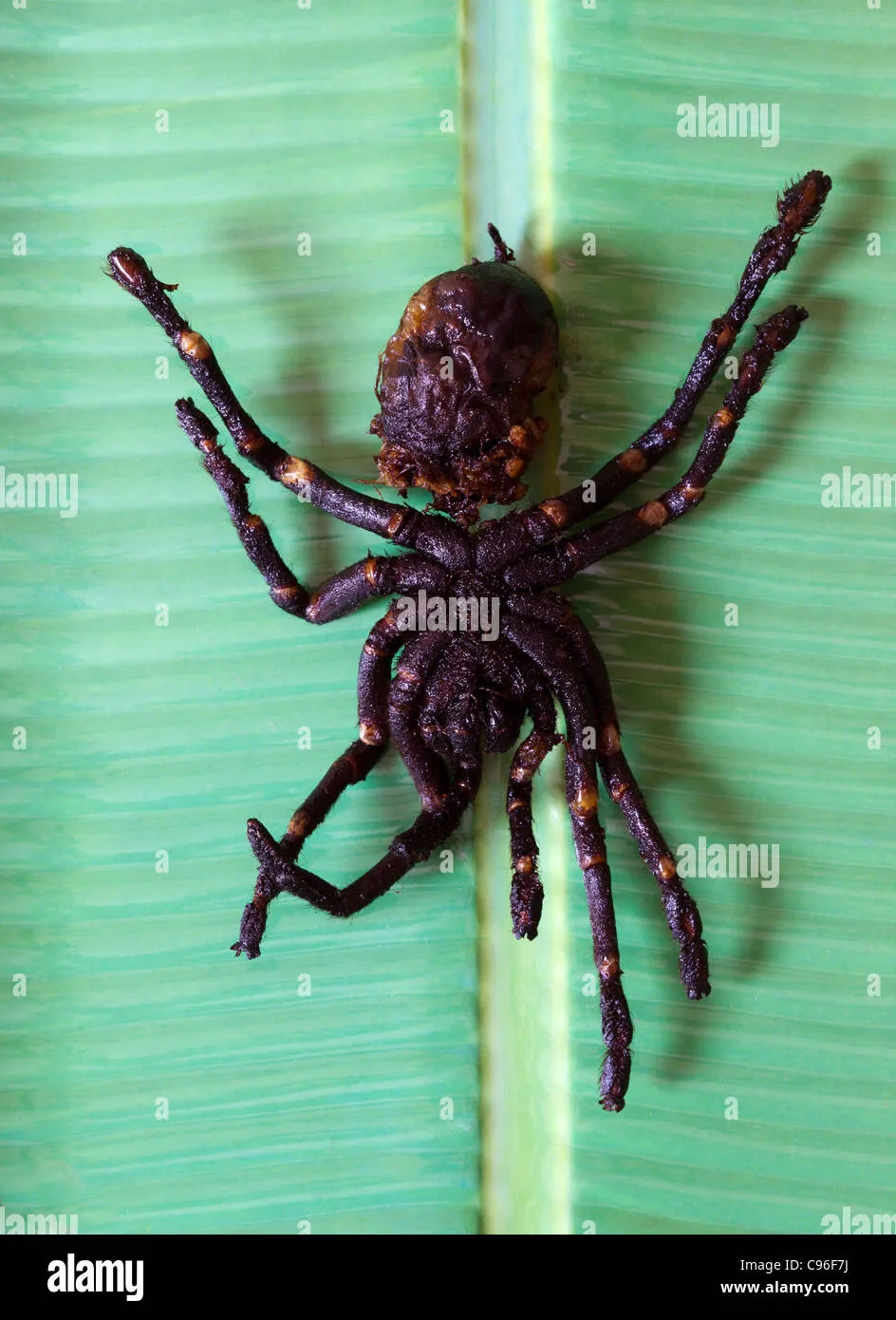
What is the Cambodia Tarantula Spider?
The Cambodia Tarantula Spider, scientifically known as Haplopelma albostriatum, is a fascinating arachnid that captivates both wildlife enthusiasts and researchers. This particular species of tarantula is native to the tropical forests of Cambodia, where it plays a vital role in the local ecosystem. Its existence is a testament to the rich biodiversity of Southeast Asia. These spiders are nocturnal creatures, typically hiding in burrows during the day and emerging at night to hunt. They are known for their impressive size, striking appearance, and unique behaviors. Understanding the Cambodia Tarantula Spider involves appreciating its habitat, lifestyle, and the challenges it faces in the wild. This article will help you explore the captivating world of this unique species.
Physical Characteristics of the Cambodia Tarantula Spider
The physical characteristics of the Cambodia Tarantula Spider are quite remarkable, making it easily identifiable among various spider species. From its size and appearance to its coloration and markings, this spider possesses distinct features that help it thrive in its environment. These characteristics are not only aesthetically interesting but also serve essential functions for its survival, including camouflage, attracting mates, and deterring predators. Understanding these physical traits provides a deeper appreciation of this remarkable creature and its adaptation to the Cambodian landscape. Exploring the physical attributes of the Cambodia Tarantula Spider will give you a great insight into its life.
Size and Appearance

Cambodia Tarantula Spiders are relatively large spiders, with a leg span that can reach up to 6 inches or more in some cases. The females are generally larger than the males. Their bodies are covered in a dense layer of hairs, which provide sensory information and aid in their defense. The overall appearance is robust and imposing, reflecting their predatory nature and their ability to survive in a challenging habitat. They have eight eyes arranged in a specific pattern, which allows them to detect movement and navigate their surroundings. The large size and intimidating appearance are well-suited for both hunting and deterring threats.
Coloration and Markings
The coloration of the Cambodia Tarantula Spider is typically dark brown or black, which provides effective camouflage within the forest floor. This dark hue helps the spider blend in with the leaf litter and shadows, allowing it to ambush prey and avoid predators. Distinct markings, such as subtle patterns or stripes on their legs and abdomen, may be present, providing individual variation within the species. These markings, although less prominent, can play a role in mate recognition. The combination of the dark base color and subtle markings results in an overall appearance that is both functional and aesthetically appealing, reflecting the spider’s adaptation to its environment.
Habitat and Distribution of the Cambodia Tarantula Spider
The Cambodia Tarantula Spider’s habitat and distribution are primarily centered around the tropical forests of Cambodia, where it has carved a niche within the local ecosystem. The spiders are very sensitive to habitat loss and environmental change. The environment they require dictates where they can survive and thrive. Exploring their natural environment will allow us to comprehend their distribution and the specific conditions under which they can flourish. We can better understand the importance of conservation efforts by examining their preferred locations and the factors that limit their range.
Where They Live

Cambodia Tarantula Spiders are primarily found in forested areas, especially those with moist and humid conditions. They prefer environments with abundant leaf litter, where they can build burrows and find shelter. They dig these burrows in the soil, often under tree roots or amongst fallen logs, which helps them to regulate temperature and humidity. The spiders also need access to prey, which influences their choice of habitat. Areas with a high density of insects and other invertebrates are favored locations. This spider’s presence in these habitats underscores its importance to the local ecosystems.
Natural Habitat
The natural habitat of the Cambodia Tarantula Spider is characterized by dense vegetation, high humidity, and a warm climate. These spiders thrive in the undergrowth of tropical forests, where they can find a consistent food supply and protection from the elements. The leaf litter on the forest floor provides essential camouflage and shelter. Their habitat also needs a rich biodiversity, including a variety of insects and other small animals for them to hunt. The presence of clean water sources is also important for their survival. Deforestation and habitat destruction are significant threats, emphasizing the need to protect and conserve the Cambodia Tarantula Spider’s natural environment.
Cambodia Tarantula Spider Behavior and Lifestyle
The behavior and lifestyle of the Cambodia Tarantula Spider are well-adapted to its environment, reflecting a fascinating interplay of survival strategies. They are primarily nocturnal creatures, emerging from their burrows at night to hunt and explore. Understanding their behavior is crucial for conservation. Their lifestyle includes hunting, feeding, and defense mechanisms. These strategies showcase the incredible adaptations that have enabled this species to survive. Examining these aspects of their life provides insight into their relationship with their environment and how they maintain their existence.
Hunting and Feeding Habits

The Cambodia Tarantula Spider is an ambush predator, relying on its speed and venom to capture prey. Their diet mainly consists of insects, but they also consume small vertebrates, such as lizards and rodents. They use their fangs to inject venom, which paralyzes their prey, making it easier to consume. The spiders have a strong sense of vibration, which helps them detect the movement of potential prey. They are opportunistic hunters, adapting their feeding habits to available food sources. Their hunting success is a combination of stealth, speed, and a potent venom. The efficiency of their hunting contributes to the balance of their ecosystem.
Defensive Mechanisms
When threatened, the Cambodia Tarantula Spider has several defensive mechanisms. Their primary defense is to retreat into their burrows. They can also flick urticating hairs from their abdomen, which cause irritation to potential predators. Although not aggressive, they will bite if directly threatened. The venom from the bite is typically not lethal to humans but can cause pain and localized symptoms. These defensive strategies help the spider survive encounters with predators and other threats in its environment. Understanding these mechanisms can help to promote safe and respectful interaction with these creatures.
Cambodia Tarantula Spider Venom
The venom of the Cambodia Tarantula Spider is a crucial element of its predatory behavior, enabling it to subdue and consume prey. Understanding the composition and effects of this venom is essential. The venom contains a complex mix of toxins designed to immobilize the spider’s prey. Its effects vary depending on the size of the prey and the amount of venom injected. Although the venom is not usually fatal to humans, it can cause pain and local reactions. The study of spider venom contributes to medical advancements. The understanding of the Cambodia Tarantula Spider’s venom helps to inform both conservation and safety practices.
Is the Cambodia Tarantula Spider Dangerous?

The Cambodia Tarantula Spider’s venom is not considered highly dangerous to humans. Bites from these spiders typically cause localized pain, swelling, and redness, with symptoms often resolving within a few days. Medical attention is generally not required. However, individuals with allergies to insect bites should exercise caution. It’s important to remember that the spider is not aggressive. The primary risk associated with these spiders is the potential for allergic reactions. Overall, the Cambodia Tarantula Spider poses a relatively low risk to humans, but proper respect and caution should always be exercised.
Impact on Humans
The Cambodia Tarantula Spider has a minimal direct impact on humans. Their bites are not life-threatening. These spiders play a role in the ecosystem and can be appreciated by enthusiasts. Increased contact with humans, particularly through habitat destruction or collection for the pet trade, can have negative impacts. The spiders are often sold as pets, which affects their wild populations. Responsible practices, like avoiding the disruption of their habitats, is the best way to minimize negative interactions with humans. The overall impact remains relatively small when contrasted with the ecological role it plays.
Conservation Status of the Cambodia Tarantula Spider
The conservation status of the Cambodia Tarantula Spider reflects the challenges it faces. Threats to its survival include habitat loss, the pet trade, and climate change. Assessing its conservation status is vital to ensure its survival for future generations. It is important to understand these threats to implement effective conservation efforts. Understanding conservation is key to the sustainable survival of the Cambodia Tarantula Spider.
Threats to Survival

The Cambodia Tarantula Spider faces several threats to its survival. Deforestation and habitat destruction are major concerns, as they directly reduce the spider’s living space and food sources. The pet trade also poses a threat, as the demand for these spiders can lead to over-collection from the wild. Climate change can also affect the spider’s habitat. Addressing these threats is crucial for its survival. Sustainable practices and conservation efforts are key to minimizing the impacts and ensuring the long-term health of the species. Prioritizing conservation will safeguard the survival of the Cambodia Tarantula Spider.
Conservation Efforts
Conservation efforts for the Cambodia Tarantula Spider include habitat protection, sustainable practices, and public awareness campaigns. Protecting and restoring forest habitats is essential. Regulating the pet trade can help to reduce over-collection and protect wild populations. Public education plays a vital role in raising awareness about the importance of this spider and its conservation. By implementing these measures, it is possible to safeguard the Cambodia Tarantula Spider and ensure its survival. Continued dedication to conservation efforts is necessary to maintain the biodiversity of Cambodia’s forests and the ecological balance of the region.