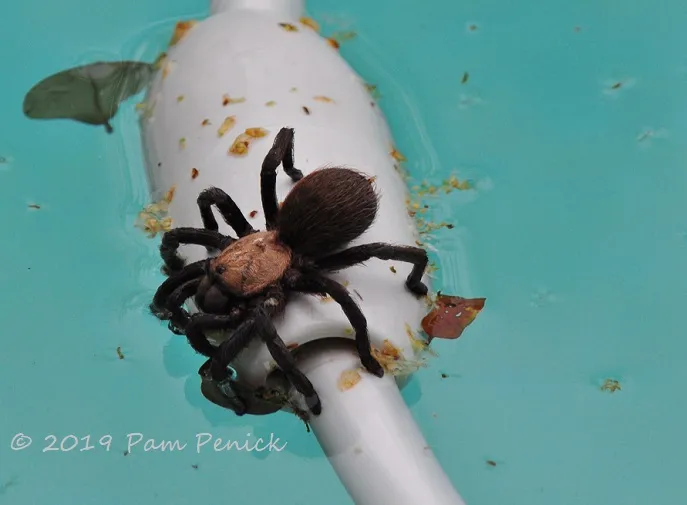
Can Tarantulas Swim? The Basics
The fascinating world of tarantulas often leads to intriguing questions, and one of the most common is whether these hairy arachnids can swim. The answer isn’t a simple yes or no, as it depends on various factors, including the species of tarantula, its natural environment, and the circumstances it finds itself in. While not all tarantulas are adept swimmers, many possess the ability to navigate water to some extent. This ability is crucial for survival, especially in habitats where they may encounter water bodies. Understanding their swimming capabilities provides valuable insight into their behavior, adaptations, and survival strategies. Let’s dive into the details of how these amazing creatures interact with water.
Tarantula’s Natural Habitat
The natural habitat of a tarantula plays a crucial role in determining its relationship with water. Many tarantula species are found in tropical and subtropical regions, where they may encounter environments with high humidity and occasional rainfall. Some species, particularly those living near bodies of water, have developed adaptations to cope with water. Others, living in drier environments, might avoid water altogether. The diverse habitats, from rainforests to deserts, influence how tarantulas interact with water sources. For example, arboreal tarantulas, which live in trees, may encounter water differently than terrestrial species that burrow underground. The characteristics of their native environments shape their behaviors and physical attributes, including their ability to swim.
Aquatic Adaptations

Some tarantulas display aquatic adaptations that enable them to survive and move in water. These adaptations include the ability to trap air bubbles around their bodies, which helps them to stay afloat. The arrangement and density of their setae, or hairs, play a crucial role in this process, with certain types of setae being more water-repellent than others. These specialized hairs create a hydrophobic layer, effectively repelling water and allowing the tarantula to breathe while partially submerged. In addition, some species can slow down their metabolism when in water, conserving energy and oxygen. This suite of adaptations varies from species to species, providing a fascinating glimpse into the evolutionary strategies of these arachnids to thrive in diverse environments, including aquatic ones.
Tarantula Anatomy
A tarantula’s anatomy influences its swimming capabilities. Their bodies are covered in a dense layer of setae, which act as tiny air pockets and help them to float. The shape of their legs, though primarily designed for walking and climbing, also assist in paddling through water. The tarantula’s exoskeleton provides structural support and protection, but it also limits their flexibility in water. Understanding these anatomical features is crucial to comprehending how a tarantula interacts with its aquatic environment. For instance, the density and distribution of setae play a significant role in the arachnid’s buoyancy. Therefore, a tarantula’s anatomy is key to determining its success in water environments, whether it is accidental immersion or active navigation.
How Tarantulas Breathe Underwater
Tarantulas do not have gills like fish, so they cannot breathe underwater in the traditional sense. Instead, they use a combination of trapping air bubbles and slowing their metabolism to survive while submerged. They trap air bubbles around their body using their setae. These air bubbles act as a temporary air supply, allowing them to breathe while under water. They can absorb oxygen from these bubbles, allowing them to remain submerged for a short period. During this time, tarantulas also slow down their metabolism to conserve oxygen. This ability, along with the air pockets formed by their setae, provides a crucial survival mechanism when they encounter water. Tarantulas have evolved innovative strategies to cope with aquatic challenges.
The Role of Setae

Setae, the tiny hairs covering a tarantula’s body, play a crucial role in their swimming ability. These hairs are hydrophobic, meaning they repel water. This water-repelling property helps to create an air layer around the tarantula, enabling it to float and breathe. The density and arrangement of setae vary between species, affecting their swimming proficiency. For some species, the setae’s structure is specifically adapted for aquatic environments, creating larger air pockets that enhance buoyancy. Setae not only help in floating but also assist in maintaining body temperature and reducing the amount of water that can penetrate the tarantula’s exoskeleton. They are an important adaptation to both aquatic and humid environments.
Swimming Styles
Tarantulas employ different swimming styles depending on the species and the situation. Some tarantulas paddle with their legs, using a coordinated motion to propel themselves through the water. The leg movements can vary from slow, deliberate strokes to rapid, frantic movements when they are trying to escape. Other tarantulas rely more on floating and drifting, utilizing the air trapped in their setae to stay afloat. The shape and size of the tarantula influence the swimming style. Some tarantulas may even attempt to climb along submerged objects. Their swimming is not as graceful as that of aquatic animals, but it is effective enough to help them survive. The techniques used depend on the habitat and the tarantula’s specific adaptations.
Tarantulas in the Wild
In the wild, tarantulas often face aquatic environments. They may encounter puddles, streams, or even flooded burrows. Their swimming abilities, therefore, are important for survival. They may need to cross small bodies of water to find food, escape predators, or establish new territories. The ability to navigate water can make the difference between life and death, especially during flash floods or heavy rainfall. The tarantula’s aquatic skills demonstrate their adaptability to different environments. These encounters showcase their remarkable capacity to adapt and survive in challenging conditions, demonstrating the importance of aquatic adaptation.
Threats and Predators in Water

Water can present both opportunities and threats to tarantulas. While they can swim to avoid predators or find new habitats, they also face dangers in water. Predators such as fish, amphibians, and even larger insects can prey on tarantulas in aquatic environments. Flooding can also be a significant threat, washing them away from their burrows or preferred habitats. The longer a tarantula stays in the water, the more vulnerable it becomes, as it will eventually exhaust its air supply. Understanding these environmental risks is essential to understanding the survival strategies of the tarantula, which highlight the delicate balance between adaptation and vulnerability in their natural habitat.
Observing Tarantulas in Water
Observing tarantulas in water can be a fascinating experience. The ways they interact with aquatic environments vary depending on the species and their surroundings. Some might be seen floating passively, while others actively paddle their legs. When observing them, it’s crucial to understand their limitations. Tarantulas are not built for extended swimming, and they can get stressed or even drown if they are forced to stay in water for too long. Therefore, observation should be done with care, with safety being the priority. By understanding the behaviors, you can gain insights into the incredible adaptability of tarantulas.
Caring for a Tarantula in Captivity
When keeping a tarantula as a pet, it is important to provide a suitable environment that mimics its natural habitat, and water is a critical element of care. Captive tarantulas need access to clean water for hydration and humidity regulation. This is usually provided through a shallow water bowl. It is important to understand the needs and limitations of tarantulas with respect to water, as this will help ensure their well-being. Creating an enclosure with the right balance of humidity, temperature, and access to water will contribute to a healthy and happy tarantula. These precautions provide a safe and enriching environment for your pet.
Water Bowls and Humidity

A water bowl is a necessary part of a tarantula’s enclosure, providing a source of fresh water and helping to maintain humidity. The bowl should be shallow enough to prevent drowning, especially for smaller tarantulas. It is essential to regularly clean the water bowl to prevent the build-up of bacteria and other contaminants. Humidity is also an important factor. Different tarantula species require different humidity levels. In a desert environment, humidity control might not be a significant factor, while in a humid environment, controlling the environment is vital. The careful management of humidity will contribute to your pet’s health and well-being. The water bowl, combined with proper enclosure maintenance, creates a comfortable habitat.
Potential Dangers
While water is essential, it can also pose potential dangers to pet tarantulas. The primary risk is drowning if the water bowl is too deep or the tarantula is weak or ill. Additionally, stagnant water can harbor harmful bacteria. Therefore, regular water changes and careful observation of the tarantula’s behavior are essential. Avoid placing the enclosure in areas prone to flooding or excessive humidity. By taking these precautions, you can mitigate the risks and provide a safe and healthy environment for your tarantula. Proper maintenance and precautions ensure a long and healthy life for your pet tarantula.
Myths and Misconceptions
There are many myths and misconceptions about tarantulas, including their swimming abilities. Some people believe tarantulas can swim for extended periods, while others think they are entirely incapable of entering water. These misconceptions often stem from a lack of understanding of their actual abilities and behaviors. These misunderstandings can lead to improper care in captivity or the misinterpretation of tarantula behavior in the wild. The truth is more nuanced, as tarantulas possess some aquatic adaptations but are not aquatic animals. Understanding their actual capabilities helps dispel common myths and promotes a more accurate appreciation for these fascinating creatures.
Common Misconceptions

Common misconceptions about tarantulas include the belief that they are strong swimmers or that they can survive underwater indefinitely. Some people think that all tarantulas can easily cross bodies of water, while others assume they will die immediately upon contact with water. Another misconception is that tarantulas require a lot of water in their enclosure. These misunderstandings arise from a lack of knowledge about their specific adaptations and needs. It is essential to separate fact from fiction to properly care for captive tarantulas or understand their behavior in the wild. Addressing and correcting such misunderstandings are vital for responsible pet ownership and accurate scientific observation.
Dispelling the Myths
Dispelling the myths surrounding tarantula swimming abilities involves examining scientific evidence and observing tarantula behavior. While some species can swim, it’s generally for short periods. Tarantulas do not possess gills and therefore cannot breathe underwater indefinitely. It is the density of their setae and their ability to trap air that allow them to navigate water. Accurate information about their adaptations, behavior, and limitations helps eliminate false assumptions. By understanding their true capabilities, one can appreciate these amazing arachnids in a more informed and responsible way. Educating ourselves about the reality of their swimming capabilities will help separate the myths from the facts.