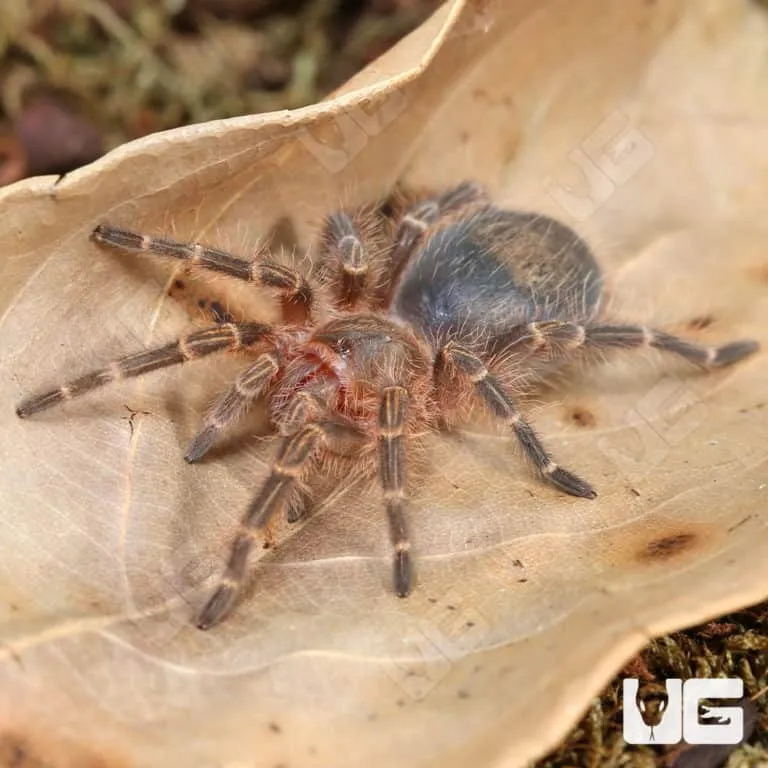
Understanding the Chaco Tarantula
The Chaco Golden Knee Tarantula (Grammostola pulchripes), commonly known as the Chaco Tarantula, is a captivating and relatively docile species, making it a popular choice for beginner and experienced tarantula keepers alike. Native to the grasslands of Argentina and Paraguay, these terrestrial spiders are known for their striking appearance and manageable temperament. Understanding their natural habitat and behavior is the first step in providing the best possible care and ensuring your Chaco Tarantula thrives in captivity. This comprehensive guide will delve into every aspect of Chaco Tarantula care, from creating the perfect habitat to ensuring proper feeding and handling, and also discussing important health considerations.
Appearance and Characteristics
Chaco Tarantulas are renowned for their beautiful coloration. Adults exhibit a velvety black body with distinctive golden or yellowish bands on their legs, hence the name “Golden Knee.” Their carapace (the top part of their body) is typically dark brown, and they possess a robust build. Females tend to be larger than males, with a lifespan of up to 20 years, while males usually live for around 5 years. They are relatively slow-moving spiders, which contributes to their ease of care. Their calm nature makes them less likely to bite or flick urticating hairs, a defense mechanism used by some tarantulas.
Lifespan and Growth

The lifespan of a Chaco Tarantula is a significant factor when considering them as pets. Females can live for an impressive 15 to 20 years, providing long-term companionship for their keepers. Males, on the other hand, have a shorter lifespan, typically around 5 to 7 years. Growth rates vary depending on factors such as feeding frequency, temperature, and overall health. Young tarantulas molt more frequently than adults, shedding their exoskeletons to grow. Regular molting is a sign of a healthy and growing spider. It’s crucial to maintain proper conditions to support their growth and lifespan.
Creating the Perfect Chaco Tarantula Habitat
A well-designed habitat is essential for the health and well-being of your Chaco Tarantula. Mimicking their natural environment will help them thrive. This involves selecting the right enclosure, providing appropriate substrate, decor, and maintaining optimal temperature and humidity levels. Consider that, in the wild, these spiders inhabit burrows in grasslands; therefore, their captive environment should reflect this.
Choosing the Right Enclosure
The size of the enclosure should be appropriate for the size of the tarantula. For a juvenile, a small enclosure, such as a critter keeper or a 5-gallon tank, is suitable. As the tarantula grows, it will need a larger space. For an adult, a 10- to 20-gallon terrarium is generally recommended. Ensure the enclosure has a secure lid to prevent escape. Good ventilation is also important, but avoid enclosures with excessively large ventilation holes, as this can affect humidity levels. The enclosure should be made of clear material, preferably glass or acrylic, for easy viewing.
Substrate and Decor

The substrate is the bedding material in the enclosure, and it serves several purposes, including providing a comfortable surface, aiding in humidity regulation, and allowing the tarantula to burrow if it desires. A mix of coco fiber, peat moss, and a small amount of vermiculite is an excellent choice. This mixture retains moisture well and allows the tarantula to burrow. Provide a depth of at least 4-6 inches of substrate. Decorate the enclosure with a hide, such as a cork bark or a half log, to provide a secure retreat for the tarantula. Artificial plants can also be added for aesthetic appeal and to provide additional hiding spots. Always ensure that the decor is securely placed to prevent it from falling and potentially harming the tarantula.
Temperature and Humidity Control
Maintaining the correct temperature and humidity levels is crucial for the health of your Chaco Tarantula. The ideal temperature range is between 75-85°F (24-29°C). You can use a heat mat placed on the side of the enclosure or an overhead lamp to maintain this temperature. Avoid placing the heat source directly under the enclosure, as this can cause the substrate to dry out too quickly. Humidity levels should be between 60-70%. You can monitor humidity using a hygrometer. Mist the enclosure lightly with dechlorinated water once or twice a week, or as needed, to maintain the appropriate humidity level. Ensure that the enclosure has good ventilation to prevent the buildup of mold and mildew.
Feeding Your Chaco Tarantula
Proper nutrition is essential for the health, growth, and molting of your Chaco Tarantula. They are voracious eaters, and providing the correct type and amount of food is critical. Understanding their dietary needs and feeding habits will help ensure your tarantula thrives in captivity.
What to Feed

Chaco Tarantulas primarily eat insects. Crickets, mealworms, dubia roaches, and locusts are all suitable options. The size of the food item should be appropriate for the size of the tarantula. As a general rule, the insect should be no larger than the tarantula’s body size. Always gut-load the insects before feeding them to your tarantula. Gut-loading involves feeding the insects nutritious foods, such as fruits and vegetables, to provide your tarantula with essential vitamins and minerals. Avoid feeding wild-caught insects, as they may carry parasites or pesticides.
Feeding Frequency
The feeding frequency will depend on the age and size of the tarantula. Spiderlings and juveniles should be fed more frequently than adults. Spiderlings can be fed 2-3 times a week, while juveniles can be fed once or twice a week. Adult Chaco Tarantulas can typically be fed once every one to two weeks. It is important to monitor your tarantula’s feeding habits. If it refuses food, it may be in premolt (preparing to molt) or stressed. Remove any uneaten food within 24 hours to prevent mold and the attraction of pests.
Watering and Hydration
Providing a clean water source is essential for your Chaco Tarantula’s hydration. Always provide a shallow water dish with fresh, clean water. The dish should be shallow enough to prevent drowning. You can use a bottle cap or a small, commercially available water dish. Change the water regularly, at least once a week, to prevent bacterial growth. In addition to the water dish, you can also mist the enclosure lightly to help maintain humidity. Be sure to use dechlorinated water to avoid harming your tarantula. Also, observe your tarantula to ensure it is drinking, particularly after molting.
Handling and Safety

While Chaco Tarantulas are generally docile, it is important to handle them with care and respect. Tarantulas are not naturally cuddly animals, and handling should be kept to a minimum to avoid stressing them. When handling is necessary, it’s essential to understand safe handling practices and recognize signs of stress.
Safe Handling Practices
If you choose to handle your Chaco Tarantula, do so with caution and patience. Always handle them close to the ground or over a soft surface to prevent injury if they fall. Gently encourage the tarantula onto your hand, avoiding sudden movements. Never force the tarantula to move. Wash your hands thoroughly before and after handling to prevent the spread of germs. Remember that each tarantula has its own personality, and some may be more tolerant of handling than others. Always respect your tarantula’s boundaries.
Recognizing Stress Signs
It’s crucial to recognize signs of stress in your Chaco Tarantula. These signs can indicate that the tarantula is uncomfortable or feels threatened. Signs of stress include: flicking urticating hairs (rubbing their legs against their abdomen to release irritating hairs), a defensive posture (raising their front legs and fangs), erratic movements, and refusal to eat. If you observe these signs, it’s best to leave the tarantula alone and avoid handling it. Provide a secure and undisturbed environment to help the tarantula feel safe and relaxed. Frequent stress can negatively impact their health and well-being.
Common Health Issues and Prevention

Like all animals, Chaco Tarantulas can be susceptible to certain health issues. By understanding common problems and taking preventative measures, you can help ensure your tarantula lives a long and healthy life.
Moulting Process and Care
Molting is a natural process where tarantulas shed their exoskeleton to grow. During premolt, the tarantula may stop eating, become lethargic, and their abdomen may appear darker. Create a safe environment by providing plenty of substrate for the tarantula to molt. Do not disturb the tarantula during the molting process. After molting, the tarantula’s new exoskeleton will be soft and vulnerable. Do not feed the tarantula for at least a week after molting to allow its fangs to harden. Remove the old exoskeleton after the tarantula has fully recovered.
Preventing Parasites and Diseases
Preventing parasites and diseases is essential for maintaining your tarantula’s health. Maintain a clean enclosure by removing uneaten food, feces, and any other debris regularly. Quarantine any new tarantulas before introducing them to your existing collection to prevent the spread of potential diseases. Provide a balanced diet and proper environmental conditions to keep your tarantula’s immune system strong. If you notice any signs of illness, such as lethargy, loss of appetite, or unusual behavior, consult with a veterinarian experienced in exotic animals or a knowledgeable tarantula keeper.
Conclusion

Caring for a Chaco Tarantula can be a rewarding experience. By following this comprehensive guide, you can provide your tarantula with the best possible environment, nutrition, and care, leading to a long, healthy, and fulfilling life for your fascinating pet. Remember that each tarantula is an individual, and understanding their specific needs and behaviors is key to successful care. Enjoy the unique experience of keeping these beautiful and relatively low-maintenance creatures.