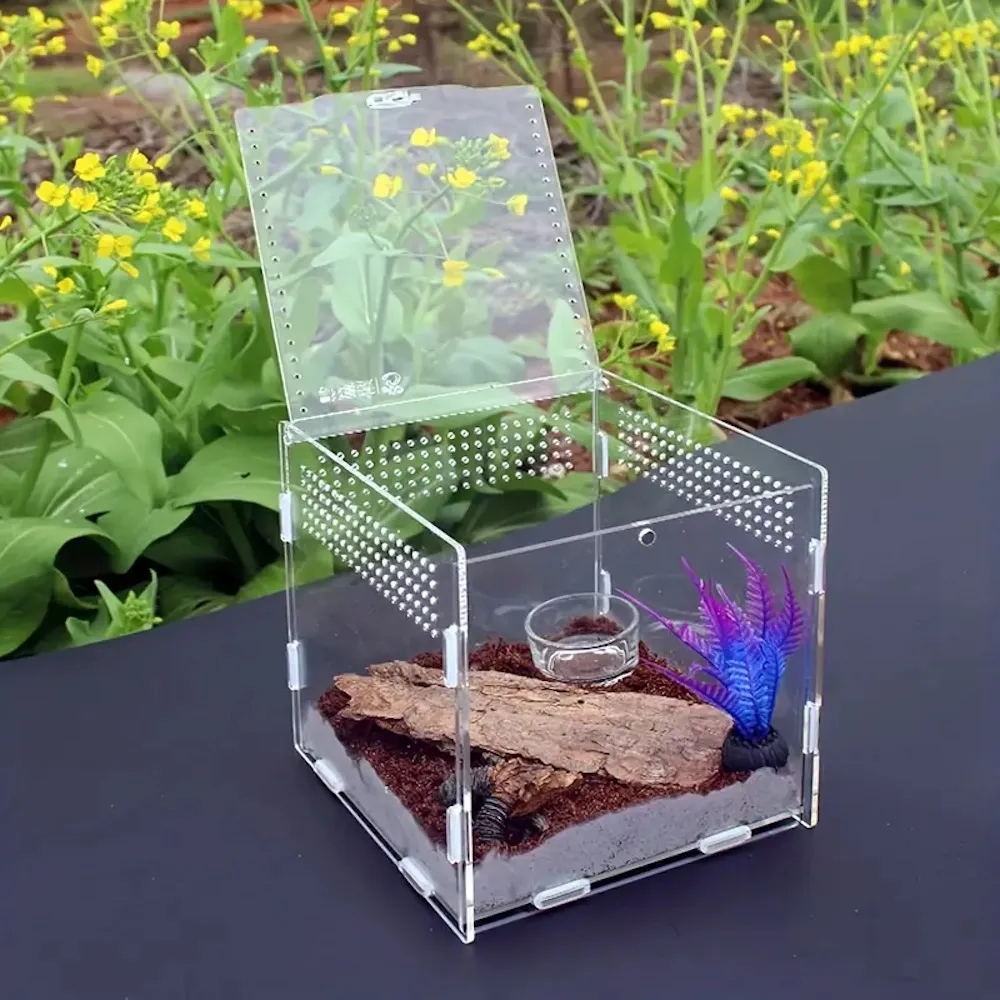
Choosing the Right Chilean Rose Tarantula Enclosure
Setting up a Chilean Rose Tarantula enclosure is the most crucial step in providing a healthy and happy environment for your pet. A well-designed enclosure not only meets the tarantula’s basic needs but also allows you to observe and enjoy your fascinating arachnid companion. This ultimate guide will walk you through every aspect of creating the perfect habitat for your Chilean Rose Tarantula, from selecting the right size and substrate to maintaining optimal temperature and humidity levels. A suitable enclosure mimics the tarantula’s natural environment, promoting its well-being and ensuring its longevity. Careful consideration of the enclosure’s design and equipment is essential to prevent escapes and ensure ease of maintenance. A properly set-up enclosure makes all the difference in the life of your pet.
Size Matters Choosing the Right Enclosure Size
The size of the enclosure is fundamental. A Chilean Rose Tarantula doesn’t require a vast space, but it does need enough room to move around, molt, and feel secure. A good rule of thumb is to choose an enclosure that is at least three times the tarantula’s leg span in width. For a juvenile, a 5-gallon enclosure is often sufficient, while a full-grown adult female will thrive in a 10-gallon or larger enclosure. Avoid enclosures that are too large for smaller tarantulas, as this can make them feel insecure and can potentially lead to difficulty finding food. Remember, the goal is to provide a comfortable and enriching habitat without overwhelming your pet. Furthermore, the enclosure must have a secure lid to prevent escapes, as Chilean Rose Tarantulas are skilled climbers. A well-fitted lid will also help maintain proper humidity levels within the enclosure, which is important for the tarantula’s health and well-being. Finally, a larger enclosure often translates to a more stable environment, which is essential for the long-term health and happiness of your Chilean Rose Tarantula.
Substrate Selection for Your Chilean Rose Tarantula

The substrate serves as the flooring of your tarantula’s enclosure, and it plays a vital role in maintaining humidity, providing a suitable surface for burrowing (if your tarantula is inclined to do so), and absorbing waste. The ideal substrate for a Chilean Rose Tarantula should hold moisture without becoming waterlogged. A mix of coco fiber, peat moss, and a small amount of vermiculite is an excellent choice. These materials are readily available, affordable, and create a naturalistic environment. Avoid using substrates like sand or gravel, as they don’t hold moisture well and can pose a risk of injury if ingested. The substrate depth should be approximately 2-4 inches, allowing the tarantula to burrow and providing a buffer to protect it if it falls. Regularly spot-clean the substrate to remove any uneaten food or waste, and replace the substrate entirely every few months to maintain hygiene and prevent the buildup of harmful bacteria. Correct substrate choice is key to overall enclosure health.
Enclosure Ventilation How to Ensure Proper Airflow
Proper ventilation is crucial for preventing the buildup of mold, bacteria, and stale air within the enclosure. Chilean Rose Tarantulas require fresh air to thrive, and inadequate ventilation can lead to respiratory problems. Ensure that the enclosure has adequate ventilation holes, preferably on the sides or top, but not so large that they compromise security. The size and placement of the ventilation holes should allow for sufficient airflow without causing drafts or significant changes in humidity. Avoid placing the enclosure in direct sunlight or near heat sources, as this can cause the enclosure to overheat and dry out the substrate. Observe the enclosure regularly to ensure that condensation isn’t excessive, which would indicate poor ventilation. If condensation is a problem, increase ventilation by adding more holes or adjusting the enclosure’s location. The goal is to create a balance where the air is fresh without excessive moisture loss, contributing to a healthy and comfortable environment for your tarantula.
Essential Chilean Rose Tarantula Enclosure Equipment
In addition to the enclosure itself and the substrate, several pieces of equipment are necessary to create an ideal habitat for your Chilean Rose Tarantula. These items ensure the tarantula’s well-being, comfort, and overall health. The equipment is important for tarantula’s happiness and health.
Water Dish Providing Hydration

A shallow water dish is essential to provide your tarantula with a constant source of fresh water. Choose a water dish that is stable and easy to clean, such as a small ceramic dish or a plastic lid. The dish should be shallow enough to prevent the tarantula from drowning but deep enough for it to drink comfortably. Fill the water dish with clean, dechlorinated water and replace it regularly, ideally every other day, to prevent the growth of bacteria. Some keepers also place a small sponge in the water dish to provide a surface for the tarantula to climb on and drink from. Regular access to fresh water is critical for the tarantula’s hydration, especially during molting. Make sure water dish is easily accessible.
Hiding Places Creating a Secure Environment
Chilean Rose Tarantulas are crepuscular creatures, meaning they are most active during dawn and dusk, and they appreciate having a secure place to hide during the day. Providing a hideout, such as a piece of cork bark, a half-log, or a commercially available tarantula hide, is crucial for reducing stress and allowing your tarantula to feel safe. The hideout should be large enough for the tarantula to retreat completely inside but not so large that it feels exposed. Place the hideout on the substrate and position it in a way that creates a sense of security. The hideout should not only provide a safe retreat but also contribute to the overall aesthetic of the enclosure. Observing your tarantula in its hideout is a fascinating aspect of tarantula keeping. Hiding place is crucial to tarantula’s well being.
Temperature and Humidity Control for Your Tarantula
Maintaining the correct temperature and humidity levels is critical for the health and well-being of your Chilean Rose Tarantula. The ideal temperature range is typically between 75-85°F (24-29°C), although they can tolerate slightly cooler temperatures. Avoid placing the enclosure in direct sunlight or near heat sources, as this can cause the enclosure to overheat and potentially harm your tarantula. Humidity levels should be maintained between 60-70%. This can be achieved by misting the enclosure with water a few times a week, depending on the ventilation. Use a hygrometer to monitor humidity levels and adjust the misting schedule accordingly. Proper temperature and humidity levels are essential for the tarantula’s molting process and overall health. Monitor the enclosure and adjust its environment accordingly.
Decorating Your Chilean Rose Tarantula Enclosure

While the primary focus of the enclosure should be on the tarantula’s needs, you can also add decorations to create a more aesthetically pleasing environment. Decorating the enclosure can also provide enrichment and opportunities for the tarantula to explore. Use natural materials like cork bark, driftwood, and artificial plants to create a more naturalistic environment. Avoid using sharp objects or anything that could potentially injure the tarantula. Ensure that all decorations are securely placed and won’t tip over. Remember, the primary goal is to create a safe and enriching environment for your pet. Clean decorations or rinse well before placing them in the enclosure. Decorations are not only for looks but for the enrichment of your tarantula.
Naturalistic Enclosure Setup
A naturalistic enclosure setup attempts to mimic the tarantula’s natural habitat. This typically involves using a variety of natural materials, such as cork bark, dried leaves, and branches, to create a visually appealing and functional environment. The goal is to replicate the tarantula’s native environment as closely as possible, which can reduce stress and promote natural behaviors. The use of live plants is possible, though they require careful consideration of lighting, watering, and compatibility with the tarantula. Be certain the plants are non-toxic to tarantulas. Furthermore, consider the specific needs of a Chilean Rose Tarantula when planning the setup. The enclosure must include a hide, water dish, and appropriate substrate. Naturalistic setups are not only beautiful but also contribute to the psychological well-being of your pet. A natural environment can make for a healthier and happier tarantula.
Safety Measures when setting up enclosure
Safety should be a primary consideration when setting up a Chilean Rose Tarantula enclosure. Always handle the tarantula with care, as their bite can be painful, although not usually dangerous to humans. When working inside the enclosure, close the lid or secure the opening to prevent escapes. Avoid using any chemicals or harsh cleaning agents near the enclosure. If you must clean the enclosure, remove the tarantula and clean it in a well-ventilated area. Always wash your hands thoroughly before and after handling the tarantula or its enclosure. By taking these precautions, you can minimize the risk of accidents and ensure the safety of both yourself and your pet. Proper planning helps ensures a safe environment. The tarantula’s safety is paramount.
Feeding and Maintenance of Your Chilean Rose Tarantula

Once the enclosure is set up, it’s important to establish a routine for feeding and maintenance to ensure your Chilean Rose Tarantula’s health and well-being. Proper maintenance will contribute to a long and healthy life.
Feeding Your Tarantula
Chilean Rose Tarantulas are primarily insectivores, so their diet should consist mainly of insects. Crickets, mealworms, and roaches are common choices, and the size of the prey should be appropriate for the tarantula’s size – generally, insects should be no larger than the tarantula’s abdomen. Feed juveniles 2-3 times a week, and adults once or twice a week, adjusting the frequency based on the tarantula’s appetite and body condition. Always remove uneaten insects within 24 hours to prevent them from stressing the tarantula or creating unsanitary conditions. It’s important to dust the insects with calcium and vitamin supplements, particularly for juveniles, to ensure proper nutrition. Proper feeding provides all necessary nutrients.
Cleaning and Maintaining the Enclosure
Regular cleaning and maintenance are essential for a healthy and hygienic enclosure. Spot-clean the enclosure weekly, removing any uneaten food, fecal matter, and dead insects. Replace the substrate every few months, or more frequently if it becomes excessively soiled or contaminated. Wipe down the sides of the enclosure as needed to remove any debris or condensation. Make sure the enclosure is completely dry before putting the tarantula back inside. Avoid using harsh chemicals or cleaning agents, as they can be harmful to the tarantula. Regular maintenance keeps the environment clean and habitable. By maintaining a clean environment, you promote your tarantula’s health.
Understanding Molting and Preparing the Enclosure

Molting is a natural process where the tarantula sheds its exoskeleton to grow. Before molting, the tarantula may become less active, stop eating, and may even flip onto its back. During this time, it’s important to maintain proper humidity levels and avoid disturbing the tarantula. Do not handle or feed the tarantula during this time. Once the molting is complete, the tarantula’s new exoskeleton will be soft and vulnerable. Wait a few days for the exoskeleton to harden before feeding the tarantula. Ensure the enclosure offers ample space for the molt to take place. Preparing for molting is crucial for the tarantula’s survival.
Common Mistakes in Chilean Rose Tarantula Enclosure Setup
Even experienced keepers can make mistakes when setting up a Chilean Rose Tarantula enclosure. Understanding and avoiding common pitfalls can prevent health problems and ensure your tarantula thrives. Here are some of the most frequent errors.
Overcrowding and Its Effects
Overcrowding is a common mistake that can lead to stress, increased aggression, and difficulty maintaining proper hygiene. Avoid housing multiple tarantulas in the same enclosure, especially of different sizes or genders. While some tarantulas may tolerate cohabitation, it’s generally best to provide each tarantula with its individual habitat. Overcrowding can also lead to increased competition for resources, such as food and hiding places, which can further exacerbate stress. Proper spacing is crucial for their well being. Overcrowding causes stress and can lead to serious complications.
Incorrect Substrate Choices

Choosing the wrong substrate is another common mistake. As previously mentioned, substrates like sand and gravel are not ideal for Chilean Rose Tarantulas because they don’t retain moisture well and can pose a risk if ingested. Furthermore, avoid using substrates that contain chemicals or are treated with pesticides. These can be toxic to tarantulas. Opt for a substrate that holds moisture, allows for burrowing, and provides a naturalistic environment. Ensure that the substrate is clean and free of any potential hazards. The right substrate makes a difference for health.
Lack of Proper Ventilation
Insufficient ventilation can lead to a buildup of moisture, mold, and bacteria, creating an unhealthy environment for your tarantula. Ensure that the enclosure has adequate ventilation holes to promote airflow. Avoid blocking ventilation holes or covering them with decorations. Observe the enclosure regularly for signs of excessive condensation or mold growth, which indicates a ventilation problem. Proper ventilation is vital for tarantula health. Regular monitoring is recommended.
In conclusion, setting up the perfect Chilean Rose Tarantula enclosure is a rewarding experience that contributes significantly to your pet’s well-being. By following the guidelines outlined in this guide, you can create a safe, comfortable, and enriching habitat that allows your tarantula to thrive. Remember to prioritize the tarantula’s needs, conduct regular maintenance, and continuously learn about its care. With proper knowledge and dedication, you can enjoy the fascinating world of these beautiful arachnids for years to come.