Chilean Rose Tarantula Top 5 Facts
The Chilean Rose Tarantula (Grammostola rosea), often referred to as the Rose Hair Tarantula, is a popular choice for first-time tarantula owners. Its docile temperament, beautiful appearance, and relatively easy care requirements make it an excellent pet for beginners. However, understanding this fascinating creature involves more than just admiring its beauty. This article will explore the top 5 facts that highlight the unique characteristics of the Chilean Rose Tarantula, providing a deeper understanding of its life, behavior, and needs. From its physical attributes and native habitat to its dietary preferences and molting process, we’ll uncover everything you need to know to appreciate and care for this captivating arachnid.
Appearance and Identification
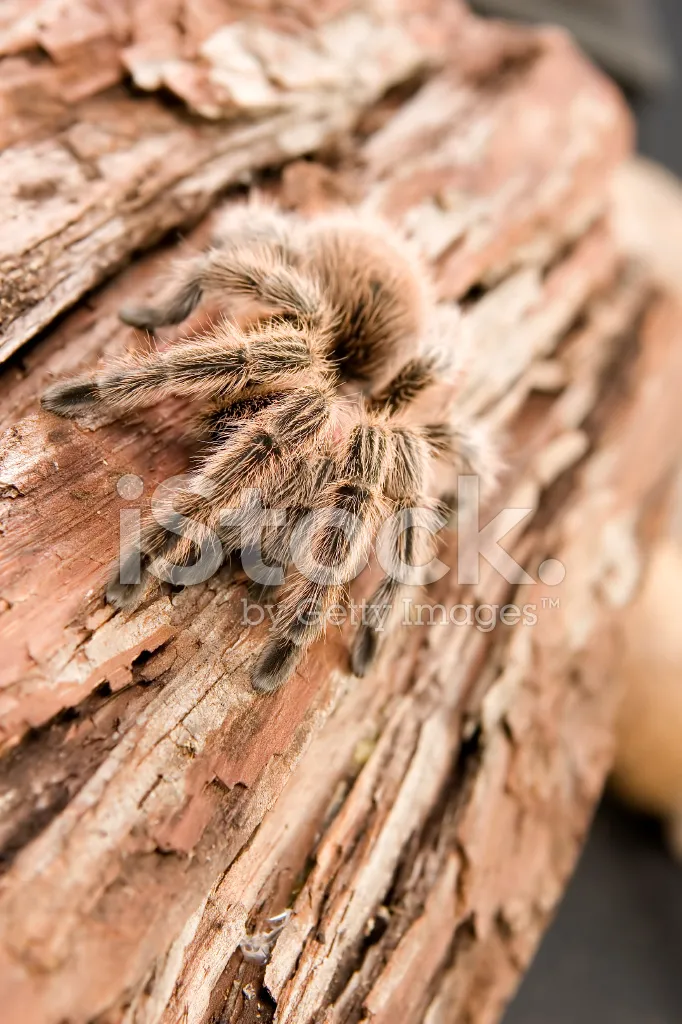
Identifying a Chilean Rose Tarantula starts with recognizing its distinctive appearance. These tarantulas are known for their overall brownish coloration, often with pinkish or reddish hairs that give them a rose-like hue, especially when viewed under certain lighting. The color intensity can vary between individuals and can also be affected by factors such as age, diet, and even the tarantula’s mood. These tarantulas have a robust build, with a hairy body and legs, typical of the tarantula family. Their bodies are covered in fine setae (hairs), which play a role in their sensory perception, helping them to detect vibrations and air movements in their environment. These hairs are not only for sensory purposes, but also have a defensive function, as the tarantula can flick them off the abdomen toward potential threats.
Size and Coloration

Adult Chilean Rose Tarantulas typically reach a leg span of 5 to 6 inches (13 to 15 cm). The coloration of a Chilean Rose Tarantula can vary, but they generally display shades of brown, tan, and pinkish hues. Their bodies are covered in hairs that can range from a light tan to a deeper reddish-brown. The density and color of these hairs give each tarantula a unique appearance, with some exhibiting a more pronounced rose coloration, particularly on the carapace (the upper part of the cephalothorax) and the legs. The intensity of the rose color can fluctuate depending on the individual tarantula and environmental factors. Coloration is also affected by the tarantula’s age and the timing of its molts, with the colors often becoming more vibrant after a molt.
Lifespan and Growth
One of the intriguing aspects of the Chilean Rose Tarantula is its lifespan. Females have a considerably longer lifespan than males. Females can live for 10 to 20 years, sometimes even longer, making them a long-term commitment. Males, on the other hand, typically live for only 2 to 5 years, as their lives are shorter after reaching maturity and mating. The growth rate of a Chilean Rose Tarantula is influenced by factors such as feeding frequency, temperature, and humidity. They undergo a molting process, where they shed their exoskeleton to grow. Young tarantulas molt more frequently, while adults molt less often, usually once a year or less. The molting frequency decreases as the tarantula matures, with adults molting perhaps once a year, or even less frequently, depending on conditions.
Habitat and Native Region
Chilean Rose Tarantulas are native to the arid and semi-arid regions of Chile, Argentina, and Bolivia in South America. They are well-adapted to these environments, which are characterized by dry conditions and moderate temperatures. In their natural habitat, these tarantulas live in burrows they create underground or often utilize existing shelters like rock crevices or under fallen logs. Their behavior is influenced by their natural surroundings. Understanding the habitat and native region helps to provide the appropriate environment for them in captivity. Replicating their natural environment in captivity ensures their health and well-being. The ability to understand their natural environment is essential to ensure the appropriate care that promotes their health and longevity in a captive environment.
Natural Environment

In their native habitat, Chilean Rose Tarantulas are found in arid and semi-arid environments, where they dig burrows in the ground or seek shelter under rocks and logs. The climate in these regions is typically dry, with temperatures ranging from moderate to warm. The spiders are nocturnal hunters, spending the day in their burrows to avoid the heat and predators, emerging at night to hunt for insects and other small prey. The soil composition also plays a vital role in their habitat, as it provides the necessary structure for their burrows and helps to regulate the temperature and humidity. The availability of food sources, such as insects and small invertebrates, is also crucial to their survival. These tarantulas are well-adapted to their natural environment, exhibiting behaviors that allow them to thrive in their native habitats. Understanding these conditions is key to replicating a healthy environment in captivity.
Ideal Enclosure Setup
When keeping a Chilean Rose Tarantula in captivity, it is essential to provide an appropriate enclosure. A ten-gallon tank is generally sufficient for an adult. The enclosure should be secure, with a tight-fitting lid to prevent escape. Substrate, such as a mixture of coconut fiber, peat moss, and vermiculite, should be used to provide a burrowing medium and to help maintain humidity. A shallow water dish should be provided, and it should be kept clean. Decorations, such as cork bark or artificial plants, can provide hiding places and enrichment. Temperature is important, with a range between 75 to 85 degrees Fahrenheit (24 to 29 degrees Celsius) being ideal. Humidity levels should be kept relatively low, around 60 to 70 percent, to mimic their natural habitat. Proper enclosure setup ensures the tarantula’s well-being and allows it to exhibit its natural behaviors.
Temperament and Behavior
Chilean Rose Tarantulas are known for their docile temperament. They are generally considered to be one of the most beginner-friendly tarantula species due to their relatively calm nature. While they are not typically aggressive, it’s important to remember that they are still wild animals and should be treated with respect. They are primarily nocturnal, spending most of the day hidden in their burrows or under cover, and becoming more active during the night. Their behavior includes feeding habits, defensive behaviors, and responses to environmental changes. Understanding their temperament and behavior enables the owner to understand the tarantula’s needs, and to provide an environment that promotes its health and happiness.
Handling and Interaction

While Chilean Rose Tarantulas are generally docile, handling them should be done with caution. It is recommended that handling be kept to a minimum, as it can stress the tarantula. If you choose to handle your tarantula, do so gently and carefully, and always supervise it closely. Avoid sudden movements and loud noises, as they can startle the tarantula. Handling should be done over a soft surface, such as a bed or a carpet, in case the tarantula falls. Wash your hands thoroughly before and after handling to avoid transferring any substances or odors that may be harmful to the tarantula or cause it to react defensively. If the tarantula displays any signs of distress, such as raising its front legs or flicking hairs, it should be gently returned to its enclosure. By understanding their behavior and handling them responsibly, you can enjoy the companionship of a Chilean Rose Tarantula while ensuring its safety and well-being.
Defensive Behaviors
Chilean Rose Tarantulas have several defensive behaviors. One of the most common is flicking urticating hairs from their abdomen. These hairs are irritating to the skin and can cause discomfort if they come into contact with a person or animal. They may also raise their front legs and show their fangs as a warning. In more extreme cases, they might bite. Understanding these defensive behaviors allows keepers to be prepared and to avoid actions that might provoke a defensive response. Avoiding sudden movements, loud noises, and direct handling, particularly when the tarantula is stressed or molting, can reduce the likelihood of triggering a defensive reaction. If a tarantula does flick hairs, it is essential to avoid touching your eyes or face, and thoroughly wash any affected areas with soap and water. Knowledge of these defensive behaviors helps in providing a safe and stress-free environment for both the tarantula and its keeper.
Diet and Feeding Habits
The diet of a Chilean Rose Tarantula primarily consists of insects. Crickets, mealworms, and roaches are all suitable options. The size of the prey should be appropriate for the size of the tarantula. Young tarantulas should be fed smaller prey, while adults can handle larger insects. It is also important to ensure that the prey is properly gut-loaded with nutritious food before being fed to the tarantula. This provides the tarantula with essential vitamins and nutrients. Providing a varied diet can help ensure the tarantula gets the full range of nutrients. It’s equally important to remove uneaten prey within 24 hours to prevent stress on the tarantula. A healthy diet is essential to maintaining the tarantula’s health and promoting its growth and longevity.
Preferred Prey

Chilean Rose Tarantulas are primarily insectivores, and their preferred prey consists of a variety of insects. Crickets, mealworms, and cockroaches are the most common and readily available food sources for these tarantulas. The choice of prey can depend on availability and the spider’s size. Young tarantulas need smaller prey, such as small crickets or mealworms, while adults can consume larger insects. The nutritional value of the prey is important, and it can be enhanced through gut-loading, where the insects are fed a nutritious diet before being offered to the tarantula. Supplementing their diet with a variety of prey types can help provide a more balanced nutritional intake. Offering a range of prey options can also stimulate the tarantula’s natural hunting instincts, contributing to its overall well-being.
Feeding Frequency
The frequency of feeding a Chilean Rose Tarantula depends on its age and size. Young tarantulas should be fed more frequently, usually every other day or every day, as they are actively growing. Adult tarantulas can be fed less often, typically once or twice a week. Observing the tarantula’s behavior and appearance helps in determining the appropriate feeding schedule. A tarantula that is consistently refusing food may be approaching a molt, and the feeding frequency should be adjusted accordingly. The amount of food offered should also be adjusted, with adults being able to consume larger prey items. It’s crucial to remove any uneaten food within 24 hours to prevent stress and potential health issues. Regular monitoring of the tarantula’s feeding habits helps in ensuring a healthy and balanced diet.
Molting and Shedding
Molting is a natural process for Chilean Rose Tarantulas, in which they shed their exoskeleton to allow for growth and to get rid of parasites. The molting process can be stressful for the tarantula, and it is important to create a safe environment during this period. The frequency of molting decreases as the tarantula matures. Younger tarantulas molt more frequently, while adults may only molt once or twice a year. It is important to maintain proper humidity and temperature levels, especially during the molting process, to ensure that the tarantula is able to shed its exoskeleton successfully. The shed exoskeleton provides valuable information about the tarantula’s health and growth. Understanding the molting process, preparing for it, and providing proper post-molting care is essential for the health and well-being of a Chilean Rose Tarantula.
The Molting Process

The molting process is an essential part of a Chilean Rose Tarantula’s life cycle. Before a molt, the tarantula may become less active, stop eating, and spend more time in its burrow. The tarantula then creates a molting mat by spinning silk, and it lies on its back to shed its old exoskeleton. The process can take several hours, or even a full day, depending on the size and age of the tarantula. During the molt, the tarantula is extremely vulnerable, as it cannot move or defend itself. The new exoskeleton is soft and pliable, and the tarantula remains hidden for several days while it hardens. Providing a safe, undisturbed environment is essential during this time. Once the exoskeleton has hardened, the tarantula will emerge with brighter colors and a larger size. The shed exoskeleton is a complete replica of the tarantula’s exterior, including the exuviae of the spinnerets.
Post-Molting Care
After molting, the Chilean Rose Tarantula requires special care. The tarantula’s new exoskeleton is soft and fragile for a few days, so it is important to avoid handling or disturbing it during this period. Providing adequate humidity is essential to allow the new exoskeleton to harden properly. It is also a good time to offer the tarantula food, as it will have an increased appetite. However, it’s important to ensure that the prey is not too large or difficult to catch, as the tarantula’s fangs and chelicerae may still be soft. Regularly check the water dish and substrate to ensure optimal conditions. Once the tarantula has fully hardened, its appetite will return to normal, and it will be ready to resume its regular feeding schedule. Proper post-molting care is crucial for the tarantula’s health and overall well-being, helping it to thrive after the vulnerable molting process.