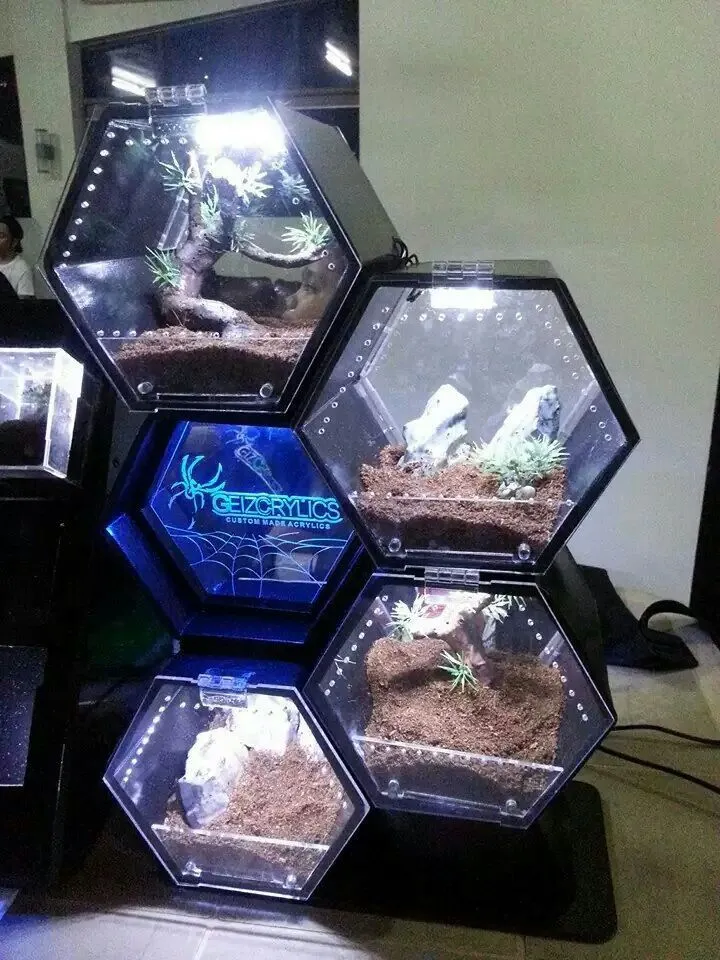
Tarantulas, fascinating creatures with their impressive size and captivating behaviors, make popular pets for both novice and experienced keepers. One of the most common challenges encountered by tarantula owners is preventing their eight-legged friends from climbing the walls of their enclosure. While occasional climbing might seem harmless, excessive climbing can be a sign of stress, poor environmental conditions, or simply a need for a more suitable habitat. Understanding why tarantulas climb and implementing effective strategies to address this behavior is crucial for the well-being and comfort of your pet. This article provides five essential tips to manage tarantula climbing, ensuring a happy and healthy environment for your tarantula. Keeping your tarantula from climbing can significantly improve their quality of life and help you observe them in their best condition.
Why Tarantulas Climb Tank Walls
Understanding the reasons behind tarantula climbing is the first step toward solving this issue. Tarantulas, being terrestrial creatures, are not naturally inclined to climb unless driven by specific needs or environmental factors. Recognizing these triggers can help you identify and correct any issues within the enclosure. The reasons are often related to the tarantulas’ basic needs and comfort levels. Providing the correct conditions can significantly affect whether or not your tarantula feels the need to climb.
Understanding Tarantula Behavior
Tarantula behavior is complex and influenced by numerous factors, including species, age, and environmental conditions. Observing your tarantula’s behavior, such as its activity levels, feeding habits, and overall demeanor, can provide valuable insights into its well-being. A healthy tarantula will typically spend its time on the substrate, exploring or resting, rather than constantly attempting to scale the enclosure walls. Changes in behavior, especially persistent climbing, warrant a closer inspection of the tarantula’s habitat and care routine.
Common Reasons for Climbing

Several factors can contribute to a tarantula’s urge to climb. One of the most common reasons is stress, often caused by inadequate environmental conditions like improper temperature, humidity, or lack of hiding places. If a tarantula feels exposed or threatened, it may attempt to escape its enclosure. Additionally, a tarantula might climb in search of more comfortable conditions if its current environment is not ideal. This could include seeking cooler temperatures or a more humid environment. Sometimes the climbing is related to molting, where the tarantula is seeking a better position to shed its exoskeleton. Another factor is the tarantulas can simply be exploring the tank looking for food.
Tip 1 Provide Proper Ventilation
Proper ventilation is essential for maintaining a healthy environment inside a tarantula enclosure, and it directly impacts your tarantula’s well-being. Adequate airflow helps to regulate humidity, prevent the buildup of harmful gases, and reduce the risk of mold and fungal growth. Poor ventilation can lead to a stuffy environment, which can stress the tarantula and encourage climbing behavior. Good ventilation is critical for your tarantula’s health.
Importance of Ventilation
Ventilation is vital for several reasons. Firstly, it helps control humidity levels. Excessively humid conditions can lead to respiratory problems and fungal infections. Secondly, proper airflow ensures that fresh air circulates throughout the enclosure, preventing the buildup of ammonia and other toxic gases produced by the tarantula’s waste. Finally, ventilation helps to regulate temperature, preventing the enclosure from becoming too hot or too cold.
How to Ensure Adequate Ventilation

To ensure adequate ventilation, consider the design of the enclosure. Most tarantula enclosures are designed with either cross-ventilation or top ventilation. Cross-ventilation involves air entering from one side and exiting from the other, while top ventilation relies on airflow through the top of the enclosure. Ensure that the ventilation openings are appropriately sized and positioned to allow for optimal airflow. You might need to adjust ventilation based on your local climate and the specific needs of your tarantula species. Monitoring humidity levels with a hygrometer is also essential.
Tip 2 Offer Textured Surfaces
Providing textured surfaces within the enclosure gives your tarantula options, and they can reduce the urge to climb the smooth walls. Textured surfaces mimic a more natural environment, allowing the tarantula to feel secure and less inclined to seek out climbing opportunities on the enclosure walls. This is particularly important for terrestrial species, which are not accustomed to climbing in their natural habitats. The goal is to make the tarantula more comfortable and secure in its environment.
The Benefits of Textured Surfaces
Textured surfaces offer multiple benefits. They provide the tarantula with grip, making it easier for them to move around the enclosure without slipping. This can reduce stress and prevent injuries from falls. Moreover, textured surfaces create a more enriching environment by providing visual and tactile stimulation. This encourages natural behaviors, like exploration and burrowing, which can further reduce climbing. Textured surfaces allow the tarantula to feel more secure, reducing stress and the inclination to climb.
Best Materials for Textured Surfaces

Several materials can be used to create textured surfaces. Cork bark is an excellent option because it offers a natural look and provides ample climbing opportunities. Driftwood, rocks, and artificial plants can also be used to add texture and visual interest to the enclosure. Be sure to select materials that are non-toxic, safe for tarantulas, and easy to clean. When choosing materials, prioritize safety and ensure that the tarantula has ample opportunities to explore and interact with its environment. Ensure the materials are secure and won’t fall on the tarantula.
Tip 3 Adjust Temperature and Humidity
Temperature and humidity are crucial environmental factors that significantly impact a tarantula’s behavior and well-being. Maintaining the correct temperature and humidity levels helps create a comfortable and healthy environment, reducing the likelihood of climbing. Inappropriate temperature and humidity can cause stress, leading the tarantula to seek more favorable conditions, often by attempting to climb the enclosure walls. Monitoring and adjusting these factors are key to preventing climbing.
Ideal Temperature and Humidity Levels
The ideal temperature and humidity levels vary depending on the tarantula species. Research the specific requirements of your tarantula species to determine the optimal range. Generally, most tarantulas thrive in temperatures between 75°F and 85°F (24°C and 29°C), and humidity levels between 60% and 80%. Use a thermometer and a hygrometer to monitor temperature and humidity levels. If your tarantula is climbing the walls of the tank, check the temperature and humidity.
How to Monitor and Adjust

Use a reliable thermometer and hygrometer to monitor temperature and humidity. Place the thermometer and hygrometer inside the enclosure, away from direct heat sources or drafts, to get accurate readings. Adjust the temperature using a heat source like a heat mat or a ceramic heat emitter. Increase humidity by misting the enclosure with water or by providing a water dish. Decrease humidity by increasing ventilation. Regular monitoring and adjustments are essential to maintain optimal conditions and keep your tarantula happy and healthy.
Tip 4 Appropriate Substrate
Choosing the right substrate is essential for creating a suitable environment for your tarantula, as it directly impacts its well-being and behavior. The substrate serves multiple purposes, including providing a surface for the tarantula to walk on, burrow in, and regulate humidity. The right substrate can reduce stress and the urge to climb. The wrong substrate can also cause climbing.
Best Substrate Choices
The best substrate choices depend on the tarantula species and its specific needs. Common substrate options include coconut fiber, peat moss, vermiculite, and a mixture of these materials. Coconut fiber is a popular choice because it holds moisture well and provides a naturalistic appearance. Peat moss is another good option, but it can be more acidic, so it’s important to monitor the pH levels. Vermiculite is excellent for maintaining humidity, but it should be mixed with other substrates for better texture. Avoid substrates that contain harmful chemicals or that could be toxic to tarantulas. The best substrates are the ones that best support your tarantulas’ health and natural behaviors.
Substrate Depth and its Impact

The depth of the substrate is a crucial factor, especially for burrowing species. A deeper substrate allows the tarantula to create burrows and feel secure. The depth of the substrate should be at least equal to the leg span of the tarantula, and for burrowing species, it should be even deeper. Ensure the substrate is not too compacted, which can make it difficult for the tarantula to burrow. Provide plenty of depth for the tarantula to feel safe and comfortable. Adjust the substrate depth according to your tarantulas’ needs.
Tip 5 Consider Tank Size and Design
The size and design of the tank play a significant role in preventing tarantulas from climbing. An appropriately sized enclosure provides ample space for the tarantula to move around, explore, and feel comfortable. A well-designed enclosure incorporates features that encourage natural behaviors and reduce stress. Inappropriately sized or poorly designed enclosures can lead to stress, which can manifest as climbing. Choosing the right size and design is essential.
Tank Size Recommendations Based on Species
The ideal tank size depends on the species and size of the tarantula. For smaller species, a 10-gallon tank may suffice, while larger species may require a 20-gallon or even a larger enclosure. Ensure the enclosure is long enough to accommodate the tarantula’s leg span and wide enough for it to move around comfortably. Avoid overcrowding the enclosure, as this can lead to stress and climbing. Research the specific size requirements for your tarantula species and select an enclosure that meets its needs.
Optimal Tank Design for Climbing Prevention
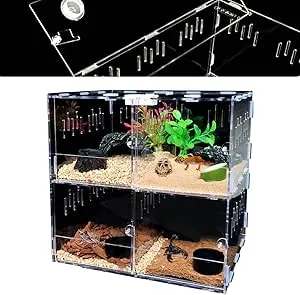
The tank design should incorporate features that encourage natural behaviors and reduce climbing. Include plenty of hiding places, such as cork bark, artificial plants, or hides, to provide security. Provide textured surfaces to give the tarantula a better grip and reduce the urge to climb the smooth walls. Ensure the enclosure is well-ventilated and offers appropriate temperature and humidity levels. By creating an environment that meets the tarantula’s needs, you can significantly reduce the likelihood of climbing and create a more enriching habitat.
In conclusion, managing tarantula climbing requires a holistic approach that addresses the underlying causes of this behavior. By implementing the five tips outlined in this article – providing proper ventilation, offering textured surfaces, adjusting temperature and humidity, choosing the appropriate substrate, and considering the tank size and design – you can create an ideal environment for your tarantula. A happy tarantula is a healthy tarantula, and by providing for their needs, you can enjoy watching these fascinating creatures thrive in their enclosures. Remember, patience and observation are key. Every tarantula is unique, and it may take time and experimentation to find the perfect combination of elements to keep your tarantula happy and grounded. Continuous monitoring of your tarantula’s habitat and behavior will ensure a thriving and comfortable life for your pet.