What is a Cobalt Blue Tarantula?
The Cobalt Blue Tarantula (Cyriopagopus lividus) is a striking species of tarantula native to the tropical forests of Myanmar and Thailand. Known for its brilliant metallic blue coloration, this spider is a popular choice among experienced arachnid enthusiasts. Despite its beauty, the Cobalt Blue Tarantula is considered to be a more challenging species to keep than some other tarantulas due to its temperament and specific environmental needs. Their captivating appearance and intriguing behaviors make them a fascinating subject for study and observation, provided their care requirements are met.
Appearance
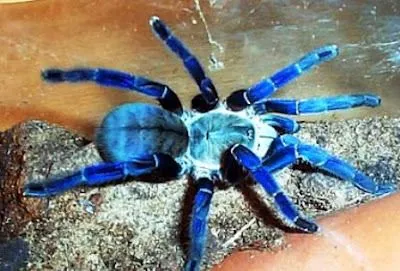
The most defining feature of the Cobalt Blue Tarantula is, of course, its stunning coloration. Mature adults display a vibrant metallic blue hue that covers their legs, carapace, and sometimes even their opisthosoma (abdomen). This vivid coloration is what sets them apart and makes them so highly sought after in the pet trade. The intensity of the blue can vary depending on the individual spider’s age, health, and molting cycle. The contrast between the blue and the darker body parts can create a truly mesmerizing effect, making them a visually stunning addition to any collection.
Coloration

The blue color of the Cobalt Blue Tarantula is not a pigment, but rather a result of structural coloration. This means that the color is produced by the physical structure of the spider’s exoskeleton, which scatters light in a way that creates the blue appearance. The exact mechanisms behind this phenomenon are still being studied, but it’s known that the arrangement of nanostructures within the exoskeleton plays a crucial role. This iridescent effect gives them a unique shimmer, and it can appear to change slightly depending on the angle and lighting. This incredible natural phenomenon contributes to the spider’s overall allure and beauty.
Size and Lifespan
Cobalt Blue Tarantulas are a medium-sized tarantula species. Females typically reach a leg span of around 5-6 inches (13-15 cm), while males tend to be slightly smaller. In terms of lifespan, female Cobalt Blue Tarantulas can live for up to 12 years or even longer under optimal conditions, while males have a significantly shorter lifespan, often living only a few years after reaching maturity. Careful attention to their environment, diet and overall health is essential to maximize their lifespan and ensure a good quality of life.
Habitat and Origin
Cobalt Blue Tarantulas originate from the tropical forests of Myanmar and Thailand, where they inhabit burrows in the ground and live in a humid, terrestrial environment. Understanding their natural habitat is critical to providing the correct care in captivity. These spiders are well-adapted to a specific set of environmental conditions. Replicating these conditions is essential for their health and well-being in a captive setting. Mimicking their natural environment involves providing appropriate temperature, humidity, and substrate to allow the tarantula to thrive.
Natural Habitat

In their natural habitat, Cobalt Blue Tarantulas live in burrows they create in the ground or find in the root systems of trees. These burrows provide shelter from predators and the elements. The climate in their native range is warm and humid, with relatively stable temperatures throughout the year. They typically live in areas with dense vegetation and high rainfall, which contributes to the elevated humidity levels they require. The substrate in their natural environment is rich in organic matter, providing a source of food and a substrate to burrow in.
Ideal Enclosure
When keeping a Cobalt Blue Tarantula in captivity, a well-designed enclosure is critical to its well-being. A secure enclosure is required because the spider is a burrowing species, so a substrate depth of at least 6-8 inches (15-20 cm) is recommended to allow for burrowing behavior. The enclosure should also provide good ventilation to prevent the buildup of humidity. The size of the enclosure should be appropriate for the size of the spider, with a larger enclosure being preferable for adults. Ensuring adequate humidity and temperature is crucial. This also should be a secure and escape-proof enclosure. The enclosure should be well-ventilated, and an appropriate temperature gradient is essential to help the tarantula thrive.
Behavior and Temperament
Cobalt Blue Tarantulas are known for being defensive and can be quite skittish. They are fast and can be prone to biting if provoked. They can display a threat pose, which involves raising their front legs and fangs, signaling their readiness to defend themselves. Due to their temperament, it’s recommended that handling of a Cobalt Blue Tarantula is kept to a minimum, especially for inexperienced keepers. Understanding their behavior helps to create a safe environment, and it makes handling predictable and safe, contributing to a more enjoyable experience for both the tarantula and the keeper.
Defensive Mechanisms

When threatened, the Cobalt Blue Tarantula, like many tarantulas, will use several defensive mechanisms. They may attempt to flee. Their speed can make them difficult to catch. If they feel cornered, they may display a threat posture, raising their front legs and fangs as a warning. Unlike some other tarantula species, Cobalt Blues do not have urticating hairs, which are used by other species to irritate potential predators. The primary means of defense is biting, and their venom can cause localized pain, muscle cramps, and other symptoms.
Venom Potency
The venom of the Cobalt Blue Tarantula is considered to be of moderate potency. While not typically life-threatening to humans, a bite can be painful and can cause symptoms such as localized pain, muscle cramps, and swelling at the bite site. The severity of the reaction can vary depending on the individual and the amount of venom injected. It is important to seek medical attention if you are bitten by a Cobalt Blue Tarantula, especially if you experience any severe symptoms or an allergic reaction. Preventative measures, such as avoiding handling the spider unnecessarily and maintaining a safe distance, are best practices.
Diet and Feeding Habits
Understanding the dietary needs of the Cobalt Blue Tarantula is critical for its health and well-being. In both the wild and captivity, the tarantula is a carnivore, and it feeds primarily on insects. Providing a proper diet that meets its nutritional needs contributes to its growth, molting, and overall health. Regular feeding and monitoring the spider’s feeding response is essential to ensure that it is getting adequate nourishment. Adjustments to the diet may be needed as the spider grows and matures.
Diet in the Wild
In their natural habitat, Cobalt Blue Tarantulas are opportunistic predators that feed on a variety of insects and other small invertebrates. Their diet typically consists of crickets, beetles, moths, and other prey that they can ambush or actively hunt. The spiders use their fangs to inject venom into the prey to immobilize it. They also use digestive enzymes to break down the prey from the inside, making it easier to consume. They are also known to eat other small animals when available.
Feeding in Captivity
In captivity, Cobalt Blue Tarantulas should be fed a diet of live insects. Commonly used food options include crickets, cockroaches, mealworms, and locusts. The size of the prey should be appropriate for the size of the spider. Spiderlings require smaller insects, while adults can consume larger prey. Feeding frequency depends on the age and size of the spider, but in general, juveniles should be fed 2-3 times a week, while adults can be fed once a week or every other week. Overfeeding should be avoided. Always remove any uneaten prey from the enclosure to prevent stress to the tarantula. Additionally, provide a shallow water dish filled with clean water at all times.
Molting and Growth
Molting is a crucial process in the tarantula’s life cycle. As the spider grows, it sheds its exoskeleton to make way for a new, larger one. Understanding the molting process and the different growth stages helps keepers to provide the appropriate care and to recognize any potential issues. During this process, the tarantula is vulnerable and requires a stable environment. The frequency of molting decreases as the spider ages. Keeping a close eye on your tarantula during this time is crucial, and providing them with the environment to complete this process successfully is vital for their health and longevity.
The Molting Process

Prior to molting, the Cobalt Blue Tarantula will typically stop eating and may appear lethargic. The spider will often spend more time in its burrow or hiding spot. The molting process itself can take several hours, or sometimes even longer. During the molt, the tarantula will lie on its back and push out of its old exoskeleton. The new exoskeleton is soft and vulnerable at this stage. After molting, the spider will remain in its burrow until its new exoskeleton hardens, which can take several days. During this period, it’s best not to disturb the spider and avoid feeding. Proper humidity is critical to a successful molt.
Growth Stages
Cobalt Blue Tarantulas, like all tarantulas, go through several growth stages. Spiderlings are the youngest, and they molt frequently as they grow. As they mature, the frequency of molting decreases. The size of the tarantula increases significantly after each molt. The intensity of the blue coloration also often increases with each molt. Keeping track of the molts is a good way to monitor the health and growth of the tarantula. A healthy, growing tarantula will molt regularly. Poor environmental conditions can sometimes affect the molting process.