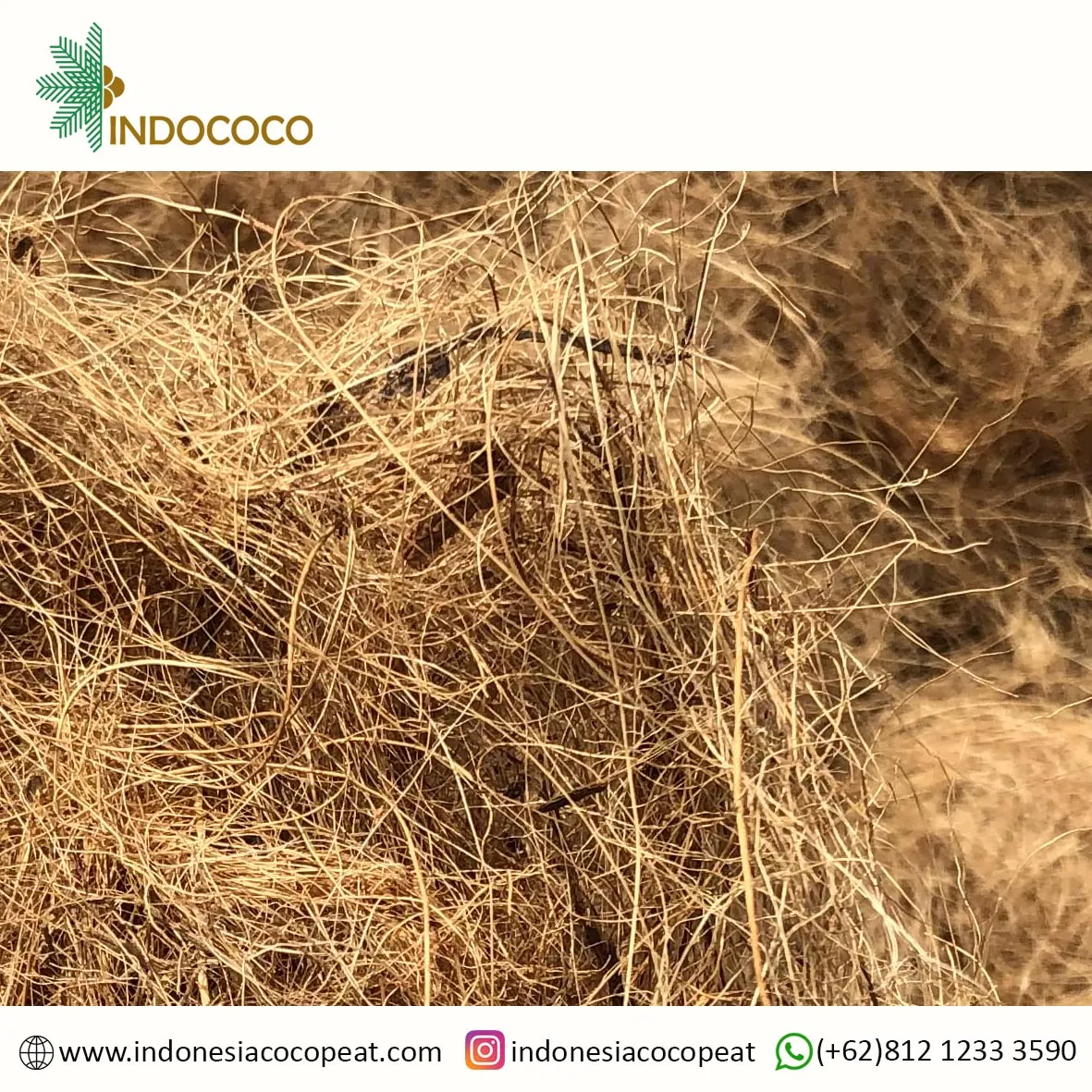
The Top 5 Benefits of Coco Fiber for Tarantulas
Tarantulas, with their captivating presence and unique care requirements, have become increasingly popular pets. Providing the correct environment is crucial to the health and happiness of these fascinating creatures. One of the most important elements in a tarantula’s enclosure is the substrate, the material that forms the floor of their habitat. Among the various substrate options available, coco fiber has emerged as a top choice for tarantula keepers. This versatile and eco-friendly substrate offers numerous benefits that contribute to the overall well-being of your eight-legged friend. This article explores the top 5 benefits of using coco fiber for your tarantula, delving into its advantages and why it’s a superior substrate choice.
Enhanced Humidity Control
Maintaining the correct humidity levels is vital for the health of a tarantula. Proper humidity aids in the molting process, prevents dehydration, and helps tarantulas breathe comfortably. Coco fiber excels in this area, offering excellent humidity retention properties. This ensures your tarantula’s enclosure stays within the necessary humidity range, mimicking their natural habitat and supporting their overall health. The substrate helps prevent the air from getting too dry which is great for the tarantula’s well being and overall health.
Why Humidity is Crucial for Tarantulas

Tarantulas, particularly those from humid environments, require specific humidity levels to thrive. Insufficient humidity can lead to various health issues. For instance, a tarantula may struggle to molt successfully. Molting, the process by which a tarantula sheds its exoskeleton, is critical for growth and shedding parasites. Without sufficient humidity, the old exoskeleton can become too tough, making it difficult for the tarantula to shed properly. This can lead to serious health complications, even death. Low humidity can also cause dehydration, leading to lethargy and other health problems. Therefore, maintaining optimal humidity levels is not just beneficial, but essential for the tarantula’s survival.
How Coco Fiber Maintains Humidity
Coco fiber’s natural structure allows it to absorb and retain moisture effectively. When the substrate is misted with water, it gradually releases the moisture back into the air, creating a humid environment. This slow release prevents drastic fluctuations in humidity, providing a stable and comfortable habitat for your tarantula. The water absorption is a natural characteristic of the coco fiber, making it simple to use and maintain. This helps the owner easily take care of the tarantula with ease.
Natural Burrowing Substrate
Tarantulas are natural burrowers, and they thrive when they can create their own shelters. Providing a substrate that allows for this natural behavior is crucial for their psychological well-being. Coco fiber, with its texture and structure, is an ideal choice for burrowing tarantulas. The consistency of coco fiber allows tarantulas to dig and create tunnels easily, satisfying their instinctive needs and providing a sense of security.
The Importance of Burrowing for Tarantula Wellbeing

Burrowing provides tarantulas with a safe haven, protecting them from perceived threats and providing a comfortable microclimate. The ability to burrow reduces stress, allowing them to feel secure in their environment. When tarantulas can express their natural burrowing behavior, they are generally more active, feed better, and show fewer signs of stress. This activity is an important component for their overall wellness. By allowing them to follow their instinct, you are also providing a happier life to your tarantula.
Coco Fiber’s Ideal Texture for Burrowing
Coco fiber’s composition offers the perfect balance of firmness and ease of manipulation for tarantulas. The fibers hold their shape well, allowing tarantulas to create stable burrows and tunnels. The texture is soft enough to not harm their delicate legs and pedipalps, while offering enough structure to support the burrows. This is in contrast to some other substrates that may be too dense, making it difficult for the tarantula to dig, or too loose, causing burrows to collapse. The structure of coco fiber helps keep the burrows maintained and is ideal for the tarantula to dig its own shelter.
Odor and Waste Management
Maintaining a clean enclosure is essential for the health and well-being of your tarantula. Coco fiber aids in waste management by absorbing waste products, reducing unpleasant odors, and keeping the enclosure fresh. This helps prevent the buildup of bacteria and other harmful substances, creating a healthier living environment for your pet. This benefit extends beyond just the aesthetics, it contributes directly to the overall health of your tarantula.
Coco Fiber’s Ability to Absorb Waste

Coco fiber has excellent absorption properties, including the ability to absorb and trap waste material. This includes both solid waste and excess moisture. By absorbing waste, coco fiber prevents the buildup of ammonia and other toxins that can be harmful to tarantulas. It’s ability to absorb waste extends the time between enclosure cleanings, making the enclosure easier to maintain, while the tarantula is thriving at the same time.
Reducing Unpleasant Odors with Coco Fiber
Coco fiber’s natural composition helps to neutralize odors within the enclosure. By absorbing and breaking down waste, it reduces the smell of ammonia and other unpleasant odors that often accompany tarantula enclosures. It helps to maintain a fresh and clean smell that is less overwhelming for you. This also means that the enclosure is healthier overall. This is another benefit that comes from using coco fiber as a substrate.
Ease of Use and Availability
Coco fiber is a user-friendly substrate, making it a popular choice for both novice and experienced tarantula keepers. It is readily available in various forms, including bricks, loose substrate, and pre-mixed blends. Its ease of use makes it convenient for creating and maintaining a healthy tarantula habitat.
Coco Fiber’s User-Friendly Nature

Coco fiber is easy to handle and incorporate into your tarantula’s enclosure. It’s lightweight, making it simple to add or remove. It also compacts well, making it a good substrate for creating varied terrains within the enclosure. The substrate can be easily misted, which enhances the humidity. Whether you are a beginner or an experienced keeper, coco fiber simplifies the process of setting up and maintaining a healthy environment for your tarantula, helping to save time and effort.
Where to Purchase Coco Fiber
Coco fiber is widely available from pet stores, online retailers, and even some garden centers. It’s often sold in compressed bricks, which expand when water is added, or as a loose substrate. When purchasing coco fiber, make sure to select a product specifically intended for reptile or tarantula use. The product needs to be free from added chemicals and pesticides to ensure the safety of your pet. Make sure to check with your local pet store or online to get the best substrate available.
Safe and Non-Toxic
Safety is a paramount consideration when choosing a substrate for any pet, especially tarantulas. Coco fiber is generally a safe and non-toxic option, providing peace of mind for tarantula keepers. By using coco fiber, the owners can ensure that their tarantula’s health and well-being are not at risk. Using a non-toxic substrate can help with a wide range of issues.
Why Safety Matters for Tarantula Substrate

Tarantulas are sensitive creatures, and they can be negatively affected by toxic substances. Ingesting or coming into contact with harmful chemicals can lead to illness, respiratory problems, and even death. The substrate is a vital component of their environment, so it is critical that the substrate be safe and non-toxic. The substrate can also provide a safe environment to allow the tarantula to grow.
Ensuring Coco Fiber is Safe for Your Tarantula
Always purchase coco fiber from reputable sources. This will reduce the risk of exposure to harmful chemicals and pesticides. Before using coco fiber, always rinse the substrate thoroughly to remove any dust or debris. Make sure that the substrate is fully dry before placing it in the tarantula enclosure. Observe your tarantula for any signs of adverse reactions, such as difficulty breathing or unusual behavior. By following these precautions, you can provide a safe and healthy environment.
Conclusion
Coco fiber offers numerous benefits for tarantulas, including enhanced humidity control, a natural burrowing substrate, effective odor and waste management, ease of use, and a safe, non-toxic environment. By choosing coco fiber, you’re not only providing a comfortable and stimulating habitat for your tarantula but also making a conscious choice for the health and happiness of your pet. As a tarantula keeper, selecting the correct substrate is a critical part of responsible pet ownership. Coco fiber offers an easy to use option that will help you with your journey with the tarantula.