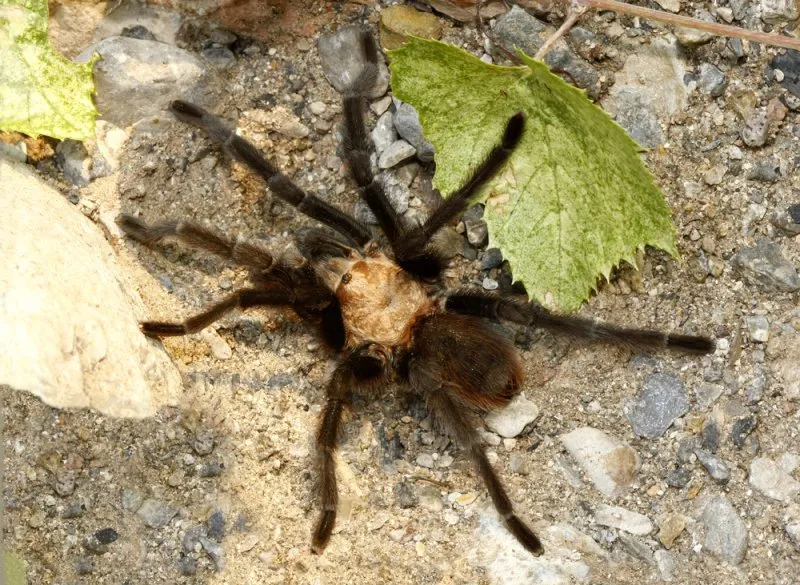
What is the Colorado Tarantula Migration
The Colorado Tarantula Migration is a remarkable natural phenomenon that occurs annually, typically in the late summer and early fall. During this time, thousands of male tarantulas embark on a journey to find a mate. This mass movement of these large, hairy spiders across the Colorado landscape is a sight to behold, drawing nature enthusiasts and photographers alike. Witnessing this event offers a unique opportunity to observe the behavior of these fascinating creatures in their natural habitat. The migration usually involves the males leaving their burrows and actively seeking out female tarantulas, which remain in their dens, ready to mate. The entire spectacle showcases the powerful instinct driving these spiders to perpetuate their species, making the migration a truly captivating experience for anyone fortunate enough to witness it. This event is a crucial part of the tarantula’s life cycle.
Understanding the Tarantula Lifecycle
To fully appreciate the Colorado Tarantula Migration, it is helpful to understand the tarantula lifecycle. Tarantulas, like other spiders, go through several stages of development. They begin as eggs, which are laid by the female and protected in an egg sac. Once the spiderlings hatch, they go through a series of molts as they grow. Male tarantulas typically reach maturity in about 7-10 years, while females can live for over 25 years, continuing to molt and grow throughout their lives. The migration is primarily driven by mature male tarantulas seeking females for mating. After mating, the males often die, while the females may lay eggs and repeat the cycle. Understanding the lifecycle enhances the appreciation for the challenges and processes involved in the tarantulas’ survival.
Why Do Tarantulas Migrate

The primary reason for the Colorado Tarantula Migration is reproduction. Male tarantulas, after reaching maturity, leave their burrows to find a mate. Their primary focus is to find a receptive female. The migration is the male tarantula’s quest to find a mate, driven by an instinct to reproduce and pass on their genes. They travel across open terrain, guided by pheromones emitted by female tarantulas. This journey can be perilous, exposing them to predators and environmental hazards. The migration itself is a testament to the importance of reproduction in the survival of the species, ensuring the continuation of the tarantula population. The migration is a crucial component of the tarantula’s survival strategy.
When and Where to Witness the Migration
The Colorado Tarantula Migration typically occurs in late summer and early fall, often from late August to mid-October. The exact timing can vary depending on weather conditions and environmental factors. Prime viewing locations are generally in the grasslands and open areas of southeastern Colorado. The best places to witness this phenomenon include areas like the Comanche National Grassland and other open spaces where tarantula populations are concentrated. It is essential to research specific locations and check for local reports or guided tours to maximize your chances of seeing the migration. Checking local weather forecasts is also recommended, as the tarantulas are more active on warmer days. Patience and a bit of luck are key ingredients for a successful viewing experience.
Best Time to See the Migration
The ideal time to witness the Colorado Tarantula Migration is typically during the late afternoon and early evening hours. The tarantulas are often most active as the sun begins to set, when the temperatures are cooler, and they are more likely to be out and about searching for mates. This is also the time when the lighting conditions are most favorable for photography. Arriving at your chosen viewing location a couple of hours before sunset will give you ample time to settle in and prepare for the spectacle. Be prepared for cooler temperatures as the evening progresses and bring appropriate clothing and gear. Observing during these specific times will greatly increase your chances of seeing the migration in full swing.
Optimal Locations for Tarantula Spotting

Several locations in southeastern Colorado are renowned for hosting the annual tarantula migration. The Comanche National Grassland is a particularly popular spot, with its vast grasslands and open spaces offering excellent opportunities for spotting these spiders. Other areas to consider include Pawnee National Grassland and other protected natural areas, often with minimal human interference, providing the best environment for tarantulas to thrive. When choosing a location, it’s essential to consider accessibility and safety. Some areas might require off-road vehicles, while others are easily accessible by car. Always check local regulations and guidelines before venturing into any natural area. Researching specific trails or viewing points will maximize your viewing success, creating an amazing and memorable experience.
What to Bring to Witness the Migration
To ensure a comfortable and safe viewing experience, it’s important to pack the right gear. Essential items include sturdy hiking shoes or boots, as you’ll likely be doing some walking. Bring plenty of water to stay hydrated, especially during the warmer days, and snacks to keep your energy levels up. Sunscreen, a hat, and sunglasses are also crucial to protect yourself from the sun. A pair of binoculars can greatly enhance your viewing experience, allowing you to spot tarantulas from a distance. A flashlight or headlamp is also advisable, especially if you plan to stay out after sunset. Insect repellent can help keep unwanted pests at bay. Being prepared will greatly enhance your comfort and enjoyment of the Colorado Tarantula Migration. Remember to dress in layers, as temperatures can fluctuate throughout the day.
Essential Gear for Tarantula Viewing
Beyond the basics, there are some specific items that can improve your chances of spotting and photographing tarantulas. A good quality camera with a macro lens is ideal for capturing detailed images. A tripod will help stabilize your camera in low-light conditions. A red flashlight or headlamp can be used to avoid disturbing the tarantulas, as red light is less disruptive to their nocturnal behavior. A comfortable chair or ground mat can be helpful for resting while you wait. A first-aid kit is always a good idea to have on hand. It’s also a good idea to bring a field guide or a book about tarantulas to help you identify the species and learn more about their behavior. Gathering these resources will help create an informed and enjoyable experience while exploring the tarantula migration.
Safety Precautions During the Migration

While the Colorado Tarantula Migration is a fascinating spectacle, it’s important to take certain safety precautions. Tarantulas are venomous, though their bite is generally not considered dangerous to humans. However, it is best to admire them from a distance and avoid direct contact. Be mindful of where you step and avoid putting your hands or feet into burrows or under rocks. Keep a safe distance from the spiders and do not attempt to handle them. It’s always a good idea to inform someone of your plans and location before venturing out. Be aware of other potential hazards, such as snakes and other wildlife. If you’re visiting a remote area, make sure your vehicle is in good condition. Following these safety tips will ensure a safe and enjoyable experience during the tarantula migration.
Respecting the Tarantulas and Their Habitat
It is essential to respect the tarantulas and their habitat while observing the migration. Do not disturb or harass the spiders. Refrain from using flash photography, as it can disorient and stress them. Avoid littering and stay on established trails to minimize your impact on the environment. Do not collect or remove any tarantulas or their eggs. Remember that you are a visitor in their home and should treat the area with care and consideration. Leave the environment as you found it, and allow the tarantulas to continue their natural behaviors without human interference. By following these guidelines, you can contribute to the preservation of this unique natural event for future generations.
Capturing the Spectacle Photography Tips
Photographing the Colorado Tarantula Migration can be a rewarding experience, allowing you to capture the beauty and wonder of these creatures. A macro lens is ideal for close-up shots of the tarantulas, but even a standard lens can work. Focus on capturing the tarantulas in their natural environment. Try to get shots that highlight their behaviors, such as mating rituals or hunting. Use a tripod for sharp images, especially in low light. Experiment with different angles and compositions to create visually appealing photos. Be patient and persistent, as the tarantulas may be moving slowly or hiding. Research photography tips, such as the use of natural light, to enhance the quality of your images. Most importantly, be respectful of the spiders and their habitat while taking photos.
Camera Settings for Tarantula Photography

Achieving the best results in tarantula photography requires adjusting camera settings. Set your camera to manual mode to have full control over the settings. Use a low ISO setting (e.g., 100 or 200) to minimize noise in your images. Select a wide aperture (e.g., f/2.8 or f/4) to create a shallow depth of field, which helps isolate the tarantula from the background. Choose a fast shutter speed (e.g., 1/250th of a second or faster) to freeze the motion of the spiders. Adjust the focus manually to ensure sharpness. Shoot in RAW format to retain more image data for post-processing. Experiment with different settings to achieve the desired results, considering that lighting conditions change during the day. By optimizing your camera settings, you can capture stunning photos of the Colorado Tarantula Migration.
Post-Processing Techniques
Post-processing your photos can enhance the quality and impact of your images. Use photo editing software, like Adobe Lightroom or Photoshop, to make adjustments to your photos. Adjust the exposure, contrast, and white balance to correct any issues. Enhance the colors and details, but avoid overdoing it. Crop your images to improve the composition and eliminate distractions. Sharpen your images to bring out the details. Remove any distracting elements, such as dust spots or unwanted objects. Consider applying a vignette to draw attention to the subject. Be mindful of the natural appearance of the photo and aim for subtle adjustments. By learning about and using post-processing techniques, you can significantly improve your tarantula photos.
Other Wildlife to Watch for During Migration
The Colorado Tarantula Migration provides the opportunity to observe other wildlife species. Look out for birds of prey, such as hawks and eagles, which might be hunting tarantulas or other small animals. You may also spot other insects, such as grasshoppers and beetles, which serve as prey for the tarantulas. Lizards and snakes might also be present in the area. The landscape itself is likely to offer opportunities for seeing various mammals, such as prairie dogs or coyotes. Keep an eye out for tracks and other signs of wildlife activity. Bringing binoculars will aid in identifying and observing a range of animals in the region. The tarantula migration is not only a great chance to witness the spiders, but also enjoy the diversity of other animals that call the same habitat home.