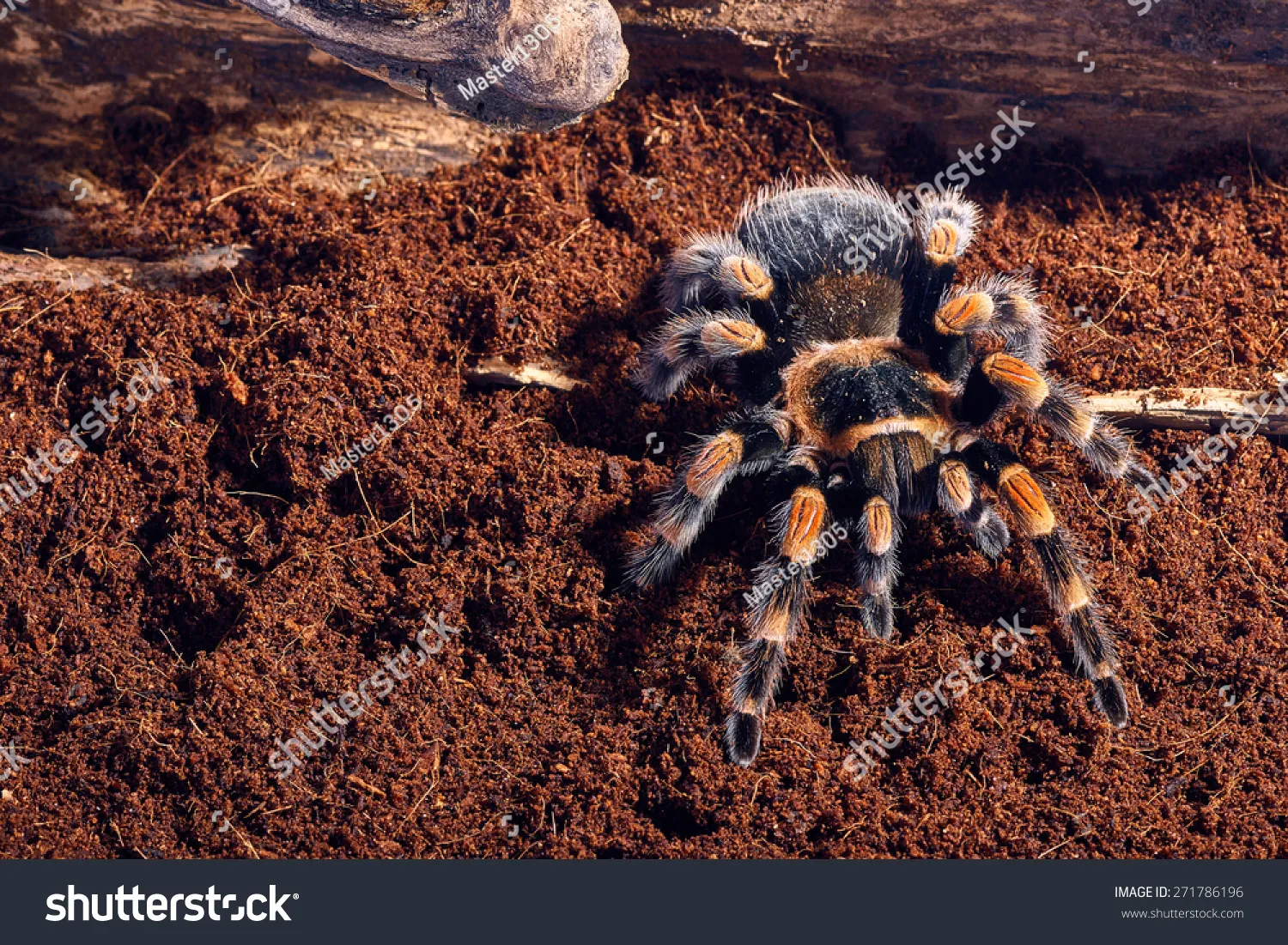
Mexican Red Knee Tarantula Overview
The Mexican Red Knee Tarantula (Brachypelma hamorii), a captivating arachnid, has become a popular pet due to its striking appearance and relatively docile nature. However, it’s crucial to understand that despite its popularity, this tarantula can pose certain dangers if not handled with proper care and knowledge. While not inherently aggressive, the Mexican Red Knee Tarantula possesses defenses that can cause discomfort and, in rare cases, more serious reactions. Understanding these potential hazards is essential for anyone considering owning or encountering this fascinating creature. This guide delves into ten key facts about the dangers associated with these beautiful spiders, providing insights into their behavior, venom, and defensive mechanisms to ensure a safe and informed experience.
Appearance and Characteristics
The Mexican Red Knee Tarantula is easily recognizable by its striking appearance. It features a dark body, with distinctive red-orange markings on its leg joints, particularly noticeable on the ‘knees.’ These vibrant colors serve as a warning to potential predators. The body of the tarantula, like all spiders, is divided into two main parts the cephalothorax (fused head and chest) and the abdomen. They are covered in sensory hairs and possess fangs used for injecting venom. These spiders typically grow to a leg span of up to 6 inches, with females living for up to 25 years, much longer than the males, who typically live for 5-10 years. The size and appearance of the tarantula directly influence the perceived danger it poses.
Venom and Toxicity

Mexican Red Knee Tarantulas, like all tarantulas, are venomous. Their venom is used primarily for subduing prey, such as insects and small vertebrates. The venom is injected through fangs located at the front of the cephalothorax. However, the toxicity of their venom is generally considered to be mild to humans. The primary concern isn’t the venom’s potency, but the potential for allergic reactions and secondary infections at the bite site. Understanding the composition and effects of the venom is crucial for assessing the true danger.
The Potency of the Venom
Compared to other venomous animals, the venom of the Mexican Red Knee Tarantula is not highly potent. It’s designed to paralyze or incapacitate its prey, not to inflict severe harm on humans. Bites are rarely life-threatening. The primary effects of the venom usually involve localized pain, swelling, and redness at the bite site. The intensity of these symptoms can vary depending on the individual, the amount of venom injected, and the location of the bite. The venom’s primary impact is a disruption of the nervous system in the prey.
Allergic Reactions
One of the more significant dangers associated with Mexican Red Knee Tarantulas is the potential for allergic reactions. While the venom itself is not highly toxic, some individuals may experience allergic responses to the venom or other substances present on the tarantula, such as its hairs. Symptoms can range from mild skin irritation and itching to more severe reactions, including difficulty breathing or anaphylaxis, which is life-threatening. Anyone with a known allergy to insect bites or venoms should exercise extreme caution when handling or being near a Mexican Red Knee Tarantula. Immediate medical attention is necessary if severe allergic symptoms occur.
Bite Symptoms and Treatment

If bitten by a Mexican Red Knee Tarantula, the most common symptoms include localized pain, redness, swelling, and itching around the bite site. Some individuals may experience muscle cramps or spasms. These symptoms typically subside within a few hours or days. In rare cases, more severe reactions, such as nausea, vomiting, or difficulty breathing, may occur, indicating a potential allergic reaction. Treatment for a bite usually involves cleaning the wound with soap and water, applying a cold compress to reduce swelling, and taking over-the-counter pain relievers if needed. Antihistamines may also be helpful in managing allergic symptoms. Seeking medical attention is recommended if symptoms worsen or if an allergic reaction is suspected.
Dangerous Defensive Behaviors
Mexican Red Knee Tarantulas have several defensive behaviors they employ when feeling threatened. One of the most common is flicking urticating hairs from their abdomen. These hairs are barbed and can cause significant irritation upon contact with skin or eyes. They may also adopt a defensive posture, rearing up on their hind legs, and raising their front legs, displaying their fangs as a warning. While bites are rare, these behaviors are the primary ways in which they defend themselves. Understanding these behaviors can help prevent potential encounters.
Urticating Hairs Irritation
Urticating hairs are one of the most notable defensive mechanisms of the Mexican Red Knee Tarantula. These tiny, barbed hairs are located on the abdomen and are flicked off when the tarantula feels threatened. Upon contact with human skin, these hairs cause intense itching, irritation, and sometimes a rash. If the hairs come into contact with the eyes, they can cause severe irritation and potentially corneal damage. Prevention is key minimizing handling and avoiding situations where the tarantula might feel threatened. Washing the affected area thoroughly with soap and water is essential to remove the hairs, and antihistamines or topical creams can help alleviate the symptoms.
Handling and Safety Precautions

Handling a Mexican Red Knee Tarantula should be approached with caution and respect for its needs and defenses. Always handle the tarantula in a controlled environment, close to the ground or a soft surface, in case it falls. Avoid sudden movements and loud noises that can startle the tarantula. It is essential to use proper tools, such as long tongs or a handling hook, to move the tarantula if direct handling is necessary. Always wash your hands thoroughly before and after handling the tarantula. Understanding the tarantula’s behavior and recognizing signs of stress are crucial for preventing bites and reducing the risk of defensive reactions.
Creating a Safe Habitat
A safe habitat for a Mexican Red Knee Tarantula is crucial for its well-being and for minimizing potential risks. The enclosure should be appropriately sized, providing enough space for the tarantula to move around and exhibit natural behaviors. It should have a secure lid to prevent escape. The enclosure should include a substrate, such as coconut fiber or peat moss, to allow the tarantula to burrow. Provide a water dish with fresh water and a hide, such as a cork bark or a decorative hide, where the tarantula can retreat and feel secure. Maintaining the proper temperature and humidity levels is also critical for the tarantula’s health and well-being. Keeping the enclosure secure and well-maintained minimizes the risk of escape and potential dangers to the owner and others.
Risk of Escape
The Mexican Red Knee Tarantula, while not known for being particularly fast, can escape its enclosure if given the opportunity. A loose lid, an unsecured door, or any opening can provide an escape route. An escaped tarantula poses a risk to both the owner and potentially to other pets or family members. The fear factor can be significant, and the tarantula could potentially bite if it feels threatened. Regular inspections of the enclosure to ensure its integrity and security are essential. If an escape occurs, remaining calm and attempting to safely recapture the tarantula with appropriate tools and handling techniques is vital.
Potential Dangers to Pets and Children

Mexican Red Knee Tarantulas can pose risks to pets and children, especially if the animals are not properly supervised. Young children or pets may not understand the potential dangers and might try to touch or interact with the tarantula, which could lead to a bite or the triggering of defensive behaviors like the release of urticating hairs. Keeping the tarantula’s enclosure out of reach of children and pets is essential. Educating children about the tarantula’s potential dangers and the importance of not touching it without supervision is crucial. Always supervise any interaction between the tarantula and other animals or children to ensure everyone’s safety.
Prevention of Bites and Reactions
Preventing bites and reactions from a Mexican Red Knee Tarantula starts with understanding its behavior and respecting its space. Avoid handling the tarantula unnecessarily, and always use appropriate tools when handling is required. Ensure the enclosure is secure and well-maintained to prevent escapes. Educate yourself about the tarantula’s defensive mechanisms, such as urticating hairs, and take precautions to minimize exposure. If you have allergies, be aware of the potential for allergic reactions and take necessary precautions. By following these guidelines, the risk of bites and adverse reactions can be significantly reduced.
First Aid for Bites
If a bite from a Mexican Red Knee Tarantula occurs, the first step is to remain calm. Clean the bite wound thoroughly with soap and water. Apply a cold compress to the area to reduce swelling and pain. If the tarantula has flicked urticating hairs, wash the affected skin area with soap and water, and avoid rubbing the area, as this can spread the hairs further. Monitor the bite site for any signs of infection or allergic reaction. Seek medical attention immediately if you experience severe symptoms, such as difficulty breathing, swelling of the face or throat, or any other serious reaction. Following these steps can help to minimize the effects of a bite and ensure proper care.
Interesting Facts About the Mexican Red Knee Tarantula

Despite the potential dangers, the Mexican Red Knee Tarantula is a fascinating creature. They are known for their docile nature and relatively easy care, making them popular pets for some enthusiasts. They have a life span of up to 25 years for females, which is quite remarkable. They are native to the Pacific coast of Mexico, where they live in burrows. They play an important role in their ecosystem as both predator and prey. Understanding these facts helps to appreciate these spiders while respecting their potential dangers.