Why DIY Tarantula Water Dish Matters
Creating a DIY tarantula water dish is more than just a simple craft project, it’s a crucial step in providing optimal care for your eight-legged friend. A well-designed water dish ensures your tarantula stays hydrated, promoting its overall health and well-being. Commercial options are available, but crafting your own allows for customization, cost savings, and the opportunity to create an enriching environment for your pet. Furthermore, it provides a rewarding experience, knowing you’ve directly contributed to your tarantula’s welfare.
Importance of Hydration for Tarantulas
Hydration is paramount for tarantulas, playing a vital role in their physiological functions. Water helps in molting, a process where tarantulas shed their exoskeleton to grow. Without adequate moisture, molting can become a dangerous, even fatal, process. Water aids in digestion, nutrient absorption, and waste removal. It also supports the hemolymph, the tarantula’s version of blood, which is essential for transporting oxygen and nutrients throughout the body. Supplying a clean and accessible water source is therefore a fundamental aspect of responsible tarantula ownership.
Risks of Dehydration

Dehydration in tarantulas can lead to serious health complications. A dehydrated tarantula may exhibit lethargy, loss of appetite, and difficulty molting. The exoskeleton may become brittle, increasing the risk of injury. Prolonged dehydration can result in paralysis and, ultimately, death. It is very important to regularly observe your tarantula for any signs of dehydration. Providing a constant source of fresh water is the best preventative measure against these risks. Regular misting of the enclosure can also help boost humidity and supplement water intake, especially for species that prefer higher humidity levels.
Choosing the Right Materials for Your DIY Water Dish
Selecting the right materials is crucial for the safety and well-being of your tarantula. The materials should be non-toxic, durable, and easy to clean. They should also be able to withstand the humidity levels typically found in a tarantula enclosure. Consider the size and species of your tarantula when choosing materials, ensuring that the dish is appropriately sized to prevent accidental drowning or being too small to be useful. Always prioritize materials that are safe for your pet and easy to sanitize.
Safe and Non-Toxic Material Selection
Prioritize materials that are safe for your tarantula. Food-grade plastic containers, ceramic dishes, and glass ramekins are excellent choices. Avoid using materials that can leach harmful chemicals or are easily breakable, such as untreated wood or certain types of plastic. Make sure any materials you use are thoroughly cleaned before introducing them to your tarantula’s enclosure. This is very important in order to remove any residues from manufacturing or storage. Regularly inspect the water dish for any signs of damage or wear and tear and replace it if necessary to prevent potential hazards.
Material Availability and Cost-Effectiveness

One of the advantages of a DIY approach is the cost-effectiveness. Common household items can often be repurposed into water dishes, saving you money. Look for materials that are readily available, such as small plastic food containers, shallow ceramic dishes from kitchen stores, or even bottle caps. These materials are usually inexpensive or free. Consider using materials you already have on hand to reduce waste and promote sustainability. The cost savings can be significant over time compared to purchasing commercially available water dishes.
DIY Tarantula Water Dish Design Ideas
The possibilities for designing a DIY tarantula water dish are endless. Consider the size and arboreal or terrestrial nature of your tarantula when designing the dish. The dish’s aesthetics can also be a factor, and it can be designed to blend seamlessly with the enclosure’s environment. Always prioritize function and safety. Here are some design ideas to inspire you to create a suitable water source for your tarantula, keeping in mind the importance of a shallow depth to avoid drowning hazards.
Simple Dish Designs
For simplicity, a shallow dish is always a great choice. A small, shallow ceramic dish or a repurposed plastic container works exceptionally well. Ensure that the dish’s sides are not too steep, allowing your tarantula easy access. You can secure the dish in place with a small amount of aquarium-safe silicone or by burying it partially into the substrate to prevent accidental tipping. Make sure to select a size appropriate for your tarantula, as a dish that is too large may take up excessive space in the enclosure, and one that is too small might be easily spilled.
Shallow Dish Construction

To build a simple shallow dish, obtain a small, shallow container made of a safe material. Clean the container thoroughly with warm water and soap, rinsing it thoroughly. Place the dish on a stable surface within the enclosure. Depending on your tarantula’s needs, you may fill the dish with distilled water or dechlorinated tap water. Observe your tarantula to determine its water consumption and adjust the size and placement of the dish as needed. Ensure that the dish is always filled with fresh water.
Dish with a Cork Base
A cork base adds a natural aesthetic and provides additional grip for your tarantula. Cut a piece of cork bark or a cork coaster to a size slightly larger than the base of the water dish. Use aquarium-safe silicone to attach the dish to the cork base. This will help prevent the dish from being accidentally tipped over and creates a more natural look. Always let the silicone cure completely before introducing the dish into the enclosure. This design is particularly suitable for arboreal species, which may appreciate the elevated access.
Advanced Dish Designs
For more advanced designs, consider incorporating features that improve functionality. These designs can offer more benefits to your tarantula. A dish with a built-in water reservoir can provide a continuous water supply. Additionally, a dish that includes decorative elements can make the enclosure more appealing.
Dish with a Built-in Water Reservoir

A dish with a built-in water reservoir is very good for tarantulas. You can create this by attaching a small, inverted container to the main dish using aquarium-safe silicone. Make sure the container has small holes at the bottom to allow water to drip slowly into the dish, maintaining a constant water level. This can be especially beneficial for species that prefer a higher humidity level. Carefully monitor the water level in the reservoir and replenish it regularly. This design reduces the frequency of water refills and ensures your tarantula always has access to water.
Dish with a Decorative Element
Adding decorative elements can enhance the enclosure’s aesthetic. Use aquarium-safe materials to create a visually appealing water dish. You might incorporate smooth, non-toxic river stones around the dish or include a small piece of driftwood for a natural feel. Ensure that any decorative elements don’t pose a hazard to your tarantula, such as sharp edges or loose pieces that could be ingested. The aesthetic aspect is purely optional, it’s more important that the water dish is safe and functional.
DIY Dish Construction Step-by-Step
Here’s a step-by-step guide to building a basic DIY water dish. The steps are simple and use readily available materials, making it easy to create a suitable water source for your tarantula. Always prioritize the safety of your pet and use non-toxic materials.
Step 1 Preparation
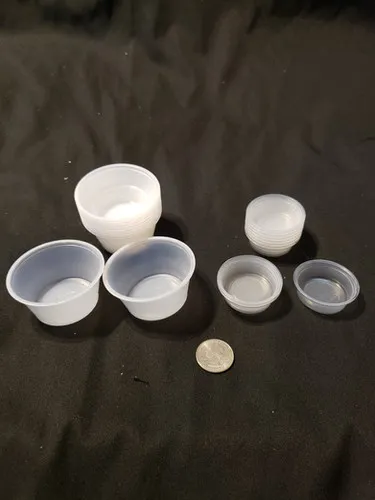
Gather your materials. This includes a small, shallow dish (such as a ceramic ramekin or a clean plastic container), warm water, soap, and a soft sponge or cloth. Clean the dish thoroughly to remove any dirt or residue, ensuring it’s completely clean and safe for your tarantula. Rinse the dish thoroughly with clean water to remove any traces of soap and allow it to dry completely. Prepare any additional materials if you’re using the cork base or other decorative elements.
Step 2 Building the Dish
Position the dish in the enclosure. If you want, you can partially bury it in the substrate to increase stability. If you are using a cork base, apply a thin layer of aquarium-safe silicone to the bottom of the dish and attach it to the cork. Allow the silicone to cure completely according to the manufacturer’s instructions, typically at least 24 hours. After curing, place the dish in the enclosure.
Step 3 Finishing Touches
Once the dish is in place, carefully fill it with fresh water. Monitor your tarantula’s behavior to ensure it can access the water easily. Regularly check the water level and replenish it as needed. Add any additional decorations, if desired, ensuring they are safe and non-toxic. Observe your tarantula’s drinking habits and adjust the dish’s placement or design if necessary to optimize water access and intake.
Placement and Maintenance

Correct placement and regular maintenance of the water dish are essential to provide a healthy environment. The right location promotes easy access for your tarantula. Regular cleaning ensures that the water remains fresh and safe to drink.
Optimal Placement within the Enclosure
Place the water dish in a location easily accessible to your tarantula. Avoid placing it directly under heat lamps or in areas where it could be exposed to excessive heat, which can cause the water to evaporate too quickly. If you have a terrestrial species, place the dish on the ground. For arboreal species, consider placing it on an elevated platform or near a climbing structure. Observe your tarantula’s behavior to determine the best placement. If your tarantula is not using the water dish, try different locations until it becomes more accessible.
Cleaning and Water Refilling
Regular cleaning and water replacement are crucial. Refill the dish with fresh water every day or two, depending on your tarantula’s consumption. Clean the dish weekly, or more frequently if needed, to prevent the buildup of algae or bacteria. Remove the dish, wash it with warm water and mild soap, rinse thoroughly, and allow it to dry completely before refilling and returning it to the enclosure. Use distilled or dechlorinated water to ensure the health of your tarantula.
Common Mistakes to Avoid

Avoiding common mistakes will help keep your tarantula safe and healthy. Some errors can lead to health issues or injury. Being aware of these potential pitfalls will let you provide the best care for your tarantula.
Dish Size and Depth Errors
One of the most common mistakes is using a water dish that is either too large or too deep. A dish that is too large can take up excessive space in the enclosure, while one that is too deep poses a drowning hazard. Always choose a shallow dish, and ensure the water depth is appropriate for your tarantula’s size. Regularly monitor the water level and refill the dish as needed. This will help avoid any accidents. Make sure your tarantula can easily access and drink from the water.
Material Incompatibility
Another mistake is using incompatible or toxic materials. Avoid materials that could leach chemicals into the water or harm your tarantula. Never use treated wood, painted surfaces, or materials containing harmful substances. Always opt for food-grade plastics, ceramics, or glass. If you’re unsure about a material’s safety, err on the side of caution and choose a safer alternative. This will prevent the risk of poisoning or injury. Ensure all materials are thoroughly cleaned before use.
Ensuring Tarantula Safety
Prioritizing safety is very important when you create a DIY water dish. You must use appropriate materials, ensure the dish is placed safely, and always use the proper materials. This will help your tarantula thrive in a safe and stimulating habitat.
Water Quality and Health
The quality of water is important for your tarantula’s health. Always use distilled water or dechlorinated tap water to fill the water dish. Distilled water is free of impurities and chemicals. Dechlorinated water removes harmful chlorine and chloramine. Avoid using tap water directly, especially if your area has high levels of chlorine. Clean and replace the water frequently to prevent the growth of bacteria and algae, which can cause health problems. Fresh, clean water is crucial for keeping your tarantula healthy and happy.
Monitoring Water Intake
Observing your tarantula’s water intake is a good practice. You can tell if your tarantula is drinking by the water level decreasing or by seeing the tarantula near the water dish. Check your tarantula regularly for signs of dehydration, like lethargy or a shriveled abdomen. If you notice these signs, increase the frequency of water replacement or consider adding an additional water source. Also, humidity levels should be adjusted appropriately. Keep the water dish readily available, ensuring that your tarantula always has access to a water source.
Benefits of DIY Water Dish
Crafting a DIY tarantula water dish provides several advantages. Not only do you save money, but you can personalize it. Furthermore, it’s an opportunity to enrich your tarantula’s environment, making your pet’s habitat more stimulating.
Cost Savings and Personalization
Building your own water dish often results in cost savings. You can repurpose household items. For instance, you might use a small ceramic dish or a plastic container. Purchasing commercial water dishes can become expensive. The customization aspect enables you to design a dish that complements your enclosure’s aesthetics and caters to your tarantula’s specific needs. This will lead to a more personalized and enriching experience for both you and your pet. Additionally, you can ensure it fits your tarantula’s size.
Environmental Enrichment
A DIY water dish can significantly enrich your tarantula’s environment. You can design it to blend with the enclosure’s decor, making it more natural and stimulating. You can incorporate elements that mimic your tarantula’s natural habitat. You can add decorative elements like smooth rocks or small pieces of bark. A well-designed water dish provides both a functional and aesthetic benefit, enhancing your tarantula’s overall well-being. A stimulating environment keeps your tarantula happy and active. It encourages natural behaviors.
Conclusion
Creating a DIY tarantula water dish is a rewarding and essential task for any tarantula keeper. By providing a safe, accessible, and aesthetically pleasing water source, you contribute to your tarantula’s health and well-being. Remember to prioritize safety, choose non-toxic materials, and regularly maintain the dish to ensure a healthy habitat. With a little creativity and effort, you can build a perfect water dish and provide your tarantula with the hydration it needs to thrive. Enjoy the process and the satisfaction of knowing you’re providing the best possible care for your eight-legged friend.