Choosing Your First Tarantula
Embarking on the journey of tarantula ownership can be an incredibly rewarding experience. These fascinating creatures offer a unique perspective on the world of pets, requiring less direct interaction than many other animals while still providing a source of intrigue and fascination. This guide is tailored for beginners, providing a comprehensive overview of easy tarantula care. Before you bring a tarantula home, it is essential to understand their specific needs, from habitat setup to feeding requirements, and handling practices. This detailed guide will walk you through each step, ensuring a smooth and enjoyable experience for both you and your new pet. Proper research and preparation are key to responsible tarantula ownership and a healthy tarantula.
Species Selection
Choosing the right tarantula species is the first and arguably most important step. Some species are significantly more docile and easier to care for than others, making them ideal for beginners. Consider factors such as temperament, growth rate, and venom potency when making your selection. Research different species extensively to find one that aligns with your lifestyle and experience level. Start with species known for their calm demeanor and relatively low maintenance requirements. The goal is to select a tarantula that is not only beautiful but also manageable and safe to handle, minimizing the risk of stress and providing a positive experience for both the owner and the tarantula. The right choice will set the stage for a successful and enjoyable ownership experience.
Popular Beginner Species

Several tarantula species are particularly well-suited for beginners. These species generally possess a combination of docile temperament, relatively low venom potency, and manageable care requirements. Some top recommendations include the Chilean Rose Hair (Grammostola rosea), the Pinktoe Tarantula (Avicularia avicularia), and the Mexican Red Knee (Brachypelma hamorii). These species are known for their gentle nature, making them less likely to bite or exhibit aggressive behaviors. Their care requirements are also relatively straightforward, involving consistent feeding, appropriate humidity and temperature levels, and regular enclosure maintenance. Researching these and other beginner-friendly species will allow you to make an informed decision, ensuring a positive start to your tarantula-keeping journey. Consider the characteristics and choose a species whose needs you can realistically meet.
Habitat Setup
Setting up the right habitat is crucial to the health and well-being of your tarantula. The enclosure should provide a secure and comfortable environment, mimicking the tarantula’s natural habitat as closely as possible. The proper habitat will not only provide a comfortable living space but also play a crucial role in ensuring the tarantula’s health, promoting its natural behaviors, and making the experience as stress-free as possible for both you and your pet. It is essential to create a habitat that addresses all environmental factors and security. The enclosure should be well-ventilated, secure, and escape-proof to prevent any accidental escapes. Remember that a well-designed habitat not only enhances the tarantula’s quality of life but also makes maintenance easier for you.
Enclosure Size and Type
The size and type of enclosure should correspond with the tarantula’s size and its natural lifestyle (terrestrial, arboreal, or fossorial). Terrestrial species, which live on the ground, require more horizontal space, while arboreal species, which live in trees, need more vertical space. A good rule of thumb is to provide an enclosure that is at least twice the tarantula’s leg span in width and length, and ideally, a little taller than its leg span. Ensure the enclosure is made of a secure material like glass or acrylic with proper ventilation. The type of enclosure should also take into account the safety of the tarantula. All enclosures must have a secure lid to prevent escapes, and they should be easy to clean and maintain. Choosing the appropriate enclosure size and type is critical to the tarantula’s overall health and well-being.
Substrate and Decor

Substrate, the material that forms the floor of the enclosure, plays a significant role in maintaining humidity, providing a burrowing medium, and creating a naturalistic environment. Common substrate choices include coconut fiber, peat moss, and a mix of soil and sand. The substrate depth should be sufficient to allow the tarantula to burrow if it is a fossorial species. Decor such as hides (cork bark, half logs), artificial plants, and water dishes add to the enclosure’s aesthetic appeal and provide essential elements for the tarantula’s well-being. Hides provide a place for the tarantula to retreat and feel secure, reducing stress, while plants can help maintain humidity and provide a sense of security. The goal is to replicate the natural environment of the tarantula as closely as possible. The substrate and decor combined enhance the tarantula’s comfort and help replicate their natural habitat.
Temperature and Humidity
Temperature and humidity are critical environmental factors for a tarantula’s health. Most tarantulas thrive in temperatures between 75-85°F (24-29°C). You can maintain the desired temperature using a heat lamp or a heat mat placed on the side of the enclosure. Humidity requirements vary by species, but generally, tarantulas need humidity levels between 60-80%. You can monitor humidity using a hygrometer. Maintain the desired humidity by misting the enclosure with water, especially during molting. Ensure that there is adequate ventilation to prevent mold growth. Proper temperature and humidity levels are essential for the tarantula’s health, molting, and overall well-being. Investing in a thermometer and hygrometer will allow you to monitor the conditions and make necessary adjustments to keep your tarantula happy and healthy.
Feeding Your Tarantula
Feeding your tarantula is a fundamental aspect of its care. It involves providing the right type of food in the right quantity and frequency to ensure its health and promote growth. Tarantulas are opportunistic feeders and have relatively simple dietary needs. Understanding their feeding habits and providing a balanced diet is crucial for their survival and vitality. Providing a balanced diet will lead to a healthier and more content tarantula, enabling you to observe their behaviors while they thrive in their enclosure.
What to Feed

Tarantulas are primarily insectivores. The staple diet usually consists of live insects such as crickets, mealworms, roaches, and dubia roaches. The size of the insects should be proportionate to the tarantula’s size, usually no larger than the tarantula’s body length. You can also offer other insects like superworms, waxworms, and even pre-killed pinky mice for larger species as occasional treats. It is essential to gut-load the insects before feeding them to your tarantula. This means feeding the insects nutritious foods like fruits, vegetables, and commercial insect food to ensure your tarantula receives essential vitamins and minerals. By varying the diet, you ensure that your tarantula gets the necessary nutrients.
Feeding Frequency
The feeding frequency depends on the tarantula’s age and size. Spiderlings need to be fed more often, typically every other day, while adults can be fed once or twice a week. Observe your tarantula’s behavior to gauge its appetite. A tarantula that is not hungry will often refuse food, which is normal during premolt. Remove uneaten insects within 24 hours to prevent them from stressing your tarantula. It is also important to monitor the tarantula’s abdomen. A well-fed tarantula should have a slightly plump abdomen. Overfeeding can cause health problems, so it’s important to strike a balance between providing enough food and preventing overconsumption.
Watering Your Tarantula
Providing a clean and accessible water source is essential for your tarantula’s survival. Tarantulas need water to stay hydrated, especially during molting. A consistent water supply ensures the tarantula’s well-being and plays a crucial role in their health and overall care. The availability of water is a critical aspect of tarantula keeping and should be carefully managed.
Water Source

The most common water source is a shallow water dish. The dish should be small enough to prevent the tarantula from drowning. The water dish should be filled with fresh, clean water regularly, typically every few days. For smaller tarantulas, you can use a bottle cap or a cotton ball soaked with water. Regularly check the water dish for cleanliness. Ensure that the water source is always available and clean. Clean water is key to preventing infection and providing the hydration necessary for molting and daily functions.
Watering Frequency
The frequency of watering or misting depends on the species and the humidity level in the enclosure. Most tarantulas need to have their enclosure misted with water a few times a week to maintain the required humidity levels. Some species that require higher humidity may need more frequent misting. Check the substrate regularly to ensure it is moist but not waterlogged. For many species, providing a water dish is enough, but for others, misting is essential. The goal is to maintain the correct humidity level in the enclosure to promote healthy molting. Monitoring the enclosure’s humidity levels and adjusting the watering frequency as needed will help ensure that your tarantula stays healthy and well-hydrated.
Handling and Safety
Handling tarantulas is generally not recommended, especially for beginners. These creatures can be skittish and defensive, and a bite can be painful, though rarely life-threatening. Prioritizing safety and understanding the risks involved in handling is crucial to a positive experience. Understanding tarantula behavior and practicing safe handling is key to ensuring the well-being of both the tarantula and yourself. Responsible tarantula ownership prioritizes the safety of both the owner and the animal. It is important to remember that tarantulas are not pets that enjoy being handled and should be observed rather than interacted with physically.
Safe Handling Practices

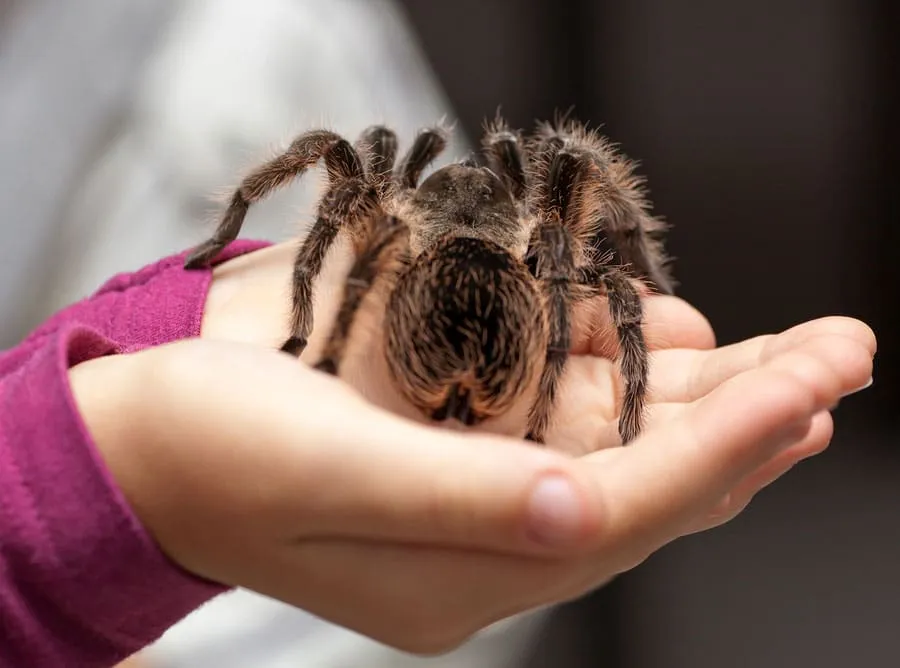
If you choose to handle your tarantula, do so with extreme caution. It’s best to handle a tarantula while sitting on the floor, in case it drops, to minimize the fall distance. Use a soft brush to gently coax the tarantula onto your hand. Never grab or squeeze the tarantula. Always be mindful of your tarantula’s behavior; if it appears agitated, put it back in its enclosure immediately. Frequent handling can stress a tarantula, so it is best to limit it. Handle only when necessary, such as during enclosure cleaning or health checks. Always approach a tarantula with calmness and gentle movements, as sudden movements can frighten them and trigger a defensive response.
Potential Hazards
Tarantulas have fangs that can deliver a painful bite, although the venom is generally not medically significant to humans. Some species also have urticating hairs on their abdomen, which they can flick off as a defense mechanism, causing skin irritation and, in rare cases, respiratory issues. Avoid touching the tarantula’s abdomen. Always wash your hands thoroughly after handling the tarantula or working in its enclosure. Be aware of the potential hazards, and take precautions to minimize the risk of bites and skin irritation. Responsible handling and awareness of potential hazards are crucial aspects of tarantula care, enabling owners to avoid bites and allergic reactions.
Health and Common Issues
Knowing how to identify a healthy tarantula and what to do in case of health issues is essential for all owners. It allows for quick intervention and can prevent severe problems. Tarantulas, like all living things, can experience health problems. Being aware of what constitutes a healthy tarantula and the common issues that may arise will allow for more proactive care.
Signs of a Healthy Tarantula

A healthy tarantula will have a plump abdomen, a good appetite, and will be active, moving around its enclosure. It should be alert and responsive to its environment. The legs should be intact, without any missing limbs or abnormalities. The fangs should be in good condition. The tarantula should have a clean, well-maintained enclosure. Regular inspections of your tarantula will help you recognize any changes in behavior. Observe the tarantula’s behavior, and pay attention to its appearance. A healthy tarantula will be active, alert, and have a good appetite.
Common Health Problems
Common health problems include dehydration, parasites, and injuries. Dehydration can be caused by insufficient water or low humidity. Parasites can be introduced through live feeders. Injuries can occur during molting or handling. If you suspect a health issue, consult with an experienced tarantula keeper or a veterinarian specializing in exotic animals. Proper care, including appropriate feeding, watering, and environmental conditions, can prevent most health problems. Regularly inspect your tarantula and its enclosure to catch potential health problems early. Prompt action is key to ensuring the tarantula’s health and well-being.
Where to Buy Your Tarantula
The best place to buy a tarantula is from a reputable breeder or a specialized pet store that has experience with exotic pets. Buying from a reputable source reduces the risk of getting a tarantula with health problems or that has been mishandled. Research different breeders and pet stores, checking reviews and ensuring they follow ethical practices. Avoid buying from online sellers who cannot provide information about the tarantula’s origin and care. Ensure the seller can provide information about the species. Choosing a reputable source ensures you receive a healthy tarantula and access reliable care information.