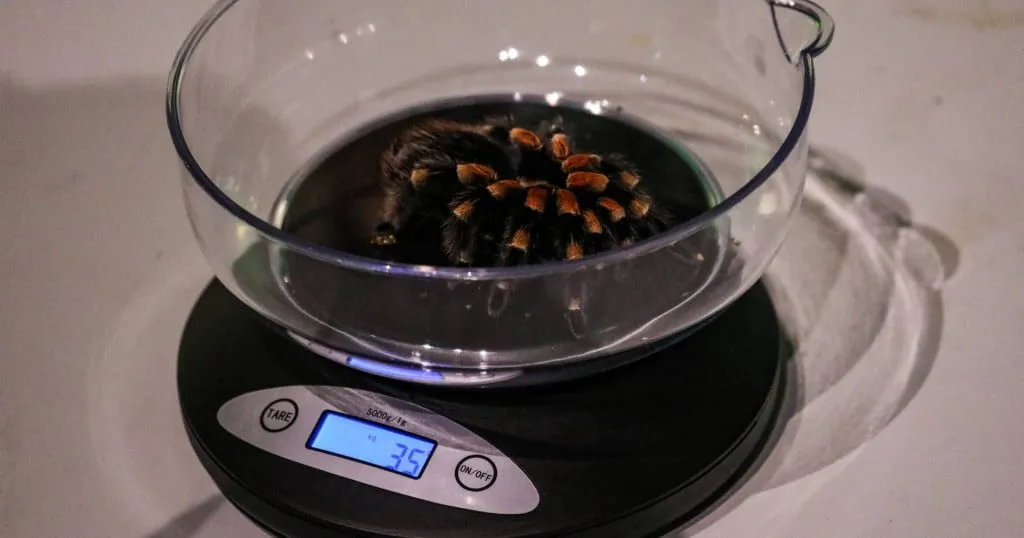
Owning a tarantula can be a fascinating experience, but one of the most common concerns among keepers is the potential for their eight-legged friend to escape. A tarantula on the loose is not only stressful for the owner, but it also poses a risk to the tarantula itself, as well as potentially to the inhabitants of the home. Preventing escapes is a crucial part of responsible tarantula ownership, and this guide will provide you with the essential tips and knowledge to ensure your tarantula remains safely housed.
Why Tarantulas Attempt Escapes
Understanding why tarantulas try to escape is the first step in preventing it. Several factors can contribute to this behavior, ranging from their natural instincts to environmental stressors within their enclosure. Recognizing these triggers will allow you to create a more secure and comfortable habitat for your tarantula.
Understanding Tarantula Behavior
Tarantulas are primarily driven by their instincts. They are naturally inclined to explore their surroundings, seek out food, and find shelter. This exploratory behavior can sometimes lead them to attempt to escape their enclosures. Furthermore, tarantulas are sensitive to changes in their environment and may try to escape if they feel threatened or if their needs are not being met.
Common Escape Triggers

Several factors can trigger escape attempts. Stress is a significant factor, which can be caused by improper temperature and humidity levels, lack of appropriate hiding places, or frequent disturbances. Hunger or the search for food can also drive tarantulas to explore beyond their enclosure. A poorly designed or maintained enclosure with easy escape routes, such as gaps in the lid or insufficient substrate depth, will also increase the likelihood of escapes.
Top 5 Tips to Escape-Proof Your Tarantula Enclosure
Now that we understand the ‘why,’ let’s explore the ‘how.’ Implementing these five key strategies will significantly reduce the risk of your tarantula escaping and ensure a safe and secure environment. Remember that prevention is always better than cure, and a little extra effort can save a lot of worry.
Tip 1 Secure the Lid
The lid is often the weakest link in enclosure security. Tarantulas are surprisingly strong and can push or pry open loose-fitting lids. Always ensure your lid is securely fastened. This might involve using clips, latches, or weights, depending on the type of enclosure and the size and species of your tarantula.
Choosing the Right Lid and Securing Methods

Glass or acrylic enclosures often come with sliding or hinged lids. For sliding lids, use clips or specialized lid locks to prevent the tarantula from pushing the lid open. Hinged lids can be secured with latches or magnets. Screen lids are common but require careful attention. Ensure the screen is tightly fitted to the frame, and the frame is securely attached to the enclosure. Consider using a locking mechanism for added security. Regular inspection of the lid and securing mechanisms is crucial to identify any potential weaknesses.
Tip 2 Appropriate Substrate Depth
Substrate depth is a critical factor in preventing escapes. Tarantulas can use the substrate to gain leverage and climb, particularly if the enclosure’s walls are relatively smooth. Providing an adequate depth of substrate can make it more difficult for them to reach the top of the enclosure and attempt an escape. This also provides a more natural environment for burrowing species.
Why Substrate Depth Matters
A shallow substrate gives the tarantula a shorter distance to climb to the lid. The deeper the substrate, the less accessible the lid becomes. This is especially important for arboreal species, which are more likely to climb. In addition, substrate also helps to maintain the appropriate humidity levels in the enclosure, which is crucial for the tarantula’s health and well-being.
Recommended Substrate Levels for Different Tarantula Species

The recommended substrate depth varies based on the species. For terrestrial species, aim for a substrate depth that is at least equal to the tarantula’s leg span. For burrowing species, provide a substrate depth that allows them to create extensive burrows, often several inches deep. Arboreal species benefit from a slightly shallower substrate, but it still needs to be sufficient to prevent them from easily climbing to the lid. Refer to species-specific care sheets for the most accurate recommendations.
Tip 3 Habitat Design and Enrichment
A well-designed enclosure, with suitable features and enrichment, can significantly reduce stress and minimize escape attempts. A comfortable and stimulating environment helps to keep the tarantula content and less inclined to explore beyond its enclosure. By considering the tarantula’s natural behaviors, you can create an enclosure that satisfies its needs.
Avoiding Climbable Features
Minimize the number of features that the tarantula can use to climb directly to the lid. Avoid placing branches, decorations, or other items that reach too close to the top of the enclosure. If you do use such features, make sure they are positioned away from the enclosure walls. The goal is to make it as difficult as possible for the tarantula to gain access to the lid.
Providing Hiding Spots

Tarantulas are shy creatures and thrive in environments where they can retreat to a safe space. Provide ample hiding spots, such as cork bark, artificial caves, or plants. These hiding places give them a sense of security and reduce stress, which can, in turn, decrease the likelihood of escape attempts. Ensure that the hides are stable and don’t pose a risk of crushing the tarantula.
Tip 4 Regular Enclosure Checks
Regular inspections of the enclosure are crucial to identify any potential escape routes or vulnerabilities. Small gaps, loose fittings, or damaged components can easily be exploited by a determined tarantula. Make enclosure checks a part of your regular tarantula care routine.
Identifying Potential Escape Routes
Inspect the lid, sides, and bottom of the enclosure for any gaps, cracks, or weak points. Check the sealing of the lid, the integrity of the substrate, and the overall condition of the enclosure. Ensure that any ventilation holes are appropriately sized and positioned to prevent escape. Replace or repair any damaged parts promptly. Inspecting the enclosure at least once a week and after any maintenance will help you to catch and fix any problems.
Tip 5 Maintaining Optimal Environmental Conditions

A tarantula’s environment needs to be carefully regulated to avoid stress and encourage natural behaviors. Maintaining the right temperature and humidity levels is very important to the health and well-being of the tarantula. If conditions are not right, it might try to escape to find a better environment.
Temperature and Humidity Requirements
Research the specific temperature and humidity requirements for your tarantula species. Use a reliable thermometer and hygrometer to monitor these levels regularly. Provide a temperature gradient within the enclosure, with a slightly warmer area and a cooler area. Maintain the appropriate humidity levels using a combination of substrate, water dishes, and occasional misting. Avoid sudden fluctuations in temperature or humidity, as these can stress your tarantula. Proper environmental control is crucial for creating a comfortable habitat, reducing stress, and thus preventing escape attempts.
Conclusion
Preventing tarantula escapes requires a proactive and informed approach. By understanding why tarantulas try to escape and implementing the five key tips discussed in this guide, you can create a secure and enriching environment for your pet. Always prioritize the safety and well-being of your tarantula, and remember that regular maintenance and observation are essential to prevent escape attempts and ensure a happy, healthy arachnid companion.