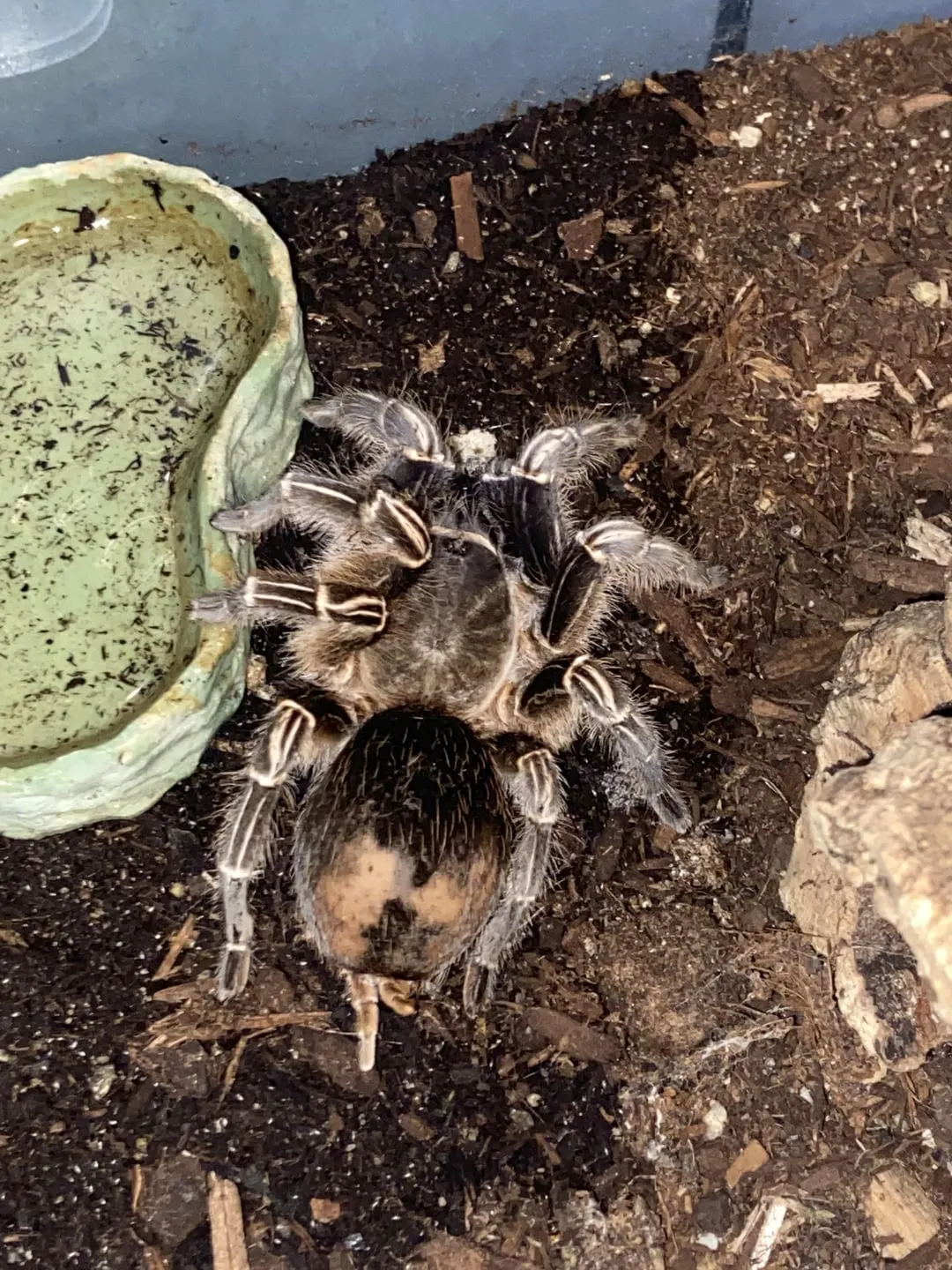
What is the Female Tarantula Abdomen?
The abdomen is a vital part of a female tarantula’s body, serving multiple crucial functions. Unlike the cephalothorax (the fused head and chest), the abdomen is a soft, flexible structure housing essential organs. It’s the largest section of the tarantula’s body and is where key processes such as digestion, reproduction, and respiration take place. Understanding the abdomen is critical for any tarantula keeper, as its condition often provides vital clues about the spider’s overall health. The abdomen’s size and appearance can indicate everything from the spider’s nutritional status to its reproductive readiness. Paying close attention to the abdomen allows for early detection of potential issues, allowing for proactive intervention to ensure the tarantula’s well-being. This section provides a foundational understanding of the female tarantula abdomen, its anatomy, and its importance in the spider’s life cycle.
Understanding the Role of the Abdomen
The abdomen of a female tarantula performs several essential functions, making it much more than just a body part. Primarily, it’s the site of the digestive system, where the tarantula processes its food. This includes the midgut, where nutrients are absorbed, and the hindgut, where waste is stored before elimination. Additionally, the abdomen contains the spider’s heart and respiratory organs, the book lungs, which are crucial for oxygen intake. In females, the abdomen also houses the reproductive organs, including the ovaries and the structures involved in egg production. Furthermore, the abdomen’s expandable nature allows it to accommodate the significant changes associated with egg production, which can drastically alter its size and shape. A healthy abdomen is, therefore, indicative of a thriving tarantula, capable of both digesting food effectively and potentially reproducing.
Reproduction and Egg Sac Formation

Reproduction is a primary role of the female tarantula’s abdomen. The ovaries, located within the abdomen, are responsible for producing eggs. After mating, the female uses the silk glands in her abdomen to create an egg sac. This process significantly impacts the abdomen’s size and shape, as it expands to accommodate the developing eggs. The abdomen’s condition is a key indicator of reproductive health and potential. A gravid female, carrying eggs, will often display a visibly enlarged abdomen. The abdomen’s ability to stretch and accommodate the egg sac is crucial for successful reproduction. Keeping the tarantula well-fed and providing optimal environmental conditions supports healthy egg production and ultimately, the survival of the spiderlings. The care provided during this phase is critically important for the spider’s future offspring, as it influences the quality and viability of the eggs.
How the Abdomen Aids Molting
Molting is a critical process for tarantulas, and the abdomen plays a significant role. The exoskeleton, including the abdominal covering, is shed during molting to allow for growth. Before molting, the tarantula’s abdomen may appear darker or less vibrant as the new exoskeleton forms beneath. The abdomen’s flexibility is essential during this process, permitting the spider to extract itself from the old exoskeleton. After molting, the abdomen is soft and vulnerable until the new exoskeleton hardens. The abdomen expands during molting, allowing the tarantula to increase in size. A healthy abdomen and a successful molt are indicative of a thriving tarantula. Providing a humid environment and avoiding disturbances during the molting process are crucial to minimizing risks and ensuring the spider’s well-being. A successful molt is essential for the spider’s growth and overall health, and the abdomen’s condition before and after molting provides important clues.
Factors Influencing Abdomen Size and Health
Several factors influence the size and health of a female tarantula’s abdomen. Nutrition is paramount; a well-fed tarantula will have a fuller, healthier abdomen. Overfeeding, however, can lead to excessive size and potential health issues. The molting cycle also affects abdominal size; the abdomen will be smaller and softer immediately after molting. Environmental factors like humidity and temperature influence overall health, which directly affects the abdomen’s condition. Dehydration can cause the abdomen to appear shrunken, while injuries can cause swelling or discoloration. The presence of parasites or infections can also impact abdominal health, leading to various abnormalities. Regular monitoring and proper care, including appropriate feeding, humidity, and temperature, are critical for maintaining a healthy abdomen and the spider’s overall well-being. Careful observation allows for early detection of problems.
Diet and Nutrition for Abdomen Health

A balanced diet is essential for maintaining the health of a female tarantula’s abdomen. The diet should primarily consist of appropriately sized insects, such as crickets, roaches, or mealworms. These insects should be gut-loaded before feeding to provide essential nutrients. Calcium and vitamin supplements can be added to the diet, especially for growing tarantulas or those preparing for egg production. Overfeeding, particularly with high-fat foods, can lead to an overly large abdomen and potential health complications. It’s important to feed the tarantula based on its size, age, and activity level. Fresh water should always be available to ensure proper hydration, and the tarantula is able to digest its meals. A well-nourished tarantula is more likely to have a healthy, vibrant abdomen, whereas nutritional deficiencies can negatively impact both the abdomen and the spider’s overall health. Consistent, balanced nutrition provides the foundation for a healthy life.
Identifying a Healthy Abdomen
Identifying a healthy abdomen is key to ensuring a female tarantula’s well-being. A healthy abdomen typically appears plump, with a slightly rounded shape, and without any visible wrinkles or depressions. The color should be consistent with the tarantula’s species, often with vibrant patterns or hues. The skin should be smooth and taut, without any signs of damage or injury. When the tarantula is well-fed and hydrated, the abdomen should have a healthy appearance. The tarantula’s behavior is also a good indicator; a healthy tarantula is usually active and alert. A healthy abdomen expands and contracts naturally with respiration. Regularly examining the abdomen during your tarantula care routine can help you identify any deviations from normal. Any changes, such as discoloration, unusual swelling, or the presence of lesions, warrant immediate attention.
Common Issues and Health Concerns
Several issues can affect a female tarantula’s abdomen. Dehydration, often indicated by a shrunken or wrinkled abdomen, can be caused by insufficient humidity or lack of access to water. Parasitic infestations, such as mites, can also impact abdominal health, causing irritation and inflammation. Injuries, from falls or bites, can lead to swelling, bruising, or open wounds. Infections, either bacterial or fungal, can cause discoloration and swelling. An overly large abdomen, often due to overfeeding, can strain the spider’s internal organs. A rupture of the abdomen is also a potential life-threatening condition. Early detection of these issues is crucial. Providing appropriate environmental conditions, ensuring a balanced diet, and practicing careful handling can help prevent or mitigate these problems. If you notice any abnormalities, it’s essential to consult with a veterinarian experienced in exotic animals.
Preventative Care for Your Tarantula’s Abdomen

Preventative care is the best approach to ensure a healthy abdomen for your female tarantula. Maintain the appropriate humidity and temperature levels for your species. Offer a varied diet with gut-loaded insects and access to fresh water at all times. Handle the tarantula with care to avoid injuries. Regularly clean the enclosure to prevent the buildup of waste and potential parasites. Monitor the abdomen for any signs of abnormalities during your daily routine. Avoid overfeeding and provide appropriately sized prey. Providing adequate hiding places can help reduce stress, which can affect overall health. If you suspect any health issues, consult a vet experienced in tarantulas. By implementing these preventative measures, you can promote a long and healthy life for your female tarantula. Proactive care and observation will provide a healthy and thriving tarantula abdomen.