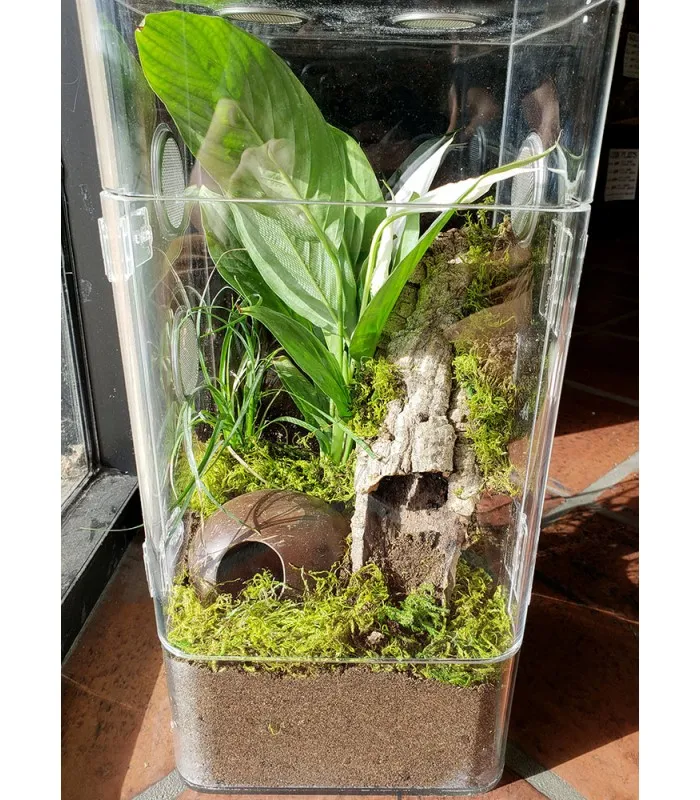
Choosing the Right Fireleg Tarantula Enclosure
Setting up a proper enclosure is paramount for the health and well-being of your Fireleg Tarantula. The ideal enclosure provides a secure, comfortable, and enriching environment that mimics the tarantula’s natural habitat. Considerations range from the size of the enclosure to the materials used in its construction, ensuring both functionality and safety. Proper planning prevents escapes, facilitates easy maintenance, and promotes a stress-free life for your pet. This guide will delve into all aspects of creating the perfect home for your Fireleg Tarantula, allowing it to thrive.
Size Matters Choosing the Correct Enclosure
The size of the enclosure directly impacts the Fireleg Tarantula’s ability to move, hunt, and feel secure. An enclosure that is too small can restrict movement and stress the tarantula, whereas one that is too large may make it difficult for the tarantula to find food and feel safe. The general rule of thumb is to provide an enclosure that is at least twice the tarantula’s leg span in width and length, and at least one and a half times the leg span in height. This allows ample space for burrowing, exploration, and molting. Overcrowding should be avoided at all costs to reduce territorial behavior and promote a harmonious environment for your tarantula.
Fireleg Tarantula Size and Enclosure Needs

As the Fireleg Tarantula grows, so must its enclosure. A juvenile tarantula will need a smaller enclosure than a full-grown adult. Regularly monitor your tarantula’s size and behavior to determine when an upgrade is necessary. Signs that your tarantula needs a larger enclosure include difficulty turning around, limited space for burrowing, and a general lack of activity due to confinement. Upgrading the enclosure at the appropriate times promotes growth and a happy, well-adjusted tarantula. This adaptation ensures that their living space always meets their needs at every stage of development, allowing them to exhibit natural behaviors and thrive.
Considerations for Fireleg Tarantula Enclosure Size
When selecting an enclosure, consider the type of tarantula, its temperament, and its potential size. Terrestrial species, like the Fireleg Tarantula, generally require more floor space than arboreal species. The enclosure should also be tall enough to accommodate a substrate layer for burrowing and decorations without the tarantula being able to reach the top, which could facilitate an escape. Glass or acrylic enclosures are ideal, as they provide good visibility and are easy to clean. Ensure the enclosure has a secure lid to prevent escapes. The selection of the right enclosure is a crucial step toward creating a safe and stimulating environment for your pet.
Essential Materials for Fireleg Tarantula Enclosure
Choosing the correct materials is as important as the size of the enclosure. The materials should be safe, non-toxic, and easy to clean. Glass or acrylic enclosures are preferable because they offer good visibility, are durable, and can be easily disinfected. Avoid enclosures made of wood or other porous materials, as these can absorb moisture and harbor bacteria, leading to health issues for your tarantula. The lid must be secure and well-ventilated, constructed from materials that are resistant to the tarantula’s fangs. These materials will enhance your tarantula’s safety and your convenience in maintaining a clean and healthy habitat.
Substrate Selection for Your Fireleg Tarantula

The substrate is the bottom layer of your Fireleg Tarantula’s enclosure and serves several crucial functions including absorbing waste, maintaining humidity, and providing a natural environment for burrowing. Choosing the right substrate is critical to the tarantula’s health and happiness. It should be non-toxic, retain moisture well, and be free of any chemicals or additives that could harm your pet. The substrate should also allow for burrowing, as this is a natural behavior for many tarantula species, including the Fireleg Tarantula. The correct substrate will help create a comfortable and enriching environment.
Best Substrate Options for Fireleg Tarantulas
The best substrate options for Fireleg Tarantulas include a mix of coco fiber, peat moss, and a small amount of vermiculite. This combination retains moisture well, allows for burrowing, and creates a naturalistic environment. Avoid using substrates like sand or gravel, as these can be abrasive and may not retain moisture adequately. The depth of the substrate should be sufficient to allow the tarantula to burrow comfortably, typically 4-6 inches. Regular spot cleaning and occasional full substrate changes will help to maintain a healthy enclosure and prevent the buildup of harmful bacteria and odors.
Providing Adequate Ventilation for Fireleg Tarantulas
Proper ventilation is vital for the health of your Fireleg Tarantula. Adequate airflow prevents the buildup of mold and mildew, which can be detrimental to the tarantula’s respiratory health. Ventilation also helps to regulate humidity levels within the enclosure. The design of the enclosure should incorporate ventilation features, such as mesh tops or side vents, to promote good air circulation. This also ensures a consistent environment for your tarantula. The balance between ventilation and humidity is essential for providing a healthy and comfortable living space.
Ventilation Requirements for Fireleg Tarantula Enclosures

Enclosures should have cross-ventilation, which means air can enter from one side and exit from the other. This helps to ensure that stale air is replaced with fresh air, reducing the risk of fungal and bacterial growth. Mesh tops are common, but the mesh size should be small enough to prevent the tarantula from escaping, and the material should be rust-resistant. Side vents, placed at the top of the enclosure, can also be effective. Avoid enclosures with poor ventilation or stagnant air, as this can lead to respiratory problems and other health issues for your Fireleg Tarantula.
Maintaining Temperature and Humidity in Your Enclosure
Fireleg Tarantulas require specific temperature and humidity levels to thrive. Maintaining the right environmental conditions is crucial for their overall health and well-being. These tarantulas are native to warmer climates and need a consistent temperature range to function properly. Furthermore, adequate humidity supports molting, allowing the tarantula to shed its exoskeleton without difficulty. Regular monitoring and adjustments are necessary to ensure these parameters remain within the optimal range for your pet.
Heating Your Fireleg Tarantula Enclosure
The ideal temperature range for a Fireleg Tarantula is typically between 75°F and 85°F (24°C and 29°C). A heat mat placed on the side of the enclosure can provide a gentle heat source without drying out the substrate. Avoid placing the heat mat directly under the enclosure, as this can lead to overheating. A thermometer should be placed inside the enclosure to monitor the temperature accurately. Avoid using heat lamps, as these can create excessive heat and dry out the enclosure. The heat source should be used with caution to ensure the safety of your tarantula.
Monitoring Humidity Levels for Fireleg Tarantulas

Humidity levels should be maintained between 60% and 70%. Use a hygrometer to monitor humidity levels inside the enclosure. Misting the enclosure with dechlorinated water can increase humidity levels. Ensure that the substrate is kept slightly moist, but not waterlogged. Proper ventilation will help to prevent the buildup of excess humidity, which can lead to mold growth. The correct humidity level is essential for a successful molt and the overall well-being of the tarantula. Regularly adjust the humidity as needed based on the readings from your hygrometer.
Decorating Your Fireleg Tarantula’s Habitat
Decorating the enclosure not only enhances its aesthetic appeal but also enriches the tarantula’s environment, providing opportunities for exploration and reducing stress. This stimulation mimics the tarantula’s natural habitat and encourages natural behaviors. However, it’s important to select decorations that are safe, non-toxic, and appropriate for a Fireleg Tarantula. Properly decorated enclosures offer enrichment and promote a healthier, happier life for your pet. The inclusion of appropriate decorations is a crucial aspect of responsible tarantula care.
Creating Hiding Places and Enrichment
Provide your Fireleg Tarantula with hiding places such as cork bark, hollow logs, or artificial caves. These provide security and allow the tarantula to retreat and feel safe. These decorations should be large enough for the tarantula to comfortably hide within but should not take up too much space in the enclosure. Enrichment can also be provided through the inclusion of artificial plants, which add visual interest and provide additional cover. Creating a diverse and stimulating environment will help to reduce stress and encourage natural behaviors.
Essential Decorations for Fireleg Tarantulas

Essential decorations include a water dish and a substrate suitable for burrowing. The water dish should be shallow to prevent the tarantula from drowning and should be cleaned regularly. Avoid using decorations that are sharp or have small openings that could trap the tarantula. Artificial plants should be made of non-toxic materials and should be securely placed to prevent them from falling on the tarantula. Decorations should enhance the aesthetic of the enclosure while being safe for the tarantula. These decorations will make your tarantula’s home aesthetically pleasing and functional.
Feeding and Watering Your Fireleg Tarantula
Proper feeding and watering are vital aspects of caring for your Fireleg Tarantula. A balanced diet and a consistent water source are essential for maintaining the tarantula’s health and promoting its longevity. Feeding frequency depends on the tarantula’s age, size, and molting cycle. Providing clean water at all times is essential for hydration, supporting overall health. Following recommended feeding schedules and water practices is essential for the tarantula’s well-being.
Setting up a Water Source in Your Enclosure
Always provide a shallow water dish with clean, fresh water. Ensure the water dish is stable and cannot be easily tipped over. Use a shallow dish to prevent the tarantula from drowning. Replace the water regularly, typically every 1-2 days, or more frequently if the water becomes soiled. You can also provide water by misting the enclosure, especially during molting, but always ensure that the water dish is available. The water source is crucial for the tarantula to stay hydrated and healthy. Ensuring cleanliness and constant availability is vital for your tarantula’s well-being.
Feeding Frequency and Dietary Needs

Feed juvenile tarantulas 2-3 times per week, and adult tarantulas once a week or every other week, depending on their size and appetite. The diet should consist of appropriately sized insects, such as crickets, mealworms, or roaches. Always remove uneaten food within 24 hours to prevent mold and mites. The size of the prey should be no larger than the tarantula’s body. Providing a balanced diet and avoiding overfeeding will help maintain your tarantula’s health. Adjust the feeding schedule based on the tarantula’s growth rate and the molting cycle.
Cleaning and Maintaining the Fireleg Tarantula Enclosure
Regular cleaning and maintenance are essential for keeping your Fireleg Tarantula’s enclosure healthy and hygienic. This prevents the buildup of waste, mold, and bacteria, all of which can harm your pet. The frequency and method of cleaning depend on the type of substrate and the overall cleanliness of the enclosure. A clean enclosure promotes your tarantula’s health and also makes it more pleasant to observe your pet. Consistent maintenance reduces the risk of disease and provides a comfortable living environment.
Regular Cleaning Practices and Frequency
Spot clean the enclosure regularly, typically once or twice a week, to remove uneaten food, molted exoskeletons, and feces. Full substrate changes should be done every 6-12 months, depending on the substrate type and the cleanliness of the enclosure. When cleaning, carefully remove the tarantula and place it in a temporary, secure container. Thoroughly clean the enclosure with a mild, pet-safe disinfectant. Replace the substrate and decorations, and then return the tarantula to its clean enclosure. The cleaning frequency is essential for maintaining a healthy and safe environment for your Fireleg Tarantula. This helps maintain a safe and enjoyable living space for your pet.