Turtle vs Tarantula Fossil Formation Differences
The world of fossils offers a captivating glimpse into the past, revealing creatures that once roamed the Earth. But not all organisms have an equal chance of becoming fossilized. The process of fossilization is complex, influenced by various factors, from an animal’s physical characteristics to the environmental conditions surrounding its death. When considering which is more likely to form a fossil, a turtle or a tarantula, it’s crucial to understand the key differences in their composition, habitats, and the environments that favor preservation. This article delves into the comparative analysis of turtle and tarantula fossilization, exploring the scientific principles that govern this fascinating aspect of paleontology.
Fossilization Overview
What is Fossilization

Fossilization is the process by which the remains of ancient organisms are preserved in the Earth’s crust. It is a rare occurrence, as most dead organisms decompose quickly. Several factors must align for fossilization to occur, including rapid burial, the presence of minerals, and the absence of scavengers or other destructive forces. The fossilization process typically involves the replacement of organic material with minerals, often over millions of years, resulting in a durable, stone-like replica of the original organism. This process is a window into the past, providing paleontologists with essential insights into the evolution and biodiversity of life on Earth. The types of fossils can vary widely, from complete skeletons to trace fossils such as footprints, offering clues about the behavior and environment of the past.
The Importance of Rapid Burial
Rapid burial is a critical factor in fossilization. When an organism dies, its remains are quickly subject to decomposition and scavenging. Rapid burial, usually by sediment like sand, mud, or volcanic ash, protects the remains from these destructive processes. Burial prevents exposure to the air, slowing the decay caused by oxygen and microorganisms. This process creates an anoxic environment where the breakdown of organic matter is significantly reduced. The speed of burial also minimizes the chances of being consumed or dispersed by scavengers. The organisms’ physical integrity is then maintained, setting the stage for the gradual replacement of organic material by minerals, a crucial step in fossil formation. Thus, the quicker the burial, the higher the likelihood of fossilization.
Factors Influencing Fossilization
Hard Parts vs. Soft Parts

The presence of hard parts in an organism significantly increases its chances of fossilization. Bones, shells, teeth, and exoskeletons are much more resistant to decay and decomposition than soft tissues like muscles and internal organs. These hard structures provide a durable framework that can be preserved for millions of years. When an animal dies, the soft tissues decompose relatively quickly, leaving behind the hard parts that can be gradually mineralized. The composition of these hard parts also influences their preservation. For example, shells made of calcium carbonate are frequently found as fossils, while bones rich in minerals are also well-preserved. The more substantial and durable the hard parts, the greater the likelihood of the organism becoming a fossil. The rarity of soft-tissue fossilization highlights the significance of hard parts in the fossilization process.
Mineralization and Preservation
Mineralization is the process by which organic material in an organism’s remains is replaced by minerals. This process is the key to fossilization and typically occurs over a long period, often millions of years. As the organism is buried, groundwater seeps through the sediment, carrying dissolved minerals. These minerals, such as silica, calcium carbonate, or iron pyrite, gradually precipitate within the remains, replacing the organic matter. The process can preserve the original shape and structure of the organism in remarkable detail. The type of minerals and the surrounding environment significantly influence the quality of preservation. For instance, in environments rich in silica, fossils can become incredibly detailed, while in other conditions, the mineralization process might result in a more generalized form. Ultimately, mineralization transforms the organic remains into durable, stone-like replicas of the original organism.
Turtle Fossilization
Turtle Anatomy and Fossilization

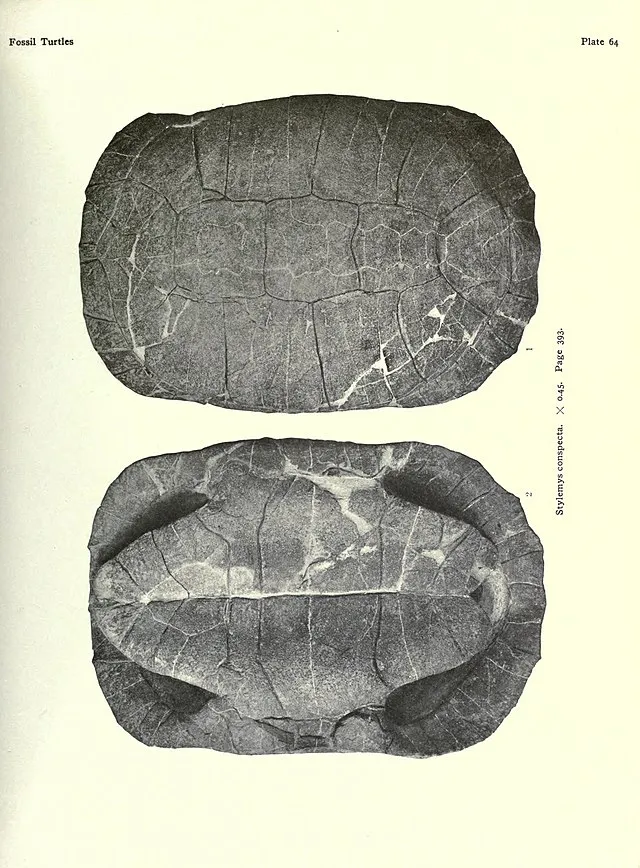
Turtles possess several anatomical features that make them excellent candidates for fossilization. The most critical is their shell, a rigid structure composed of bone and covered with scutes (horny plates). The shell acts as a protective shield, resisting physical damage and decomposition. Once a turtle dies, the shell can persist even as the soft tissues decompose, creating a natural mold for the shell. The bone in the shell can then undergo mineralization, replacing the original bone material with minerals and preserving the shell’s shape. Additionally, turtles often inhabit environments where they can be readily buried, such as riverbeds and swamps, further promoting fossilization. The sturdy skeletal structure of the turtle, combined with their habitat and the protective shell, increases the chances of their remains being preserved and fossilized over geological timescales.
Shells as a Key to Preservation
The turtle’s shell is the single most crucial factor in its fossilization potential. The shell is composed of bony plates (the carapace) and a plastron, which are often fused together, creating a robust, protective structure. This bony structure is very resistant to degradation, even in the presence of environmental factors like erosion and decay. The shell can act as a protective enclosure, preventing scavengers from accessing the internal organs and protecting the remains from rapid decomposition. The shell’s durability also means it can withstand the pressure from the sediment that accumulates over time. This increases the likelihood of the shell being preserved even as the soft tissues decay. The shell’s presence is often the only part of the turtle that survives the fossilization process, making it the key to understanding turtle evolution and diversity.
Common Turtle Fossil Locations
Fossil turtles are found worldwide, with certain locations proving to be particularly rich in turtle fossils. These areas often include ancient riverbeds, lake sediments, and coastal regions, where conditions were favorable for their preservation. The deposits in the Green River Formation in the United States are especially rich in turtle fossils, offering a glimpse into ancient aquatic ecosystems. Other significant sites are found in Europe and Asia, where fossilized turtles have been discovered in ancient lake beds. The preservation of turtle fossils in these locations is supported by the presence of fine-grained sediments, which facilitated rapid burial, and the favorable environmental conditions that promoted mineralization. Fossil locations provide invaluable data for paleontologists, shedding light on the evolution of turtles and the ecosystems in which they once thrived. (Image: Fossil Locations)
Tarantula Fossilization

Tarantula Anatomy and Fossilization Challenges
Tarantulas present significant challenges for fossilization. Unlike turtles, tarantulas lack a hard, protective shell. Their exoskeleton, made of chitin, is relatively thin and less resistant to decomposition. When a tarantula dies, its soft tissues quickly decompose, and the exoskeleton is easily broken down by scavengers or environmental factors. The delicate nature of the exoskeleton makes it susceptible to damage and distortion during burial and the fossilization process. Additionally, tarantulas often live in terrestrial environments, which may not always provide the ideal conditions for rapid burial and preservation. The absence of a durable shell and the vulnerability of the exoskeleton significantly reduce the likelihood of tarantulas becoming fossils, making their fossil record relatively sparse.
Exceptional Preservation of Tarantulas
Despite the challenges, there are instances of exceptional preservation of tarantulas. These cases typically occur under very specific circumstances. Rapid burial in fine-grained sediments, such as volcanic ash or amber, can create an environment where the tarantula’s remains are quickly entombed, protecting them from degradation. Amber, in particular, is known for its ability to preserve delicate organisms in stunning detail. The resin acts as a natural preservative, preventing decay and even preserving soft tissues. In some instances, tarantulas have been found with their hairs, internal organs, and other soft tissues preserved. Such discoveries are rare but invaluable, offering unique insights into the biology and evolution of these arachnids. However, these exceptional fossilizations are the exception, not the rule.
Rare Tarantula Fossil Discoveries

Tarantula fossils are rare, but their discovery is always a significant event in the field of paleontology. These fossils are typically found in locations where exceptional preservation conditions existed. These are often found in amber, where the resin has entombed the tarantula. Such amber fossils have revealed minute details such as the spider’s hairs, internal structures, and even preserved prey. Other rare finds have been in fine-grained sedimentary rocks, such as the Solnhofen limestone in Germany, which is known for its remarkable fossil preservation. The discovery of tarantula fossils provides valuable data for studying the evolution of these spiders, including their physical characteristics and the ecosystems they inhabited. Every new fossil discovery adds to the growing body of knowledge about these ancient arachnids and enhances our understanding of the history of life on Earth. (Image: Tarantula Anatomy)
Comparative Analysis Turtle vs Tarantula
Skeletal Structure and Fossilization Potential
The skeletal structure of an organism is a primary factor in determining its fossilization potential. Turtles, with their robust bony shells, have a clear advantage over tarantulas. The shell provides a stable framework, making it more resistant to decomposition and environmental damage. This durability allows the shell to survive the processes of burial, compression, and mineralization, preserving the turtle’s remains over millions of years. Tarantulas, on the other hand, have an exoskeleton that is less durable. The chitinous exoskeleton is more susceptible to damage and decay, making it less likely to survive fossilization. The absence of a hard shell reduces the chance of finding a complete or even well-preserved tarantula fossil, making turtles far more likely to fossilize due to the nature of their skeletal structure. (Image: Turtle skeleton)
Environmental Factors Favoring Fossilization

Environmental conditions play a crucial role in fossilization. Factors like rapid burial, the presence of anoxic (oxygen-free) environments, and the availability of minerals influence the preservation process. Turtles often inhabit aquatic and semi-aquatic environments, such as riverbeds, lakes, and swamps, where sediments can quickly bury their remains. This rapid burial is essential for preventing decomposition and protecting the remains from scavengers. In contrast, tarantulas are primarily terrestrial, and their remains are more vulnerable to decomposition and disturbance. The fossilization process also benefits from the presence of minerals in the surrounding sediments, which can replace organic material and preserve the organism’s structure. The environments favored by turtles generally offer better conditions for fossilization compared to the typical habitats of tarantulas. (Image: Sedimentary rock)
Likelihood of Fossilization Turtle or Tarantula
Considering all factors, turtles are far more likely to become fossils than tarantulas. The turtle’s hard shell, combined with their tendency to inhabit environments conducive to rapid burial, gives them a significant advantage. The shell provides a protective structure that resists decomposition and allows for mineralization. Tarantulas, lacking a shell, are more vulnerable to decay and less likely to be preserved. While there are rare exceptions, the overall fossil record demonstrates a clear bias towards the fossilization of turtles. The differences in anatomy and environment highlight the complex nature of fossilization and the role each factor plays. (Image: Comparative Fossil)
Conclusion
In the realm of paleontology, understanding the processes that lead to fossilization is crucial for interpreting the history of life on Earth. When it comes to comparing turtles and tarantulas, the evidence strongly favors turtles as being more likely to form fossils. Their robust shells, the environments they inhabit, and the conditions that promote preservation all contribute to their higher fossilization potential. Tarantulas, with their delicate exoskeletons and terrestrial habitats, face greater challenges in becoming fossils. While the fossil record can be incomplete, the differences between turtles and tarantulas illustrate the influence of anatomy and environment on the likelihood of an organism being preserved in the fossil record. Therefore, when asking which is more likely to form a fossil, the answer, based on current scientific understanding, is undoubtedly the turtle. (Image: Fossilization process)