What is a Giant Tarantula
Giant tarantulas are among the largest spiders on Earth, captivating both arachnophiles and those with a healthy fear of these eight-legged creatures. These impressive arachnids are not just big; they possess a fascinating biology and play a crucial role in their ecosystems. They belong to the Theraphosidae family, which encompasses a diverse range of tarantula species found across the globe. Known for their imposing size, hairy bodies, and sometimes intimidating presence, giant tarantulas are a subject of both curiosity and respect. Understanding these magnificent creatures requires delving into their physical characteristics, their preferred habitats, and the unique adaptations that allow them to thrive in diverse environments. The following facts will uncover the incredible life of the Giant Tarantula.
Size and Appearance
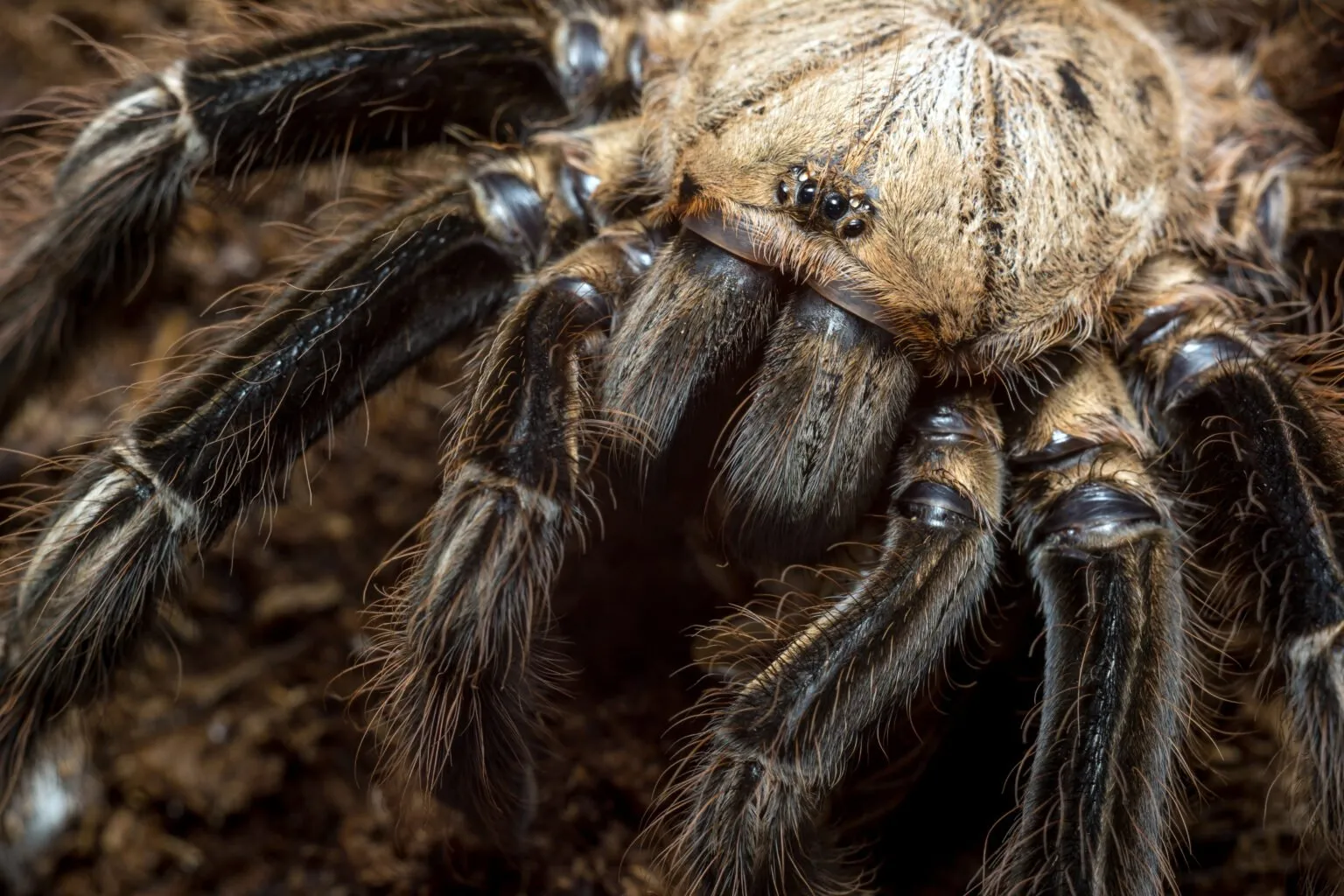
The sheer size of a giant tarantula immediately grabs attention. These spiders can have a leg span of up to 12 inches or more, making them truly remarkable in the arachnid world. Their bodies are covered in dense hairs, which serve several purposes, including sensory perception and defense. The coloration of giant tarantulas varies widely depending on the species and their geographical location. Some exhibit subtle earth tones, providing camouflage in their natural habitat, while others display vibrant colors that can startle. The overall appearance of a giant tarantula is robust, with powerful legs and large chelicerae (mouthparts) adapted for capturing and subduing prey. Their body is divided into two main parts the cephalothorax (fused head and chest) and the abdomen, each playing a vital role in the spider’s survival.
Habitat and Distribution

Giant tarantulas are primarily found in tropical and subtropical regions around the world. They inhabit diverse environments, ranging from rainforests and grasslands to deserts and scrublands. The distribution of specific species varies, with some endemic to certain areas while others have a broader range. These spiders are typically terrestrial, meaning they live on the ground, but some species are known to be arboreal, living in trees. They often create burrows or utilize natural shelters like rock crevices or beneath logs to hide. The availability of suitable prey and a favorable climate are critical factors determining where these spiders establish their homes. The natural habitat of giant tarantulas is essential to their survival, as they require the right conditions to thrive and successfully hunt.
Amazing Facts About Giant Tarantula
Fact 1 Size and Lifespan
Giant tarantulas are renowned for their impressive size, often boasting leg spans that can reach up to a foot or more. Their substantial size is a key factor in their hunting prowess and overall survival. Beyond their physical dimensions, the lifespan of a giant tarantula is surprisingly long, especially for females. Females can live for over 20 years in captivity, which is much longer than many other spider species. This extended lifespan allows them to mature, reproduce multiple times, and contribute significantly to the population. The long lifespans of these spiders are a testament to their robust biology and their ability to adapt to their environments.
Fact 2 Venom and Bites

While giant tarantulas possess venom, it is generally not considered highly dangerous to humans. Their venom is primarily used to subdue prey, and while a bite can be painful, it is typically not life-threatening. The effects of a bite may include localized pain, redness, and swelling. However, like any bite, there is a risk of allergic reaction, so it’s important to seek medical attention if symptoms worsen. Despite the relatively low risk of severe harm, it’s always wise to treat these spiders with respect and avoid handling them unnecessarily. The bites are usually a defense mechanism; it is better to appreciate them from a distance to keep both you and the spider safe.
Fact 3 Diet and Hunting
Giant tarantulas are primarily carnivorous, feeding on a diverse range of prey items. Their diet includes insects, small reptiles, amphibians, and occasionally small mammals and birds. They are ambush predators, meaning they wait for their prey to come within striking distance. Once a target is close enough, they pounce, injecting venom to immobilize it. Their powerful chelicerae are then used to crush and consume their meals. The hunting behavior of these spiders is quite fascinating to observe, showcasing their patience, precision, and predatory instincts. Their diet varies depending on the species and the availability of food in their habitat. Tarantulas play a crucial role in controlling insect populations and maintaining ecosystem balance.
Fact 4 Unique Defense Mechanisms
Giant tarantulas have evolved several remarkable defense mechanisms to protect themselves from predators. One of the most notable is their ability to flick urticating hairs from their abdomen. These hairs are barbed and can cause severe irritation and itching upon contact. They use this as a deterrent against potential threats. In addition to urticating hairs, many species also have the ability to bite, injecting venom as a defensive measure. Some tarantulas will also lift their front legs and display their fangs as a warning sign. Understanding these defense mechanisms is essential to appreciating the spider’s survival strategies and how they avoid danger in the wild.
Fact 5 Behavior and Temperament

The behavior and temperament of giant tarantulas vary among species. Some species are known to be more docile and less prone to biting, making them popular pets, while others can be more defensive and exhibit a more aggressive nature. Their activity levels also vary, with some species being more active hunters and explorers, while others are more sedentary, preferring to stay in their burrows. Giant tarantulas are solitary creatures, except during mating season. They communicate through vibrations and chemical signals. Observing their behaviors in the wild is a rewarding experience, allowing you to gain a deeper understanding of their fascinating lives and adaptations.
Conservation Status
The conservation status of giant tarantulas varies depending on the species and their geographical location. Some species are thriving, while others face threats such as habitat loss, deforestation, and the pet trade. Several conservation efforts are in place to protect these spiders. These efforts include habitat preservation, sustainable practices, and regulations on the pet trade. The global conservation status of the species is crucial to ensuring their survival. Educating the public about the importance of these creatures in the ecosystem helps to promote their preservation.
Conclusion
Giant tarantulas are remarkable creatures with fascinating adaptations and behaviors. From their imposing size and unique defense mechanisms to their role in the ecosystem, these spiders continue to captivate and intrigue. By understanding their biology, habitat, and conservation status, we can appreciate and protect these magnificent arachnids for future generations. Whether you’re an experienced arachnophile or a curious observer, the giant tarantula is an exciting reminder of the biodiversity our planet has to offer.