Goliath Birdeater vs Tarantula: Top 5 Showdown
The world of arachnids is filled with fascinating creatures, and two of the most impressive are the Goliath Birdeater and various species of tarantulas. While both are spiders and share many characteristics, they also have distinct differences that set them apart. This article provides a detailed comparison of the Goliath Birdeater versus tarantulas, focusing on their key aspects, including size, appearance, diet, defense mechanisms, habitat, and behavior. Whether you’re a seasoned arachnid enthusiast or simply curious about these eight-legged wonders, this showdown will provide valuable insights into their unique traits and characteristics. Get ready to explore the intriguing world of these impressive spiders and discover what makes them so captivating.
Size and Appearance
Goliath Birdeater

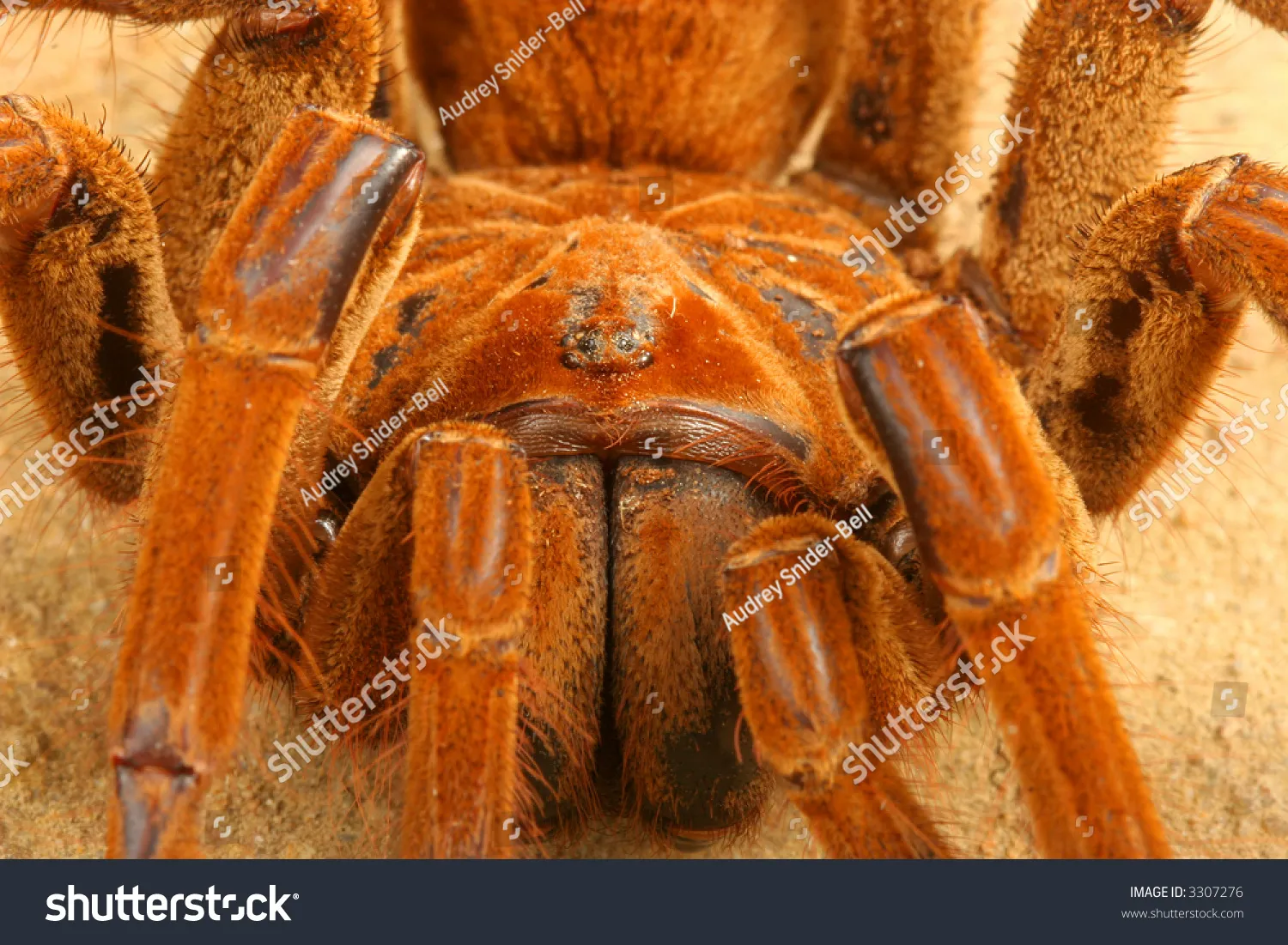
The Goliath Birdeater (Theraphosa blondi) truly lives up to its name. This massive spider is the largest spider in the world by mass, capable of reaching a leg span of up to 12 inches (30 cm) and weighing over 6 ounces (170 g). Its body is covered in dense, reddish-brown hairs, which give it a formidable appearance. The Goliath Birdeater’s chelicerae (mouthparts) are also quite large and powerful, reflecting its capability to subdue sizable prey. Their sheer size is often the first thing that captivates observers, setting them apart in the spider world. The Goliath Birdeater’s impressive size is matched by its robust build, making it a true giant among spiders. Its physical presence commands respect, and it is an awe-inspiring sight for anyone who encounters it.
Tarantula
Tarantulas encompass a wide variety of species, ranging in size from relatively small to quite large. While not all tarantulas are as massive as the Goliath Birdeater, some species can still reach impressive sizes, with leg spans of up to 10 inches (25 cm) or more. Tarantulas come in a vast array of colors and patterns, from the vibrant blues and oranges of some species to the more subdued browns and blacks of others. Their bodies are covered in hairs, which serve various functions, including sensory perception and defense. The diversity in appearance is one of the most appealing aspects of tarantulas, with each species displaying its unique blend of colors and patterns. The variations make them a popular choice for arachnid enthusiasts looking to add colorful and unique specimens to their collections.
Diet and Feeding Habits
Goliath Birdeater

Despite their name, Goliath Birdeaters don’t primarily feed on birds. Their diet in the wild consists mainly of insects, earthworms, and small vertebrates such as frogs, lizards, and even small snakes. They are opportunistic hunters, ambushing their prey from burrows or under cover. The Goliath Birdeater’s powerful chelicerae and potent venom help it subdue its prey. Their feeding habits often involve injecting venom to immobilize the victim, followed by the release of digestive enzymes to break down the tissues before they consume it. In captivity, they can be fed a variety of insects and occasional small vertebrates, with a diet designed to meet their specific nutritional needs. Their feeding style demonstrates their power and their role as predators within their ecosystem, highlighting their capability to hunt and consume relatively large prey items.
Tarantula
Tarantulas also have a varied diet, which includes insects, spiders, and occasionally small vertebrates, such as small rodents or birds. The specific diet of a tarantula depends on its size, the species, and its environment. They are generally ambush predators, using their fangs to inject venom and subdue their prey. Smaller tarantulas will primarily feed on insects like crickets or mealworms, while larger species can consume small vertebrates. Similar to the Goliath Birdeater, tarantulas use digestive enzymes to break down their food before consuming it. Providing a diverse diet is crucial for maintaining the health and well-being of tarantulas in captivity. Proper nutrition is vital to support growth, molting, and overall health, ensuring that the tarantula thrives in its enclosure.
Venom and Defense Mechanisms
Goliath Birdeater

The Goliath Birdeater possesses venom, but it is not considered highly toxic to humans. The primary defense mechanism of the Goliath Birdeater is its urticating hairs, which it flicks off its abdomen when threatened. These hairs cause intense irritation upon contact with skin and eyes. The urticating hairs are a significant deterrent to potential predators. In addition to urticating hairs, the Goliath Birdeater may also hiss or make a rasping sound by rubbing its legs together to signal a warning. Their venom can cause localized pain and discomfort, but it is not usually life-threatening to humans. This dual approach helps protect them against threats and makes it difficult for predators to approach.
Tarantula
Tarantulas also have venom, which varies in potency depending on the species. Most tarantula bites are not considered medically significant to humans, causing only mild pain, redness, and swelling. Like the Goliath Birdeater, many tarantulas have urticating hairs, which they can flick off their abdomen to irritate predators. Some species also possess other defense mechanisms, such as biting or striking with their fangs. The type of defense mechanism used depends on the species and the level of threat they are facing. The combination of venom, urticating hairs, and behavioral responses helps tarantulas to protect themselves in various situations. Tarantulas aim to avoid direct confrontation with predators by using these defensive tactics.
Habitat and Geographic Range
Goliath Birdeater

The Goliath Birdeater is native to the rainforests of northern South America, including countries such as Brazil, Venezuela, Guyana, and Suriname. They typically live in burrows, which they construct or take over in the ground. These burrows provide them with shelter from the elements and protection from predators. The humid environment of the rainforest is essential for the survival of the Goliath Birdeater, providing it with the moisture it requires. The Goliath Birdeater’s habitat is a key factor in its survival, as it plays an important role in its life cycle. The environmental requirements make the specific environmental conditions very important for their survival.
Tarantula
Tarantulas are found worldwide in diverse habitats, including deserts, grasslands, and tropical forests. Different species of tarantulas have adapted to various environments, ranging from arid regions to humid rainforests. Some tarantulas live in burrows, while others live in trees or under rocks. The broad geographical distribution of tarantulas showcases their adaptability and their success in colonizing various ecosystems. The diverse habitats of tarantulas highlight their resilience and their ability to survive in a range of climates and environments. This adaptability is a key factor contributing to their evolutionary success.
Temperament and Behavior
Goliath Birdeater

Goliath Birdeaters are generally considered to be defensive spiders. While they are not aggressive, they will readily defend themselves if they feel threatened. They may raise their front legs, hiss, or flick urticating hairs as a warning. While their large size and imposing appearance can be intimidating, Goliath Birdeaters are usually not prone to biting unless directly provoked. Proper handling is essential to avoid triggering their defense mechanisms. Due to their size and temperament, Goliath Birdeaters are often recommended for experienced arachnid keepers. Being familiar with their behaviors is essential for handling them safely and responsibly.
Tarantula
Tarantulas also vary in temperament, depending on the species. Some tarantulas are docile and can be handled with relative ease, while others are more defensive and prone to biting. Their behavior may also be influenced by factors such as age, sex, and environmental conditions. Some species tend to retreat into their burrows or hide, while others are more likely to stand their ground. The key to interacting with tarantulas is understanding their specific behaviors and providing an appropriate environment. Researching the specific species is crucial to understanding its temperament and providing proper care. It’s essential to approach any tarantula with respect, taking necessary precautions to ensure the safety of both the handler and the spider.
In conclusion, both the Goliath Birdeater and various tarantulas are fascinating arachnids with distinct characteristics. The Goliath Birdeater stands out due to its immense size and impressive defenses. Tarantulas, on the other hand, display diversity in size, appearance, and behavior. Ultimately, whether you prefer the Goliath Birdeater or a different type of tarantula depends on personal preference. Each spider type provides its own unique appeal and challenges for enthusiasts. Whether you are captivated by their size or their beauty, these arachnids continue to fascinate and inspire, making them remarkable creatures to study and appreciate.