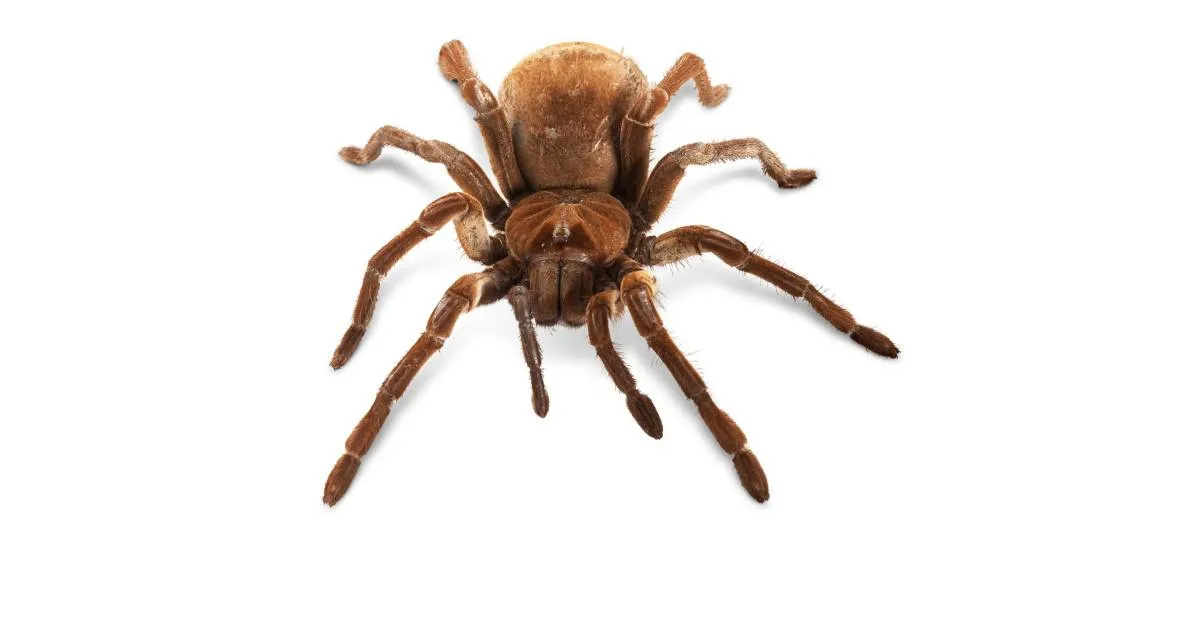
What is the Goliath Tarantula?
The Goliath Birdeater tarantula (Theraphosa blondi) is a truly remarkable creature. As the world’s largest spider by mass, it commands attention and respect from arachnid enthusiasts and casual observers alike. Found in the rainforests of northern South America, this impressive spider is more than just a big, hairy arachnid; it’s a fascinating example of adaptation and survival in a complex ecosystem. Its imposing size and unique characteristics have made it a subject of both scientific study and popular fascination, captivating those who dare to learn more about these magnificent giants. Understanding the Goliath tarantula involves delving into its biology, behavior, and the challenges it faces in its natural habitat.
Size and Appearance
The Goliath tarantula is, without a doubt, a sight to behold. Their leg span can reach up to 12 inches (30 cm) or more, and they can weigh over 6 ounces (170 grams), rivaling the weight of a small puppy. Their bodies are covered in dense, reddish-brown hairs, which serve both as sensory organs and a form of defense. These hairs give the spider a fuzzy appearance, and their coloration helps them blend into the forest floor, where they spend most of their time. The chelicerae, or fangs, are also substantial, capable of injecting venom that, while not lethal to humans, can be painful. These physical attributes solidify their position as one of the largest and most imposing spiders on Earth.
Habitat and Distribution

These impressive arachnids primarily inhabit the rainforests and swampy areas of northern South America. They are commonly found in countries such as Brazil, Venezuela, Guyana, Suriname, and French Guiana. They construct burrows, often near swamps and marshes, where they can find shelter from the elements and ambush unsuspecting prey. The humid environment of these rainforests is crucial for their survival, as it helps maintain the necessary moisture levels for their bodies. Their distribution is relatively localized, reflecting their specific habitat requirements and the availability of prey. They are a key part of their ecosystem, and their presence is an indicator of a healthy and thriving rainforest environment.
Behavior and Diet
Goliath tarantulas are primarily nocturnal hunters, emerging from their burrows at night to search for food. Their diet consists mainly of insects, but they are also known to prey on larger animals, including lizards, frogs, small snakes, and even small birds, hence their misleading name. They are ambush predators, waiting patiently for their prey to come within striking distance before launching a rapid attack. They inject venom to immobilize their victims and then use their chelicerae to crush and consume their meal. While capable of taking down significant prey, their diet primarily consists of insects and invertebrates found in their natural habitat. Their hunting strategies are highly adapted to the rainforest environment, allowing them to thrive in a competitive ecosystem.
Unique Defensive Mechanisms
Goliath tarantulas have several unique defensive mechanisms to protect themselves from predators. One of the most notable is their urticating hairs, which they flick off their abdomen when threatened. These hairs are barbed and can cause intense itching and irritation upon contact with the skin or eyes of a potential attacker. In addition to their hairs, they also possess large fangs and a defensive posture, which involves rearing up and displaying their fangs to deter predators. When threatened, they also produce a hissing sound by rubbing their legs together, further warning potential threats to back off. These defense strategies make them a formidable opponent in the wild.
Venom and Bite

While the Goliath tarantula’s bite can be painful due to its large fangs, its venom is not considered lethal to humans. The venom is primarily designed to subdue prey, not to kill or severely harm larger animals. A bite can cause localized pain, redness, and swelling, but these symptoms usually subside within a few hours or days. It is important to note that the Goliath tarantula, like all spiders, will only bite if provoked or threatened. Responsible handling and respect for their space are crucial to avoiding any negative encounters. There are no specific antivenoms for Goliath tarantula bites, and treatment typically involves managing the symptoms.
5 Amazing Discoveries About Goliath Tarantulas
Largest Spider in the World
As previously mentioned, the Goliath tarantula holds the title of the world’s largest spider by mass. This incredible size is not just a matter of impressive statistics; it also influences their behavior and ecological role. Their size allows them to hunt a wider range of prey, including animals that smaller spiders cannot capture. This characteristic gives them a unique position in the food chain and shapes the dynamics of their ecosystem. Their size also makes them a target for various predators, creating a complex balance within their environment. Their massive size is a testament to their adaptation to the rainforest environment.
Life Span and Growth

Goliath tarantulas have a relatively long lifespan, with females living up to 25 years in the wild, significantly longer than many other spider species. Males, on the other hand, have a shorter lifespan, typically only living for about 3 to 6 years. Their growth process involves molting, where they shed their exoskeleton to grow larger. This process is vulnerable and energy-intensive, making them susceptible to predators during the molting period. They molt multiple times throughout their lives, allowing them to increase in size and mature. The length of their lifespan and the frequency of molting reflect their slow and deliberate growth patterns.
Unique Bristles Defense
Their unique defensive mechanism using urticating hairs is a remarkable adaptation. The hairs are barbed and easily detach, causing intense irritation upon contact. This defense mechanism is highly effective against predators, deterring them from attacking. The ability to flick these hairs is a specialized behavior that allows the spider to protect itself from a distance. This unique defense strategy provides the Goliath tarantula with an advantage in a world full of potential threats.
Captivating Hunting Technique
The Goliath tarantula’s hunting technique is fascinating. They are patient ambush predators, waiting for their prey to come close. They possess sensitive hairs that detect vibrations, allowing them to sense the movement of potential meals. Once a target is within range, they launch a lightning-fast attack, using their fangs to inject venom and subdue the prey. This ambush style contrasts with the active hunting strategies of some other spider species. This hunting strategy is a key part of their survival in their rainforest environment.
Amazing Colors

While the Goliath tarantula’s primary coloration is a blend of reddish-brown, their appearance can change depending on factors such as their age, molting cycle, and environment. The hairs on their bodies can have different shades and textures. Some individuals may also display subtle color variations, which can be quite striking. Although not known for bright colors, their overall appearance and the sheer size are incredibly impressive. This natural camouflage enables them to blend seamlessly into their surroundings, making them even more effective ambush predators.
Goliath Tarantula in Human Culture
The Goliath tarantula, with its imposing size and appearance, has garnered significant attention in human culture. They are often featured in movies, documentaries, and video games, usually as symbols of fear and danger. However, for many arachnid enthusiasts, they are objects of fascination and respect. They are sometimes kept as pets, though this requires specialized knowledge and care. Their presence in popular culture reflects their ability to both terrify and intrigue. Their unique characteristics have made them a popular subject for study and observation.
Conclusion
The Goliath tarantula is a truly remarkable creature, a testament to the wonders of the natural world. From their impressive size and unique defensive mechanisms to their captivating hunting techniques, these spiders have much to teach us. Their existence underscores the importance of biodiversity and the delicate balance of the rainforest ecosystem. By understanding these magnificent creatures, we can better appreciate the importance of conservation and the need to protect their natural habitats. The Goliath tarantula is a reminder of the incredible diversity and beauty that exists within our world, and their survival is a responsibility that we all share.