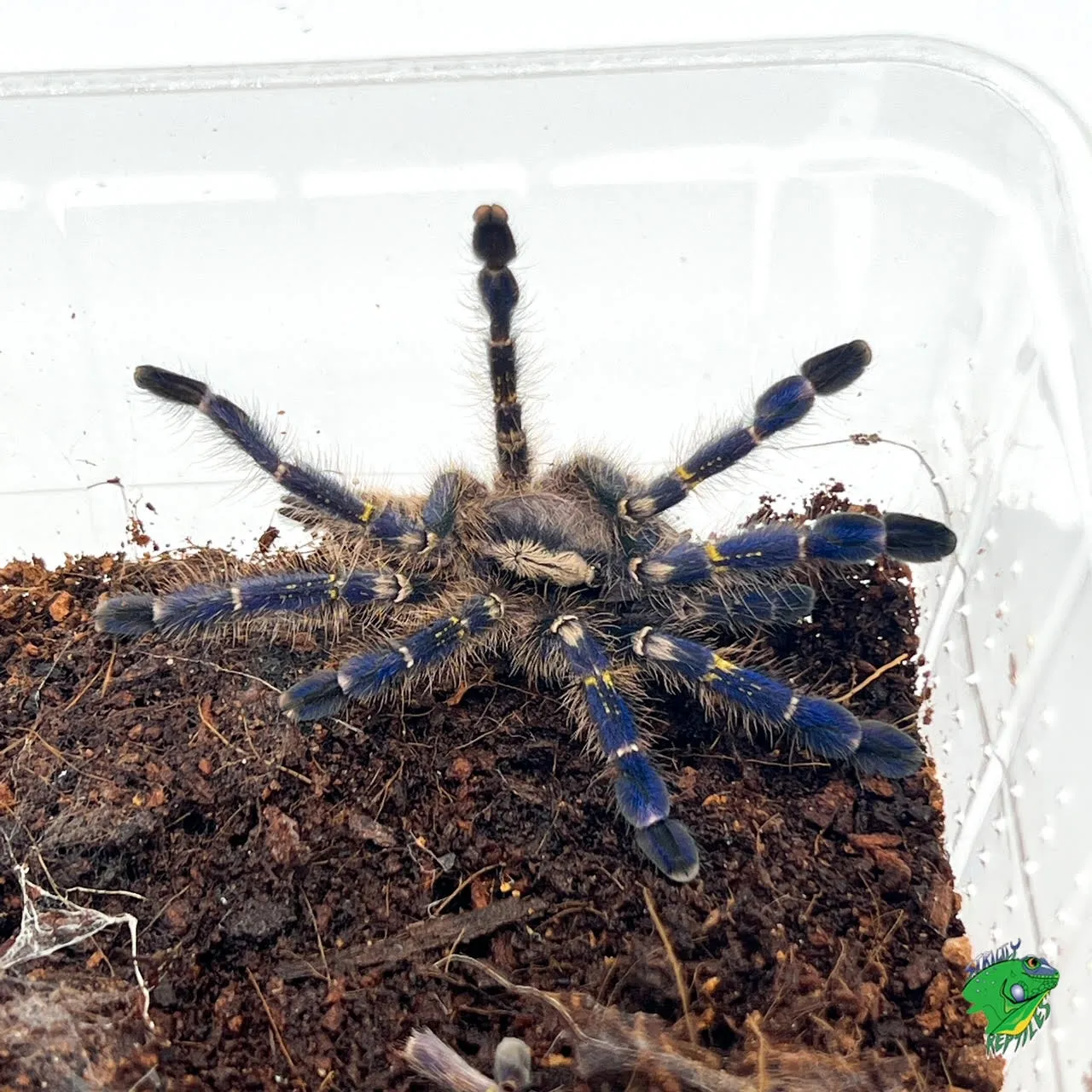
What is a Gooty Sapphire Tarantula
The Gooty Sapphire Ornamental Tarantula (Poecilotheria metallica) is a species of arboreal tarantula native to the tropical dry forests of Andhra Pradesh, India. These striking spiders are known for their vibrant metallic blue and yellow coloration, making them a highly sought-after species in the exotic pet trade. Their beauty, however, belies the potent venom they possess, and it’s crucial to understand both their allure and the potential dangers they present. These spiders are primarily active during the night, spending their days hidden in tree crevices or under bark. Their natural habitat is facing increasing threats from deforestation and habitat loss, making conservation efforts crucial.
Appearance and Habitat
Gooty Sapphire Tarantulas are instantly recognizable due to their stunning appearance. Their bodies are typically a dark gray or black, adorned with iridescent blue and yellow patterns on their legs and carapace. The striking coloration serves as a warning to potential predators, highlighting their venomous nature. In their natural habitat, these tarantulas thrive in the crevices of trees within the dry forests of India. They are well-adapted to these environments, using their strong claws to grip the bark and their web-spinning abilities to create nests and capture prey. The specific microclimates and available resources within these forests are crucial to their survival, making habitat preservation essential for their continued existence.
Unique Characteristics

Beyond their aesthetic appeal, Gooty Sapphire Tarantulas possess several unique characteristics that make them fascinating subjects of study. They are fast-growing spiders, reaching a significant size within a relatively short period. They are also known for their defensive behavior, often displaying a threat posture before resorting to biting. Their venom, although not typically lethal to humans, can cause significant pain and discomfort. Furthermore, their arboreal lifestyle distinguishes them from many other tarantula species, requiring specific considerations for their care in captivity. Their nocturnal habits also play a role in their behavior and interactions with their environment.
Understanding Tarantula Bites
Understanding the potential risks associated with tarantula bites is crucial for anyone interacting with these creatures. Tarantulas, including the Gooty Sapphire, possess fangs that they use to inject venom into their prey or, in the case of a bite, a perceived threat. The bite itself can be a painful experience, often accompanied by immediate localized symptoms. The severity of the bite can vary depending on several factors, including the amount of venom injected and the individual’s sensitivity. Proper understanding of the immediate and potential long-term effects can enable timely and appropriate medical response, minimizing the impact of the bite.
Venom and Its Effects
The venom of the Gooty Sapphire Tarantula contains a complex mixture of toxins that affect the nervous system. While not typically life-threatening to humans, the venom can cause significant pain, muscle cramps, and other unpleasant symptoms. The effects can vary from mild to severe, depending on the amount of venom injected and individual susceptibility. Some people may experience only localized pain and swelling, while others may experience more systemic symptoms such as nausea, dizziness, and difficulty breathing. The venom’s composition, although not fully understood, is a subject of ongoing research as scientists investigate its potential medical applications.
Severity of a Gooty Sapphire Bite

The severity of a Gooty Sapphire Tarantula bite depends on several factors, including the size of the spider, the amount of venom injected, and the individual’s sensitivity. Bites are rarely fatal to humans, but they can cause considerable distress. Common symptoms include immediate pain, swelling, redness, and itching at the bite site. Muscle cramps, nausea, and dizziness may also occur. In severe cases, the bite can lead to more serious reactions, such as difficulty breathing or allergic reactions. Seeking prompt medical attention is always advised, as it can help manage symptoms and prevent complications. The specific symptoms and their intensity can vary based on individual factors, making it important to seek professional advice.
Top 5 Facts About Gooty Sapphire Tarantula Bites
Fact 1 Immediate Symptoms
The most immediate symptoms of a Gooty Sapphire Tarantula bite include sharp, intense pain at the bite site. This pain is often described as a burning sensation, and it can quickly radiate outwards. Redness, swelling, and itching are also common. The affected area may become tender to the touch. In some cases, small puncture wounds from the fangs may be visible. It is essential to monitor the bite site closely for any changes in these initial symptoms and to seek medical attention if the pain is severe or if additional symptoms develop.
Fact 2 Long-Term Effects

While the immediate symptoms of a Gooty Sapphire Tarantula bite usually subside within a few hours or days, some long-term effects can occur. Muscle cramps, especially in the affected limb, can persist for several days. Some individuals may experience lingering pain or hypersensitivity at the bite site. In rare cases, allergic reactions can lead to more serious complications, such as difficulty breathing or systemic symptoms. It’s crucial to seek medical advice to manage any long-term symptoms and ensure proper recovery.
Fact 3 First Aid Procedures
Immediate first aid is essential after a Gooty Sapphire Tarantula bite. The first step is to remain calm and move away from the spider to a safe distance. Wash the bite area thoroughly with soap and water. Apply a cold compress to reduce swelling and pain. Elevating the affected limb can also help. It is important to seek medical attention promptly, especially if the pain is severe or if other symptoms develop. The goal is to minimize the effects of the venom and provide comfort until professional help arrives.
Fact 4 Medical Treatment
Medical treatment for a Gooty Sapphire Tarantula bite typically focuses on managing symptoms and preventing complications. Pain relievers can be administered to alleviate pain, and antihistamines may be used to reduce itching and allergic reactions. In severe cases, corticosteroids might be prescribed to reduce inflammation. Medical professionals will monitor the patient for any signs of systemic reactions, such as difficulty breathing. Antivenom is not typically available for tarantula bites, so supportive care is the primary focus. Observation and symptom management are critical components of medical treatment.
Fact 5 Prevention Strategies

Prevention is key to avoiding a Gooty Sapphire Tarantula bite. The most important step is to handle these spiders with extreme caution or avoid handling them altogether. Always wear appropriate protective gear, such as thick gloves, when handling or working near the tarantulas. Avoid sudden movements or actions that could startle the spider. Provide the tarantula with a secure and safe environment, as this reduces stress, decreasing the likelihood of a defensive bite. Education and awareness are crucial for anyone interacting with these fascinating but potentially dangerous creatures.
Bite Prevention
Preventing a Gooty Sapphire Tarantula bite is always better than dealing with the aftermath. The primary strategy is to avoid unnecessary contact with the spider. If you must handle the tarantula, wear appropriate protective gear, including thick gloves and long sleeves, to minimize the risk of a bite. Handle the spider gently and avoid any sudden movements that might provoke it. Ensure the tarantula’s enclosure is secure and well-maintained to prevent escape. Thoroughly educate yourself on the tarantula’s behavior and temperament before handling it. Understanding and respecting the spider’s needs and potential for defensive behavior are vital for safety.
Handling and Care Precautions
When handling a Gooty Sapphire Tarantula, it’s crucial to prioritize safety. Always handle the spider over a soft surface, such as a bed or a padded table, in case it falls. Avoid touching the spider directly with your bare hands. Use tools like tongs or a small container to gently move the tarantula. Handle the spider slowly and carefully. Keep the enclosure clean and provide appropriate temperature and humidity levels to maintain the spider’s health and minimize stress. Being well-prepared, informed, and cautious when handling the Gooty Sapphire Tarantula helps reduce the risk of a bite.
Creating a Safe Environment

Creating a safe environment for both the Gooty Sapphire Tarantula and yourself is essential. The enclosure should be secure, with a tightly fitting lid to prevent escape. The habitat should provide appropriate temperature, humidity, and substrate to mimic the spider’s natural environment. Avoid placing the enclosure in areas with high foot traffic or direct sunlight. Always wash your hands thoroughly after handling or interacting with the tarantula or its enclosure. By adhering to these guidelines, you can create an environment that promotes the health and well-being of your Gooty Sapphire Tarantula while minimizing the risk of a bite.