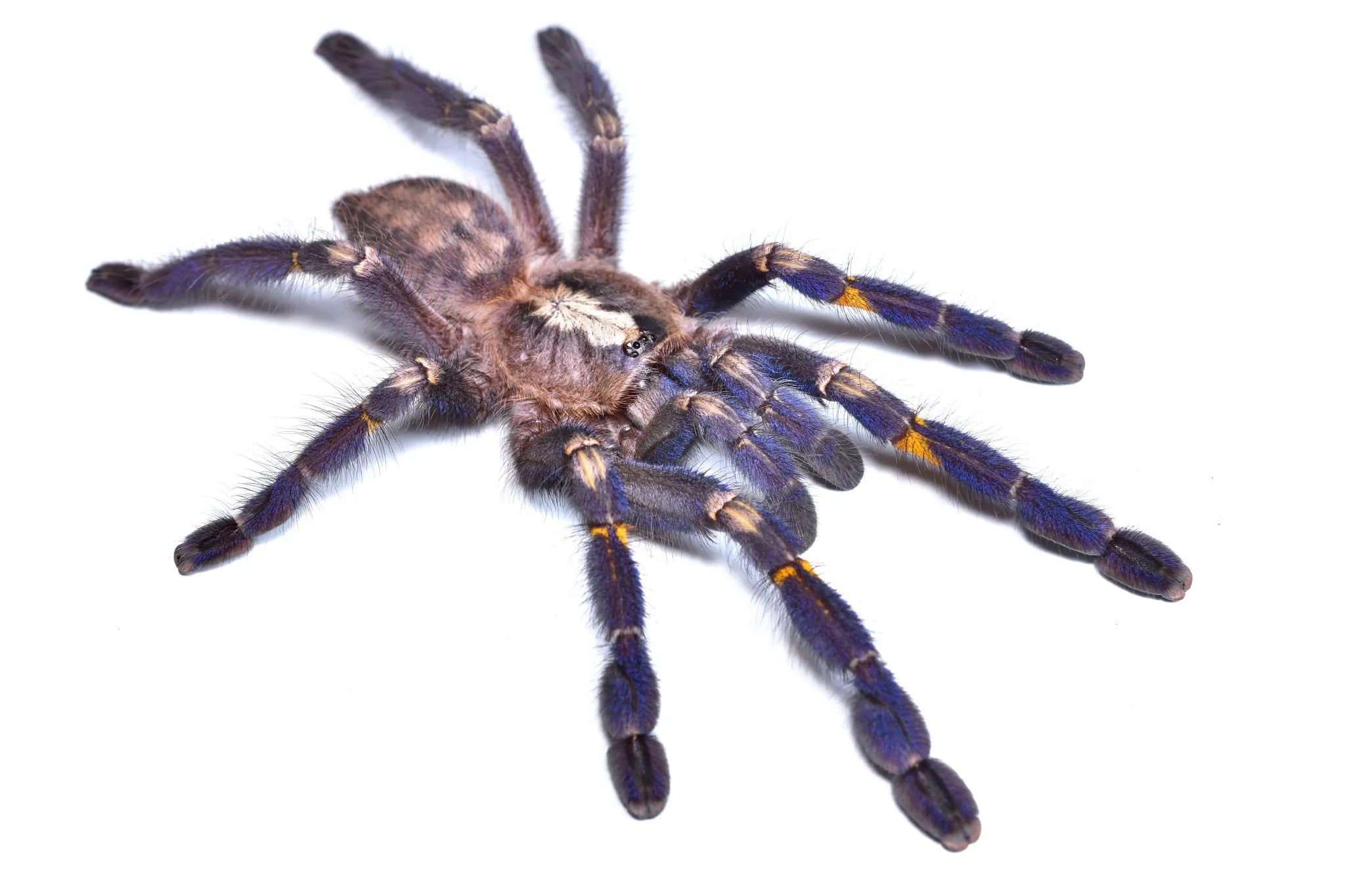
Gooty Tarantula: 5 Care Tips for a Thriving Pet
The Gooty Sapphire Ornamental, scientifically known as Poecilotheria metallica, is a stunning arboreal tarantula prized for its vibrant coloration and unique patterns. Originating from the forests of India, these spiders present a captivating addition to any invertebrate enthusiast’s collection. However, their care differs significantly from terrestrial species, requiring specific attention to habitat, feeding, and handling. This guide provides essential insights into the top 5 care tips, ensuring your Gooty tarantula thrives in captivity. Proper care not only ensures the spider’s well-being but also allows you to appreciate its beauty and fascinating behavior. Understanding these requirements is crucial for any potential or current Gooty tarantula keeper.
Creating the Ideal Habitat
Creating the perfect habitat is the foundation of Gooty tarantula care. As an arboreal species, they need vertical space to climb and explore. A secure enclosure is vital, ensuring they cannot escape. The habitat should mimic their natural environment as closely as possible to reduce stress and promote healthy behaviors. Proper enclosure setup not only provides a comfortable living space but also contributes to the overall health and longevity of your Gooty tarantula. A well-designed habitat simplifies maintenance and allows you to observe and appreciate the spider’s unique behaviors.
Enclosure Size and Substrate

A vertically-oriented enclosure is essential for Gooty tarantulas. A good starting point for an adult is a terrarium measuring at least 12x12x18 inches or larger. The size provides ample space for movement and the creation of a comfortable microclimate. Ensure the enclosure has good ventilation to prevent mold growth. For substrate, a mixture of coco fiber, sphagnum moss, and a small amount of topsoil works well. This combination helps maintain humidity while providing a surface for the spider to grip and burrow if desired. Avoid substrates that retain too much moisture, as this can lead to health issues. The substrate should be deep enough to allow the tarantula to burrow slightly if it chooses.
Temperature and Humidity
Gooty tarantulas thrive in temperatures between 75°F and 85°F (24°C and 29°C). Maintaining a consistent temperature is crucial, especially during cooler months. Use a heat mat on the side of the enclosure to provide supplemental heat. Avoid placing the heat source directly under the enclosure, as this can overheat the substrate. Humidity levels should be kept between 65% and 75%. Monitor humidity levels using a hygrometer and adjust as necessary. Misting the enclosure lightly with dechlorinated water every few days can help maintain humidity levels, but avoid over-misting, which can lead to mold. Good air circulation helps prevent excess humidity buildup.
Feeding Your Gooty Tarantula
Feeding your Gooty tarantula appropriately is vital for its health and growth. They are voracious eaters and will readily consume a variety of insects. A balanced diet ensures they receive all the necessary nutrients. Feeding habits vary depending on the spider’s age and size. Proper feeding not only ensures healthy growth but also allows you to observe natural behaviors. Careful attention to feeding practices helps prevent overfeeding, which can lead to health problems. Providing a varied diet contributes to the spider’s overall well-being and longevity.
Appropriate Food Choices

The diet of a Gooty tarantula should primarily consist of insects. Crickets, roaches, mealworms, and super worms are all suitable choices. It’s essential to vary the diet to provide a range of nutrients. Avoid feeding wild-caught insects, as they may carry parasites or pesticides. Always ensure the insects are gut-loaded with nutritious foods before feeding them to your tarantula. Supplementing the diet with pre-killed insects is a safe option. Offering a variety of prey items can also stimulate the spider’s natural hunting instincts, enriching their environment.
Feeding Frequency
The feeding frequency depends on the spider’s age and size. Spiderlings (young tarantulas) should be fed 2-3 times a week. Sub-adults and adults can be fed every 1-2 weeks. Adjust the feeding schedule based on the spider’s appetite and body condition. Observe the abdomen; a plump abdomen indicates a well-fed tarantula, while a shrunken abdomen suggests it’s time for a meal. Remove any uneaten prey within 24 hours to prevent stress to the tarantula and maintain cleanliness of the enclosure. Overfeeding can lead to health problems, so it’s important to monitor the tarantula’s feeding habits closely.
Water and Hydration
Providing access to clean water is crucial for your Gooty tarantula’s survival. Dehydration can be deadly for tarantulas. Regular access to water supports the spider’s vital bodily functions. Proper hydration maintains the spider’s overall health and contributes to its longevity. The availability of fresh water also helps during molting, ensuring the spider can shed its exoskeleton properly.
Providing Fresh Water

Always provide a shallow water dish with fresh, clean water. A bottle cap or a small, stable dish works well. Ensure the water dish is shallow to prevent drowning. Change the water every 1-2 days to prevent bacteria growth. In addition to a water dish, misting the enclosure can also help maintain humidity levels and provide another source of hydration. Regularly check the water dish to ensure it is clean and filled. Avoid using tap water directly, as it may contain chlorine or other harmful chemicals; use dechlorinated water instead.
Maintaining Humidity
Maintain humidity by misting the enclosure lightly with dechlorinated water every few days, depending on the environmental conditions and ventilation. Humidity is crucial for successful molting, but it’s important to avoid excessive humidity, which can lead to mold and fungal growth. The substrate also plays a role in maintaining humidity. A properly hydrated substrate helps regulate the moisture levels within the enclosure. Regular monitoring of humidity levels using a hygrometer is essential to ensure optimal conditions. Adjust ventilation as needed to regulate the humidity level within the enclosure.
Handling and Safety
Handling a Gooty tarantula is generally not recommended, especially for beginners, due to their potent venom and skittish nature. While their venom is not considered lethal to humans, their bite can be painful and cause localized reactions. Safety precautions are extremely important to prevent accidental bites. Understanding the spider’s behavior can help you avoid unnecessary stress. Handling should only be considered when absolutely necessary, such as during enclosure cleaning or health checks, and should be done with caution and expertise.
Safe Handling Practices

If handling is unavoidable, do so with extreme care. Use a soft paintbrush to gently guide the tarantula into a container. Avoid sudden movements or loud noises, which can startle the spider. Always keep the tarantula close to the ground to minimize the risk of injury if it falls. Wash your hands thoroughly before and after handling to prevent the spread of bacteria or contamination. Never handle a tarantula if you are tired or distracted. It is often best to admire these creatures from afar, where their beauty can be fully appreciated without risk of stress or harm.
Recognizing Signs of Stress
Be aware of the signs of stress in your Gooty tarantula. A stressed tarantula may flick hairs off its abdomen as a defensive mechanism. It might also adopt a defensive posture, rearing up its front legs or exposing its fangs. If your tarantula is repeatedly trying to escape the enclosure or exhibiting erratic behavior, it may be stressed. Provide a quiet, undisturbed environment to reduce stress. Minimize handling and avoid unnecessary disturbances. If the tarantula exhibits signs of stress, immediately return it to its enclosure and allow it to settle.
Health and Well-being
Maintaining the health and well-being of your Gooty tarantula involves several key aspects of care. Regular monitoring and observation are crucial for early detection of health problems. Proper habitat maintenance and a balanced diet also contribute significantly to overall health. Careful attention to these factors promotes a long, healthy life for your pet tarantula. Addressing health concerns quickly can prevent serious complications. A healthy tarantula is active, eats well, and shows no signs of distress.
Common Health Issues
Common health issues in Gooty tarantulas include mites, fungal infections, and impaction. Mites can be introduced through new substrate or live food and may cause irritation. Fungal infections are often caused by excessive humidity or poor ventilation. Impaction can occur if the spider has difficulty molting or consumes indigestible substrate. Quarantine new tarantulas to prevent the spread of potential illnesses. If you notice any unusual symptoms, consult with an experienced tarantula keeper or a veterinarian specializing in exotic animals.
Preventative Care
Preventative care is essential for ensuring your Gooty tarantula’s health. Regularly inspect the enclosure for any signs of mold or pests. Maintain appropriate humidity and temperature levels to prevent health issues. Ensure the substrate is clean and replaced regularly to prevent the build-up of waste and bacteria. Provide a varied diet of appropriately sized insects. Quarantine new tarantulas for a few weeks to monitor for signs of illness before introducing them to your existing collection. Proper preventative care will minimize the risk of health problems and help your Gooty tarantula thrive.