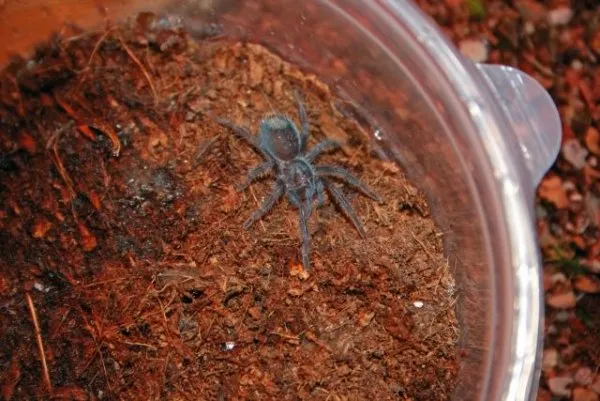
What is the Haitian Bird Eater Tarantula?
The Haitian Bird Eater Tarantula ( Phormictopus cancerides ) is a large, impressive spider native to the island of Hispaniola, which includes Haiti and the Dominican Republic. Despite its name, this tarantula rarely eats birds in the wild; the name is a misnomer stemming from early observations of tarantulas consuming small birds in captivity. This captivating arachnid is a popular subject among tarantula enthusiasts due to its size, striking appearance, and relatively docile temperament, making it a fascinating creature to study and observe. They play a crucial role in their ecosystem as predators, helping to control insect and small animal populations. This article will explore 7 fascinating facts about this captivating species.
Appearance and Characteristics
The Haitian Bird Eater Tarantula is renowned for its imposing size and striking appearance. Its physical characteristics make it easily distinguishable from other tarantula species. The spider’s overall look is a blend of power and beauty, a testament to its survival adaptations in its native habitat.
Size and Physical Features

These tarantulas are among the largest spiders in the world. Females can reach a leg span of up to 8 inches (20 cm) or more, while males are typically slightly smaller. Their bodies are robust and covered in dense hairs. This overall large size is an advantage in their natural habitat, providing them with a competitive edge in hunting and defense against potential predators. The sheer size also helps them to regulate their body temperature, providing better insulation and protection.
Coloration and Markings
The coloration of the Haitian Bird Eater Tarantula can vary, but typically, they display a combination of dark browns, blacks, and sometimes reddish hues. The legs and body are usually covered in a fine layer of hairs that provide sensory information and assist with camouflage. The contrast of colors and markings adds to their aesthetic appeal, making them a visually striking species. Their colors help them blend in with their surroundings, providing camouflage in their natural habitat, which is essential for ambushing prey.
Habitat and Natural Environment
Understanding the Haitian Bird Eater Tarantula’s natural environment is crucial for appreciating its survival adaptations and conservation needs. Their habitat influences everything from their behavior to their physical characteristics. The specific conditions in their native environment play a critical role in their overall well-being.
Where They Live

This species is endemic to the island of Hispaniola, including both Haiti and the Dominican Republic. They thrive in a variety of habitats across this island, from lush rainforests to drier, more open environments. The tarantula’s presence throughout Hispaniola highlights its adaptability and resilience within its ecosystem.
Preferred Habitat
Haitian Bird Eater Tarantulas prefer humid environments with abundant ground cover, such as leaf litter, burrows, and rock crevices. These features provide shelter and a place to ambush prey. They are primarily terrestrial spiders, spending most of their time on the ground. The presence of suitable habitats is essential for the tarantula’s survival, providing protection from predators and the elements.
Diet and Feeding Habits
The feeding habits of the Haitian Bird Eater Tarantula are a key aspect of its biology and behavior. Understanding their diet provides valuable insights into their role within their ecosystem. Their feeding habits have evolved to ensure survival in their natural environment.
What They Eat

Despite their name, Haitian Bird Eater Tarantulas primarily feed on insects, such as crickets, roaches, and other invertebrates. They are opportunistic predators and will also consume small vertebrates, such as lizards and rodents, if the opportunity arises. They use their fangs to inject venom into their prey, paralyzing them before consuming them. Their diverse diet helps them maintain a healthy and balanced intake of nutrients.
Feeding Frequency
The feeding frequency for these tarantulas varies depending on their age and the availability of food. Young tarantulas need to eat more frequently to support their growth, while adults can go for extended periods without food. Typically, adults are fed once or twice a week, depending on their appetite and the size of the prey. The feeding frequency may vary depending on whether they are in a molting cycle.
Behavior and Temperament
The behavior and temperament of the Haitian Bird Eater Tarantula are essential factors for both enthusiasts and researchers. Their behavior encompasses various aspects, including how they interact with their environment, their responses to stimuli, and their overall temperament. Understanding their behavioral traits is crucial for providing proper care and ensuring their well-being.
Typical Behavior

The Haitian Bird Eater Tarantula is generally known for its calm and docile temperament. They are not typically aggressive and prefer to retreat or defend themselves rather than attack. They are primarily nocturnal creatures, becoming most active during the night to hunt for food. They tend to be ambush predators, waiting patiently for prey to come within striking distance. Their behavior is largely influenced by their environment, including factors like temperature, humidity, and the presence of potential threats.
Handling and Interaction
Although they are generally docile, it’s essential to handle Haitian Bird Eater Tarantulas with caution. While their bite is not usually life-threatening to humans, it can be painful. It’s crucial to approach them calmly and avoid sudden movements. When handling, it’s best to do so close to the ground to minimize the risk of injury if they fall. Washing hands thoroughly before and after handling is recommended to prevent the transmission of any potential irritants or pathogens. They may flick urticating hairs as a defense mechanism, which can cause irritation if they come into contact with skin.
Lifespan and Life Cycle
Understanding the lifespan and life cycle of the Haitian Bird Eater Tarantula is essential for responsible care and appreciating its unique characteristics. The time it takes for them to mature, reproduce, and the duration of their lives are important factors in understanding their overall biology.
Average Lifespan

Female Haitian Bird Eater Tarantulas can live for an impressive lifespan of up to 10-15 years or more in captivity, while males typically have a shorter lifespan, around 3-5 years. Several factors, including diet, habitat, and overall health, influence their longevity. Providing optimal conditions will allow them to live to their full potential. Longevity also varies depending on the specific genetics of the individual tarantula.
Moulting Process
Like all tarantulas, Haitian Bird Eaters molt to shed their exoskeletons as they grow. This process involves the tarantula creating a new, larger exoskeleton beneath its old one. During molting, they are incredibly vulnerable. It’s important to avoid disturbing them during this time. The molting process can take several hours or even days to complete. The frequency of molting depends on their age, with younger tarantulas molting more frequently than adults. After molting, the tarantula will be softer and brighter in color, waiting a few days for their new exoskeleton to harden fully.
Conservation Status
The conservation status of the Haitian Bird Eater Tarantula is an important consideration for protecting this unique species. Understanding the threats they face and the conservation efforts undertaken is crucial for their survival. Their overall health is also affected by the environmental circumstances in which they live.
Threats to Survival

The Haitian Bird Eater Tarantula faces several threats in its natural habitat, including habitat loss due to deforestation and agricultural expansion. Also, the collection for the pet trade, though regulated, can put pressure on wild populations. Climate change is also a growing concern, which affects their habitat and prey availability. Addressing these threats is crucial for protecting this species and its environment.
Conservation Efforts
Several conservation efforts are in place to protect the Haitian Bird Eater Tarantula, including habitat preservation projects and sustainable tourism initiatives. Regulating the pet trade is also important in ensuring that the tarantulas are not over-collected. These efforts are critical in securing their long-term survival. Awareness campaigns also play a vital role in educating the public about the importance of biodiversity and conservation. These projects aim to protect and restore the habitat of the Haitian Bird Eater Tarantula.
Interesting Facts about the Haitian Bird Eater Tarantula
The Haitian Bird Eater Tarantula’s size and striking appearance make it a fascinating creature, as it is one of the largest tarantulas globally. They possess potent venom that they use to subdue their prey. They are a captivating species for both enthusiasts and researchers. They have an essential role in their natural ecosystem.
In conclusion, the Haitian Bird Eater Tarantula is a remarkable species with intriguing characteristics and behaviors. Understanding its biology, conservation status, and the threats it faces is essential for protecting this magnificent arachnid and the environment it inhabits.