What Do Tarantulas Eat?
Tarantulas are fascinating creatures, and one of the most important aspects of caring for them is understanding their dietary needs. These large, hairy spiders are primarily insectivores, meaning their diet consists mainly of insects. However, their specific dietary requirements can vary slightly depending on the species and age of the tarantula. Providing a balanced diet is essential for their health, growth, and overall well-being. A well-fed tarantula is more likely to thrive and exhibit its natural behaviors, making it a rewarding pet to keep. The following sections detail the best foods, feeding frequency, and common mistakes to avoid, ensuring you can properly care for your tarantula.
The Best Food for Your Tarantula
Choosing the right food is crucial for your tarantula’s health. A varied diet that mimics what they would eat in the wild is ideal. This includes live insects, pre-killed insects, and ensuring they have access to fresh water. The type and size of the insects you offer should be appropriate for the size of your tarantula. Juvenile tarantulas require smaller prey items, while larger adults can handle bigger meals. Avoid feeding your tarantula insects that are too large, as this can be stressful and potentially dangerous. It’s also important to ensure the insects are healthy and free from pesticides, which can be harmful to your pet. A well-balanced diet contributes to a healthy tarantula, promoting good molting, growth, and overall vitality.
Live Insects

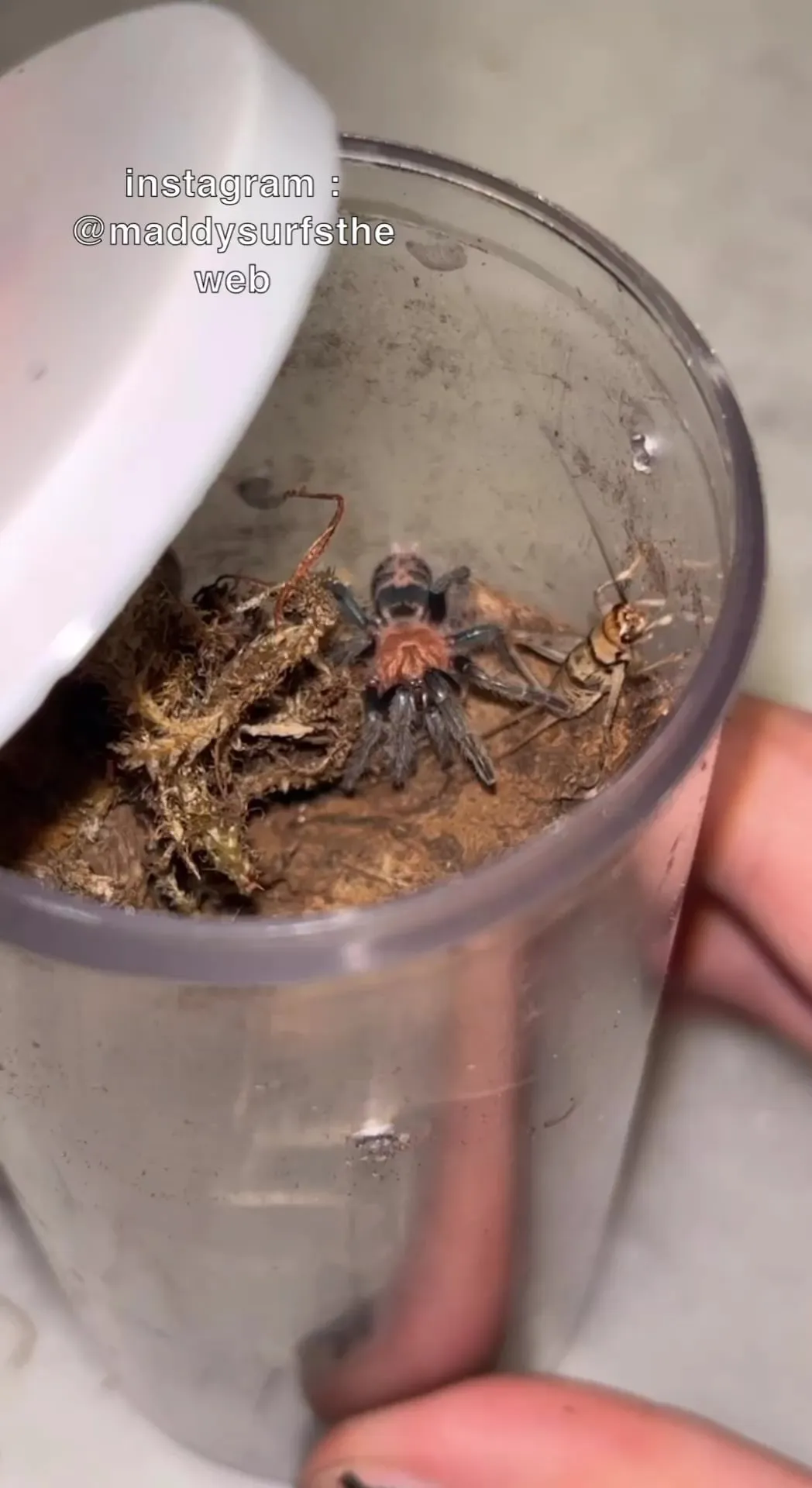
Live insects are the cornerstone of a tarantula’s diet. These provide essential nutrients and stimulate the tarantula’s natural hunting instincts. Crickets are a popular and readily available option, but you can also use other insects like mealworms, superworms, roaches (such as Dubia roaches), and grasshoppers. When selecting live insects, make sure they are gut-loaded before feeding them to your tarantula. Gut-loading involves feeding the insects nutritious foods like fruits, vegetables, and commercial insect food. This ensures that your tarantula receives a more balanced diet. The size of the live insects should be appropriate for your tarantula; a good rule of thumb is to offer insects that are no larger than the tarantula’s body size. This prevents the tarantula from being overwhelmed and makes the feeding process safer. Image: tarantula-live-prey-3.webp
Pre-killed Insects
Pre-killed insects offer a convenient and safe alternative, particularly for beginner tarantula keepers or those who are uncomfortable with live feeding. You can humanely kill insects yourself or purchase them pre-killed from a pet store. This method reduces the risk of injury to your tarantula from struggling prey. While pre-killed insects lack the stimulation of live prey, they still provide essential nutrients. Make sure to offer pre-killed insects within a reasonable timeframe, as they can spoil. It’s best to remove uneaten pre-killed insects after a short period to prevent the growth of bacteria and maintain a healthy environment for your tarantula. Many tarantula keepers will alternate between live and pre-killed insects to provide variety in their pet’s diet. Image: tarantula-eating-insect-2.webp
Supplements and Water
In addition to insects, ensure your tarantula has access to fresh, clean water at all times. Use a shallow water dish that is easy for your tarantula to access, and regularly clean it to prevent the growth of bacteria. Some keepers also provide calcium and vitamin supplements, especially for growing tarantulas. These supplements can be dusted on the insects before feeding. However, it is important to avoid over-supplementing, as this can be harmful. Always follow the recommendations of a veterinarian or experienced tarantula keeper. Providing a balanced diet with the appropriate supplements and plenty of water is vital for your tarantula’s well-being, promoting healthy growth and molting. Image: tarantula-water-dish-4.webp
How Often Should You Feed Your Tarantula?

The frequency of feeding depends on several factors, including the tarantula’s age, species, and overall health. Juvenile tarantulas need to eat more frequently than adults because they are growing. It’s crucial to monitor your tarantula’s abdomen size; a well-fed tarantula will have a plump abdomen. A tarantula that is not eating or has a very small abdomen might need more frequent feeding or could be experiencing health issues. Avoid overfeeding, as this can lead to health problems and obesity. Proper feeding frequency ensures your tarantula gets the nutrients it needs without compromising its health. Always observe your tarantula’s behavior and adjust the feeding schedule as needed, in order to provide optimal care. Image: tarantula-feeding-frequency-5.webp
Feeding Frequency Based on Age
Young tarantulas, or spiderlings, require more frequent feeding to support their rapid growth. They should be fed two to three times a week, depending on their size and the size of the prey. As tarantulas mature, you can gradually reduce the feeding frequency. Sub-adults can be fed once a week, while adult tarantulas often only need to be fed once every one to two weeks. It’s important to observe your tarantula’s feeding habits and adjust the schedule accordingly. If your tarantula refuses food, it might be preparing to molt or could be stressed. Never force-feed a tarantula. Understanding these age-related feeding guidelines will help you provide the correct amount of food at the appropriate times.
Feeding Frequency Based on Species
Different tarantula species may have slightly different feeding requirements. Some species, such as those from warmer climates, may have faster metabolisms and require more frequent feeding than others. Research the specific needs of your tarantula species to provide the best care. Some species are known to be voracious eaters, while others can go for extended periods without food. It’s important to consider your tarantula’s species and individual characteristics. Observe your tarantula’s behavior, appetite, and body condition. Adjust the feeding schedule as needed to ensure it receives the correct amount of food, promoting optimal health. Consulting with experienced tarantula keepers or a veterinarian who specializes in exotic animals is always a good practice.
How to Feed a Tarantula

Feeding your tarantula involves more than just putting food into its enclosure. It’s essential to create a safe and stress-free environment. You can use long tweezers or tongs to offer the food, keeping your hands away from the tarantula’s fangs. This helps protect you from potential bites and prevents startling the spider. Providing the food directly in front of the tarantula encourages it to eat. Never disturb a tarantula while it is eating; let it enjoy its meal undisturbed. Ensure the enclosure is clean and well-maintained to promote a healthy environment for your tarantula. Always wash your hands before and after handling your tarantula or its food items. Proper feeding techniques contribute to the safety of both the keeper and the tarantula, making the feeding process a positive experience. Image: man-feeding-tarantula-1.webp
Preparing the Food
Before feeding, ensure the insects are healthy and properly gut-loaded, if using live prey. If you are using pre-killed insects, make sure they are fresh and have been stored correctly. When using live prey, consider removing any legs or pinchers from insects that may pose a threat to your tarantula. This reduces the risk of injury. Some keepers will also lightly crush the head of a pre-killed insect to make it more appealing. Preparing the food properly ensures your tarantula receives the most nutritional value and minimizes potential risks. Proper food preparation sets the stage for a successful and safe feeding experience. Observing best practices will ensure you care for your tarantula.
Offering the Food
Carefully offer the food to your tarantula using long tweezers or tongs. Gently place the insect near the tarantula, allowing it to approach and grasp the prey. Do not drop the insect directly onto the tarantula, as this can startle it. Observe your tarantula’s reaction. Some tarantulas will immediately attack, while others may take a moment to investigate. If the tarantula does not show interest, you can try gently nudging the insect closer. Avoid excessive handling or disturbance, as this can stress the tarantula. Providing a calm and safe environment is essential for encouraging a healthy feeding response. Watch the tarantula grab the insect. Image: man-feeding-tarantula-6.webp
Removing Uneaten Food

After 24 hours, remove any uneaten food from the enclosure. This prevents the buildup of waste, which can attract pests and create an unhealthy environment. Rotting insects can also pose a health risk to your tarantula. Use tweezers or tongs to remove the uneaten food. Regularly cleaning the enclosure and removing any remaining food helps maintain a sanitary environment and promotes your tarantula’s well-being. Thoroughly inspect the enclosure during each cleaning, identifying any potential issues and ensuring your tarantula’s health and safety. Image: tarantula-uneaten-food-7.webp
Common Feeding Mistakes to Avoid
Several common mistakes can negatively impact your tarantula’s health. Overfeeding, underfeeding, and improper food handling are among the most prevalent errors. Being aware of these mistakes can significantly improve your tarantula-keeping experience. It is essential to research the species’ needs and observe its behavior. By avoiding these mistakes, you can provide a better quality of life and ensure your tarantula thrives in a healthy environment. Careful attention to feeding habits will help you avoid common pitfalls that can harm your tarantula.
Overfeeding Your Tarantula
Overfeeding is a common mistake that can lead to serious health problems, including obesity and a shortened lifespan. A tarantula that is constantly being offered food and is always full will have an overly distended abdomen. This can put strain on its internal organs and make it difficult for the tarantula to molt. Monitor your tarantula’s abdomen size and adjust the feeding frequency accordingly. Always offer food at appropriate intervals. Avoid the temptation to overfeed, even if your tarantula appears to have a strong appetite. Overfeeding may also cause premature molting, which is stressful for the tarantula. Image: tarantula-healthy-8.webp
Underfeeding Your Tarantula

Underfeeding can lead to a tarantula that is underweight and malnourished. This is especially problematic for juvenile tarantulas, which need sufficient nutrients for growth. A tarantula that is not getting enough food may exhibit a sunken abdomen and may be less active. It may also have difficulty molting. If you suspect your tarantula is not eating enough, increase the feeding frequency or offer more appropriately sized prey. Ensure that you are providing the appropriate diet for the tarantula’s age and species. Consulting with experienced keepers or a veterinarian can help you determine whether your tarantula is getting the proper nutrition. A healthy, well-fed tarantula is more likely to thrive and exhibit its natural behaviors.
Improper Food Handling
Improper food handling can introduce harmful bacteria, parasites, or pesticides to your tarantula’s enclosure. Always source your insects from a reputable supplier to avoid contamination. Never feed insects that have been exposed to pesticides or other chemicals, which can be toxic to your tarantula. Thoroughly clean the insects, if needed, and ensure they are free of contaminants. Practice proper hygiene by washing your hands before and after handling food or interacting with your tarantula. Careful food handling is critical for maintaining a healthy environment and preventing illness or disease. Adhering to safe practices can help you provide the best care possible for your tarantula.