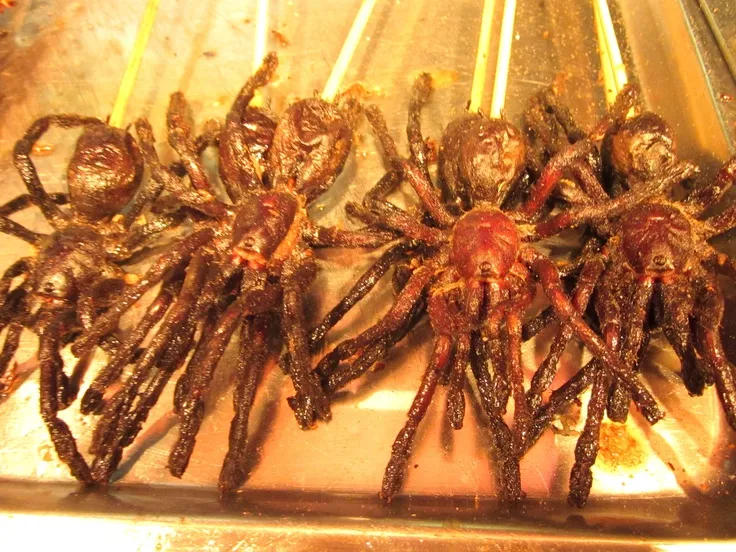
What is a Fried Tarantula
Fried tarantula, a delicacy in certain cultures, particularly in Southeast Asia, is exactly what it sounds like a tarantula spider that has been cooked in oil. The practice of eating insects, known as entomophagy, is not uncommon globally, and fried tarantulas are a prime example of this. The spiders are typically fried whole, and the preparation methods vary, but the goal remains the same to create a crispy, flavorful, and safe-to-eat dish. It’s a food that sparks curiosity, and sometimes apprehension, among those unfamiliar with it, but for those who enjoy it, it offers a unique culinary experience. The texture is often described as crispy on the outside and soft on the inside, with a taste that can vary depending on the preparation, often compared to a mix of crab meat and chicken.
Why Eat Fried Tarantula
The reasons for consuming fried tarantulas are varied. For some, it’s a cultural tradition, a food that has been passed down through generations and represents a connection to their heritage. For others, it’s a matter of curiosity and a willingness to try something new. Beyond cultural and adventurous factors, there are also practical reasons. In regions where tarantulas are readily available, they can be a sustainable food source. They require less resources to produce than traditional livestock, and can provide a significant amount of protein and other nutrients. Moreover, the environmental impact of insect farming is considerably lower compared to raising cattle or poultry. Also, for some, it is a challenge, a way to test boundaries of what is considered palatable.
Nutritional Benefits of Fried Tarantulas

Fried tarantulas can be surprisingly nutritious. They are a good source of protein, which is essential for building and repairing tissues in the body. Protein content can range from 15 to 20 grams per 100 grams of the spider, depending on its size and species. In addition to protein, tarantulas also contain other important nutrients. They offer a moderate amount of fat, with both saturated and unsaturated fats. The fat content contributes to the overall energy density of the food. They provide vitamins and minerals, including iron, zinc, and magnesium, which are crucial for various bodily functions. Moreover, chitin, a dietary fiber found in the exoskeleton of the tarantula, has been linked to digestive health benefits. However, like any food, moderation is key, and the nutritional profile can be affected by preparation methods, particularly the use of oil in frying.
Ingredients You Need for Fried Tarantulas
The ingredients needed for frying tarantulas are relatively simple, with the tarantula being the star. The primary ingredient is, of course, the tarantula itself, which needs to be sourced safely and ethically. Aside from the spider, you’ll need cooking oil, preferably one with a high smoke point such as vegetable or peanut oil, for deep frying. For flavoring, common ingredients include salt, pepper, garlic, and sometimes other spices like chili powder or paprika, depending on your preference. Some recipes also include a batter, which might consist of flour, eggs, and seasonings. The batter adds a crispy coating to the spider as it fries. Make sure you have tools like a deep fryer or a large pot suitable for frying, a thermometer to monitor the oil temperature, tongs for handling the spiders, and a plate lined with paper towels to drain excess oil.
The Best Tarantula for Frying
Not all tarantulas are created equal when it comes to culinary use. Certain species are more suitable for consumption due to their size, palatability, and availability. The specific species used often depends on regional availability. In many parts of Cambodia, for instance, the ‘a-ping’ tarantula (Haplopelma albostriatum) is a popular choice. These spiders are relatively large and meaty, making them ideal for frying. When selecting tarantulas for cooking, it’s crucial to ensure they are sourced from a reputable supplier to avoid consuming spiders that may have been exposed to pesticides or other harmful substances. Also, younger spiders or those that have recently molted may not be as flavorful or have the same texture as mature ones. Consider the size of the tarantula; larger ones tend to have more meat. Finally, consider the legality and ethical implications of harvesting or purchasing tarantulas in your area. Respecting local regulations and ensuring sustainable practices are essential.
Preparing the Tarantula for Cooking

Preparing tarantulas for frying involves several crucial steps to ensure both safety and a palatable final product. Firstly, the tarantula must be humanely euthanized. This is usually done by placing them in a freezer. Once the tarantula is confirmed to be deceased, the next step is cleaning. The tarantula should be rinsed thoroughly to remove any dirt or debris. Some cooks choose to remove the fangs, as they can be a hazard. Also, removing the abdomen is a matter of personal preference. It can be considered the most flavorful part of the spider, but it also contains digestive juices that some find unpleasant. If the abdomen is kept, be sure to pierce it to allow the juices to escape during cooking, which also helps prevent the spider from exploding in the hot oil. Finally, seasoning the tarantula is essential to enhance its flavor. This can be done by marinating the spider in a mix of spices or simply coating it with salt, pepper, and other desired seasonings before frying.
Cleaning and Handling the Tarantula
Cleaning and handling a tarantula is as important as the cooking process itself. Before any cooking begins, the tarantula must be thoroughly cleaned. Rinse the spider under cold running water to remove any dirt or debris. Gently pat the tarantula dry with paper towels. Handle the tarantula with care throughout the process to avoid damaging its delicate structure. When removing the fangs, use a pair of tweezers or small pliers. If keeping the abdomen, consider making a small puncture to release the digestive fluids, which can affect taste and texture. Wash your hands thoroughly with soap and water before and after handling the tarantula to maintain hygiene. Always work in a clean and well-lit area to ensure proper handling. Use clean utensils and cutting boards to prevent cross-contamination. Be mindful of any allergies you or your guests may have to insects, as allergic reactions are possible. Following these steps ensures a safe and enjoyable culinary experience.
Seasoning the Tarantula
Seasoning the tarantula is key to enhancing its flavor and ensuring a delicious result. The seasoning can be as simple or complex as you like, depending on your taste. A basic seasoning usually involves salt and black pepper to bring out the natural flavors of the spider. Garlic powder and onion powder add depth and savory notes. For those who enjoy a bit of heat, a pinch of chili powder or cayenne pepper can be added. Before frying, you can marinate the tarantula in a mixture of soy sauce, garlic, ginger, and sesame oil for a deeper flavor. Another method involves coating the tarantula in a batter made from flour, eggs, and seasonings. This creates a crispy exterior and adds another layer of flavor. Regardless of your choice, make sure the seasoning is evenly distributed. The goal is to complement the natural taste of the tarantula and create a balanced, delicious dish.
How to Fry a Tarantula Step by Step

Frying a tarantula is a straightforward process when following these steps. Begin by heating the cooking oil in a deep fryer or a large pot to a temperature of 350°F (175°C). Ensure the oil is deep enough to submerge the tarantula completely. If using a batter, prepare it according to your chosen recipe. Lightly dust the seasoned tarantula with flour, if not using batter. Carefully lower the tarantula into the hot oil using tongs or a slotted spoon. Fry the tarantula for 5-7 minutes, or until it turns golden brown and crispy. Avoid overcrowding the fryer; cook the tarantulas in batches to maintain the oil temperature. Once fried, remove the tarantula from the oil and place it on a plate lined with paper towels to drain excess oil. Serve the fried tarantula hot, with your favorite side dishes and sauces. Always exercise caution when working with hot oil to prevent burns.
Frying Process Guide
The frying process is crucial for achieving the desired texture and flavor of the fried tarantula. It is essential to maintain the correct oil temperature throughout the frying process. Using a thermometer will help you monitor the temperature to make sure it stays around 350°F (175°C). If the oil is not hot enough, the tarantula will absorb too much oil and become greasy. If the oil is too hot, the tarantula may burn on the outside while remaining undercooked inside. Avoid overcrowding the pot or fryer. Too many tarantulas at once will lower the oil temperature and affect the cooking. Fry the tarantulas in batches, ensuring each one has enough space to cook evenly. The frying time will vary based on the size of the tarantula. Generally, fry the spider for 5-7 minutes, turning it occasionally to ensure even cooking and browning. The tarantula is ready when it is golden brown and crispy. Immediately remove the fried tarantula from the oil and place it on a plate lined with paper towels to drain excess oil.
Tips for Perfect Frying
Achieving the perfect fried tarantula requires attention to detail. The oil temperature is critical. Always use a thermometer to maintain a consistent temperature of 350°F (175°C) for optimal results. Use the right oil type; oils with a high smoke point, such as vegetable or peanut oil, are best for deep frying. Avoid overcrowding the pot or fryer, as this will lower the oil temperature and affect the cooking. Prepare the tarantula well by seasoning it thoroughly. Experiment with different seasonings and batters to find your favorite flavor combination. Drain the excess oil properly by placing the fried tarantulas on a plate lined with paper towels immediately after frying. Serve the fried tarantula hot to enjoy its best texture and flavor. Practice makes perfect; don’t be discouraged if your first attempt isn’t flawless. Each time you fry a tarantula, you will learn something new, improving your technique and creating a delicious dish.
Serving and Enjoying Your Fried Tarantula

Serving and enjoying fried tarantulas is a unique culinary experience. Presentation can elevate the dining experience. Arrange the fried tarantulas attractively on a plate. Garnish with fresh herbs, lemon wedges, or a sprinkle of chili flakes to add visual appeal and fresh flavors. The way you eat fried tarantulas is a matter of personal preference. Some people eat the entire spider, while others may choose to avoid certain parts, such as the fangs or the abdomen. The texture of the fried tarantula is often described as crispy on the outside and soft on the inside, with a flavor that can vary depending on the preparation. Pair the dish with complementary side dishes and sauces. Consider serving the fried tarantulas with a dipping sauce, such as a spicy chili sauce, a sweet and sour sauce, or a garlic aioli. The perfect beverage pairings can also elevate the dining experience. Choose a drink that complements the flavors of the fried tarantula. A cold beer, a crisp white wine, or even a refreshing soft drink can be a good choice. Most importantly, enjoy the unique flavors and textures and embrace the adventurous spirit of trying something new.
Best Side Dishes for Fried Tarantulas
Choosing the right side dishes can enhance the flavors of fried tarantulas, creating a balanced and enjoyable meal. The best side dishes often complement the crispy texture and unique flavor of the spider. Rice is a common accompaniment, providing a neutral base that absorbs the flavors from the fried tarantula. Steamed vegetables, such as broccoli, green beans, or carrots, add freshness and balance to the meal. A fresh salad with a light vinaigrette offers a refreshing contrast to the richness of the fried spider. French fries or potato wedges are a classic choice, providing a satisfying and familiar side. For those who like it spicy, a side of chili garlic sauce or a spicy dipping sauce can enhance the flavor of the fried tarantula. The choice of side dishes ultimately depends on your personal taste. A well-chosen combination will complement the flavors of the fried tarantula and create a memorable dining experience.
Where to Find Fried Tarantulas
Finding fried tarantulas can be a unique culinary adventure, depending on where you are located. In some regions, particularly in Southeast Asia, fried tarantulas are a common street food and can be easily found at local markets and food stalls. Cambodia, for example, is well-known for its fried tarantula delicacies. When traveling to such regions, ask locals or explore markets to find these unique treats. Outside of these regions, finding fried tarantulas can be more challenging. Some specialty restaurants that cater to exotic cuisines may offer fried tarantulas on their menu. You can search online for restaurants in your area that specialize in unusual foods or international cuisine. Another option is to order them online from specialty food retailers, although this is not always readily available, and may depend on local regulations regarding the sale of insects for consumption. Additionally, you can consider preparing them yourself, if you have access to tarantulas and are comfortable with the preparation process.