What You Need To Know About Importing Tarantulas To Canada
Importing tarantulas into Canada is a fascinating endeavor for exotic pet enthusiasts, but it’s crucial to approach it with careful consideration and adherence to the law. Canada has specific regulations in place to protect both the environment and the welfare of the animals. Understanding these requirements is the first step in a successful and ethical tarantula import. From securing the necessary permits to understanding species restrictions, navigating the process can seem complex. This guide breaks down the key aspects of importing tarantulas into Canada, ensuring you’re well-prepared and informed.
Legal Requirements for Tarantula Importation
The legal landscape surrounding tarantula importation in Canada is multifaceted, involving federal and sometimes provincial regulations. Ignorance of these laws can lead to severe consequences, including fines, confiscation of the animal, or even legal charges. Before considering importing a tarantula, it’s essential to familiarize yourself with these regulations. This includes understanding permit requirements, restrictions on specific species, and the necessary documentation required to import legally. It’s always recommended to consult with the Canadian Food Inspection Agency (CFIA) and relevant provincial authorities for the most up-to-date information and guidance.
Permits and Documentation

Obtaining the correct permits and documentation is a critical step in the importation process. This typically involves applying for an import permit from the CFIA and providing detailed information about the tarantula species, the source of the animal, and the intended destination in Canada. The application process often requires submitting documentation such as health certificates, CITES permits (if applicable), and proof of compliance with relevant international agreements. It’s important to start this process well in advance of the planned import, as processing times can vary. Ensure all paperwork is meticulously completed to avoid delays or rejection of your application. (Image: tarantula-permit-canada.webp)
Species Restrictions
Canada has restrictions on the import of certain tarantula species, often based on their conservation status, potential invasiveness, or risk to native ecosystems. Some species may be prohibited entirely, while others may require special permits or conditions for import. It’s crucial to research the specific regulations for the tarantula species you intend to import. The CFIA and other governmental bodies provide lists of restricted species. Importing a prohibited species can result in serious legal repercussions. Understanding these restrictions is vital for ensuring you import a tarantula legally and ethically. (Image: tarantula-species-canada.webp)
Quarantine and Inspection Procedures
Upon arrival in Canada, tarantulas will likely be subject to quarantine and inspection procedures. These procedures are designed to ensure the health of the imported animals and to prevent the introduction of diseases or pests. Quarantine periods can vary depending on the species and the country of origin, during which the tarantulas will be monitored by CFIA inspectors. Inspections may involve health checks, examination for parasites or diseases, and verification of documentation. Your understanding and cooperation during this stage are crucial for a smooth import process. Preparing for quarantine can also involve arranging appropriate housing and care for the tarantulas during this time.
Health and Safety Protocols

Ensuring the health and safety of the tarantulas is paramount. This involves both pre-import health checks and ongoing care once the tarantulas are in Canada. Before import, the tarantulas should be examined by a veterinarian specializing in exotic animals, to ensure they are free from diseases and parasites. Upon arrival, providing proper housing, nutrition, and environmental conditions is key to their well-being. Following these health and safety protocols minimizes stress on the animals and decreases the risk of disease transmission.
Common Tarantula Health Issues
Like any pet, tarantulas can be susceptible to various health issues. Common problems include parasitic infections, fungal infections, and injuries. Recognizing the signs of illness is crucial for prompt treatment. Symptoms to watch for include lethargy, loss of appetite, abnormal molting, and changes in behavior. Maintaining a clean and appropriate environment, providing a balanced diet, and regular health checks can help prevent health issues. Consulting with a veterinarian experienced in exotic animal care is essential for proper diagnosis and treatment. Early detection is key to successful treatment and the well-being of your tarantula.
Safe Handling and Transportation
Safe handling and transportation are critical for the well-being of tarantulas during the import process. Proper handling techniques can prevent injuries to both the handler and the spider. When moving a tarantula, use appropriate tools such as long tongs or a secure container. During transportation, the tarantula should be kept in a secure, well-ventilated container, with appropriate bedding and temperature control. Minimize stress by avoiding unnecessary handling and exposure to extreme temperatures or loud noises. Planning the transportation carefully and providing a safe environment reduces stress, and minimizes the risks of injury. (Image: tarantula-handling-transport.webp)
Top 5 Tarantula Species Suitable For Canada
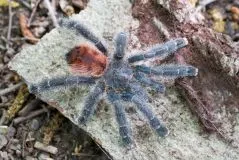
When choosing a tarantula to import into Canada, selecting species that are relatively hardy and well-suited to a captive environment is essential. Several species are known for their docile temperament and ease of care, making them popular choices for beginners. Considering the local climate and the availability of specialized care resources can help determine the best match. Here are five tarantula species often recommended for those in Canada, known for their manageable care requirements.
Popular and Hardy Species
Certain tarantula species are renowned for their hardiness and adaptability to captive environments. These species are often more forgiving of minor care mistakes and are less prone to health issues. Species like the Chilean Rose Hair (Grammostola rosea) and the Mexican Red Knee (Brachypelma hamorii) are well-known for their docile temperament and relatively straightforward care requirements. These are a great choice for new tarantula keepers. Researching the specific needs of each species is vital to ensuring their well-being. Their ease of care makes them excellent choices for those beginning their tarantula-keeping journey.
Care and Environmental Needs
Providing the correct care and environmental conditions is fundamental to the health and longevity of your tarantula. This includes maintaining appropriate temperature and humidity levels, providing a suitable substrate for burrowing or climbing, and offering a balanced diet. Different tarantula species have specific needs, so researching your chosen species’ requirements is essential. Regularly cleaning the enclosure and providing fresh water are also vital. Creating a habitat that mimics their natural environment contributes to their health and well-being. Proper care ensures they thrive in their captive environment.
Habitat Setup

The habitat setup for your tarantula should closely resemble its natural environment. This involves selecting an appropriately sized enclosure with adequate ventilation. Providing a suitable substrate for burrowing or climbing is essential, depending on the species. Temperature and humidity levels must be carefully controlled using heat sources, water dishes, and regular misting, as needed. Adding decorations like branches, hides, and plants enriches the enclosure and provides enrichment for your tarantula. A well-designed habitat not only supports the tarantula’s health but also allows you to observe their natural behaviors. (Image: tarantula-habitat-setup.webp)
Feeding and Hydration
Proper feeding and hydration are critical aspects of tarantula care. The diet should consist primarily of insects, with the appropriate size and type depending on the tarantula species and its life stage. Providing fresh water in a shallow dish is essential, and the water should be replaced regularly. Overfeeding can be as harmful as underfeeding, so monitor your tarantula’s weight and body condition. Supplementing the diet with vitamins or minerals may be necessary. A well-balanced diet and access to clean water support the tarantula’s growth, molting, and overall health. (Image: tarantula-feeding.webp)
Finding Reputable Suppliers
Choosing a reputable supplier is crucial for ensuring that you receive healthy, legally obtained tarantulas. A reliable supplier will have a strong reputation, providing detailed information about the species, origin, and health of the tarantulas. They will also be knowledgeable about the legal requirements for importation and will be able to provide the necessary documentation. Purchasing from a reputable source minimizes the risk of importing sick or illegally obtained tarantulas, contributing to animal welfare and compliance with the law. Due diligence in selecting a supplier is a critical step in your tarantula-keeping journey.
Identifying Reliable Breeders and Dealers

Identifying reliable breeders and dealers involves thorough research and due diligence. Look for suppliers with positive reviews, a good reputation within the tarantula-keeping community, and a willingness to answer questions. They should be transparent about their breeding practices, the origin of their tarantulas, and their compliance with legal requirements. A trustworthy supplier will prioritize the health and well-being of their animals and can provide you with information about the care and handling of your new tarantula. Checking for certifications or memberships in reputable organizations can also be helpful in assessing the reliability of a supplier. (Image: tarantula-supplier-canada.webp)
Avoiding Illegal Imports
Avoiding illegal imports is essential for ethical and legal reasons. Illegal importation often involves circumventing regulations, which can result in fines, legal repercussions, and harm to the animals. Avoid suppliers who offer tarantulas without proper documentation or who cannot provide information about the tarantulas’ origin. Always verify that the species you are importing is legal and complies with all Canadian regulations. Buying from legitimate breeders and dealers who adhere to the law ensures that you’re supporting ethical practices and contributing to the welfare of the animals. Prioritizing legal and ethical practices is essential for the well-being of the animals and for upholding the integrity of the tarantula-keeping community.
Conclusion
Importing tarantulas into Canada can be a rewarding experience for enthusiasts who are prepared to meet the challenges and responsibilities. By understanding the legal requirements, choosing the right species, and partnering with reputable suppliers, you can successfully and ethically bring a tarantula into your life. Remember, responsible tarantula ownership starts with knowledge, respect for the law, and commitment to the health and well-being of these fascinating creatures.