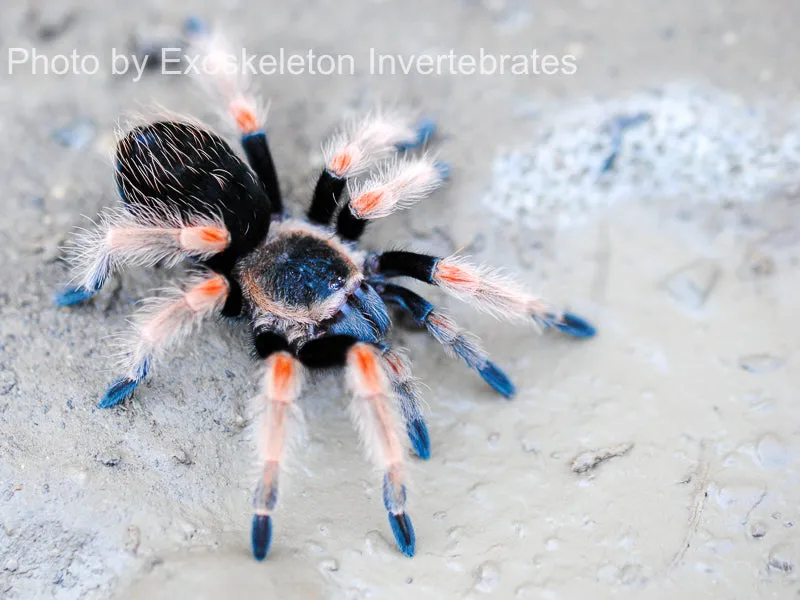
Mexican Orange Beauty Tarantula Overview
The Mexican Orange Beauty tarantula, scientifically known as Brachypelma boehmei, is a captivating and relatively docile species, making it a popular choice for tarantula enthusiasts of all levels. Native to the Pacific slopes of Mexico, these terrestrial tarantulas are known for their striking coloration and manageable temperament. Their orange and black hues create a stunning visual contrast, earning them their descriptive name. This comprehensive care guide provides all the necessary information to ensure your Mexican Orange Beauty thrives in captivity, covering everything from habitat setup to feeding and health management. Understanding their needs is paramount to providing a long, healthy, and rewarding life for your pet tarantula.
Appearance and Characteristics
Mexican Orange Beauty tarantulas are easily recognizable by their vibrant coloration. Adults typically display a black carapace (the upper shell) and legs, contrasted by distinct orange or reddish-orange hairs on their legs and abdomen. The intensity of the orange color can vary depending on the individual and its molt cycle. Mature females can reach a leg span of up to 6 inches (15 cm), while males tend to be slightly smaller. They are relatively slow-growing spiders, with females living for up to 20 years or more, and males usually reaching a lifespan of 5-7 years. Their beauty and longevity make them a worthwhile investment for any dedicated arachnid keeper.
Behavior and Temperament

Mexican Orange Beauties are generally considered to be docile tarantulas, making them suitable for beginner to intermediate keepers. They are not prone to biting unless provoked, and their venom is generally not considered medically significant to humans, causing symptoms similar to a bee sting. However, they do possess urticating hairs on their abdomen, which they can flick off as a defense mechanism. These hairs can cause skin irritation and should be avoided. They are primarily nocturnal, spending much of the day hiding in their burrows or under cover. They are generally slow-moving spiders, but can be surprisingly fast when startled. They are not social creatures and should be housed individually.
Creating the Ideal Habitat
Creating a suitable habitat is crucial for the well-being of your Mexican Orange Beauty tarantula. This involves providing the right enclosure, substrate, temperature, humidity, and decorations to mimic its natural environment. A well-designed habitat will not only ensure your tarantula’s physical health but also provide a comfortable and stimulating environment.
Choosing the Right Enclosure
The enclosure should be appropriately sized, allowing for ample space without being excessively large. For juveniles, a 5-gallon tank or a similar-sized plastic container is sufficient. As your tarantula grows, upgrade to a larger enclosure, such as a 10-gallon tank or a container of comparable size. The enclosure should be escape-proof with a secure lid, as tarantulas are adept climbers. Good ventilation is essential to prevent mold and maintain air quality. Ensure that the enclosure has enough height to allow for substrate depth and a potential burrow.
Substrate Selection

The substrate serves as the tarantula’s living space and helps to maintain humidity. A good substrate should be able to hold moisture while also allowing for burrowing. A mix of coconut fiber (coco coir) and peat moss is an excellent choice. These substrates hold humidity well, are relatively clean, and provide a natural environment for burrowing. The substrate depth should be at least 4-6 inches (10-15 cm) to allow for burrowing behavior. Avoid using sand or gravel, as these can be difficult for the tarantula to burrow in and can lead to impaction if ingested.
Temperature and Humidity Control
Mexican Orange Beauties thrive in temperatures between 75-85°F (24-29°C). A heat source, such as an under-tank heater (UTH) or a low-wattage heat lamp, can be used to maintain the ideal temperature. Place the heat source on one side of the enclosure to create a thermal gradient, allowing the tarantula to regulate its body temperature. Humidity levels should be maintained between 60-70%. This can be achieved by lightly misting the substrate once or twice a week, depending on the humidity in your environment. A hygrometer can be used to monitor humidity levels.
Providing Hiding Places and Decorations
Tarantulas are shy creatures and appreciate having hiding places where they can feel secure. Provide a hide, such as a piece of cork bark, a hollow log, or a commercially available tarantula hide. Arrange the hide so that it provides a sense of security while still allowing you to observe your tarantula. Include a shallow water dish for drinking. You can also add a few artificial or live plants to enhance the aesthetic appeal of the enclosure and provide additional hiding spots. However, make sure that any decorations are non-toxic and won’t pose a risk to the tarantula.
Feeding Your Tarantula

Proper feeding is essential to ensure your Mexican Orange Beauty tarantula remains healthy and grows properly. Understanding what to feed, how much, and how often are key components of successful tarantula care.
What to Feed Your Tarantula
The primary food source for your tarantula should be live insects. Crickets, dubia roaches, mealworms, and superworms are all suitable choices. Choose insects that are approximately the same size as the tarantula’s abdomen. Always ensure that the insects are gut-loaded (fed nutritious food) for at least 24 hours before feeding them to your tarantula, as this improves the nutritional value. Avoid feeding wild-caught insects, as they may carry parasites or pesticides that could harm your tarantula.
Feeding Frequency and Amount
The feeding frequency depends on the tarantula’s age and size. Spiderlings and juveniles should be fed 2-3 times per week. Adult tarantulas can be fed once a week or every other week. Observe your tarantula’s abdomen; if it appears plump, it is well-fed. Remove any uneaten insects within 24 hours to prevent stress and potential harm to the tarantula. Adjust the feeding schedule based on the tarantula’s appetite and activity level.
Watering and Hydration

Clean, fresh water is essential for your tarantula’s hydration. Provide a shallow water dish, ensuring that it is not too deep for the tarantula to drown. Refill the water dish regularly, typically every 2-3 days. In addition to the water dish, you can lightly mist the enclosure once or twice a week to maintain humidity. Be careful not to oversaturate the substrate, as this can lead to mold and other problems.
Handling and Safety
While Mexican Orange Beauties are generally docile, handling should be approached with caution and respect. Understanding when it is appropriate to handle your tarantula and how to do so safely will help prevent any unnecessary stress or injury to both you and the tarantula.
When to Handle
It is generally best to avoid handling your tarantula unless absolutely necessary, such as for cage maintenance or health inspections. Handling can stress the tarantula and potentially lead to a defensive reaction. Avoid handling immediately after a molt, as the tarantula’s exoskeleton is soft and vulnerable. Refrain from handling if the tarantula appears stressed, is in a defensive posture, or is about to molt.
Safe Handling Practices

If handling is unavoidable, do so with extreme caution. Approach the tarantula slowly and gently. Encourage it to walk onto your hand rather than trying to grab or force it. Always handle over a soft surface, such as a bed or the floor, to minimize the risk of injury if the tarantula falls. Never handle if you are distracted or not fully focused. Wash your hands thoroughly after handling to remove any urticating hairs.
Common Health Issues and Care
Like all pets, Mexican Orange Beauties can be susceptible to certain health issues. Knowing how to identify and address these problems will help ensure your tarantula lives a long and healthy life.
Moulting and What to Expect
Moulting is a natural process where the tarantula sheds its exoskeleton to allow for growth. During this period, the tarantula will stop eating, may become lethargic, and may lay on its back. The molting process can take several hours or even days, depending on the tarantula’s size. Do not disturb the tarantula during a molt. After molting, the tarantula’s fangs and body will be soft, so avoid feeding it for about a week to allow the exoskeleton to harden. Observe the molt for any signs of issues, such as trapped limbs.
Identifying and Addressing Problems

Monitor your tarantula for any signs of illness or stress. These include loss of appetite, lethargy, unusual behavior, or changes in appearance. If you notice any of these signs, consult with a veterinarian who specializes in exotic animals or a tarantula expert. Common problems include mites, fungal infections, and injuries. Mites can be identified as tiny, moving specks on the tarantula’s body. Fungal infections may appear as discolored patches. Injuries may result from falls or improper handling. Proper hygiene, maintaining ideal environmental conditions, and attentive observation are essential for preventing and addressing health issues.
Conclusion
Caring for a Mexican Orange Beauty tarantula can be a rewarding experience. By providing the right habitat, feeding properly, and handling with care, you can ensure your tarantula lives a long and healthy life. Remember to research, observe your tarantula closely, and seek expert advice when needed. With proper care, your Mexican Orange Beauty will provide years of enjoyment and fascination.