Mexican Red Knee Tarantula Overview
The Mexican Red Knee Tarantula (Brachypelma hamorii), a captivating arachnid native to the arid scrublands and coastal areas of Mexico, has become a popular choice for both novice and experienced tarantula keepers. Known for their striking appearance and relatively docile temperament, these spiders offer a fascinating glimpse into the world of invertebrates. This ultimate guide provides comprehensive information on all aspects of caring for a Mexican Red Knee Tarantula, ensuring its health, happiness, and longevity. Whether you’re considering adding one of these beautiful creatures to your family or are a seasoned owner looking to refine your care techniques, this guide will be your invaluable resource. Owning a Mexican Red Knee Tarantula can be a rewarding experience, bringing a unique blend of curiosity and appreciation for the natural world into your home.
Origin and Habitat
Understanding the natural habitat of your Mexican Red Knee Tarantula is crucial for replicating its needs in captivity. These tarantulas originate from the Pacific coast of Mexico, thriving in dry scrublands, grasslands, and occasionally, open woodlands. They are burrowing spiders, spending most of their time in underground burrows that they construct themselves or take over from other animals. The climate in their natural habitat is characterized by distinct wet and dry seasons, with temperatures fluctuating throughout the year. When creating an enclosure, it’s vital to mimic these environmental conditions to ensure the tarantula’s well-being. This includes providing appropriate substrate for burrowing, maintaining the correct temperature and humidity levels, and ensuring proper ventilation to replicate their natural environment.
Physical Characteristics

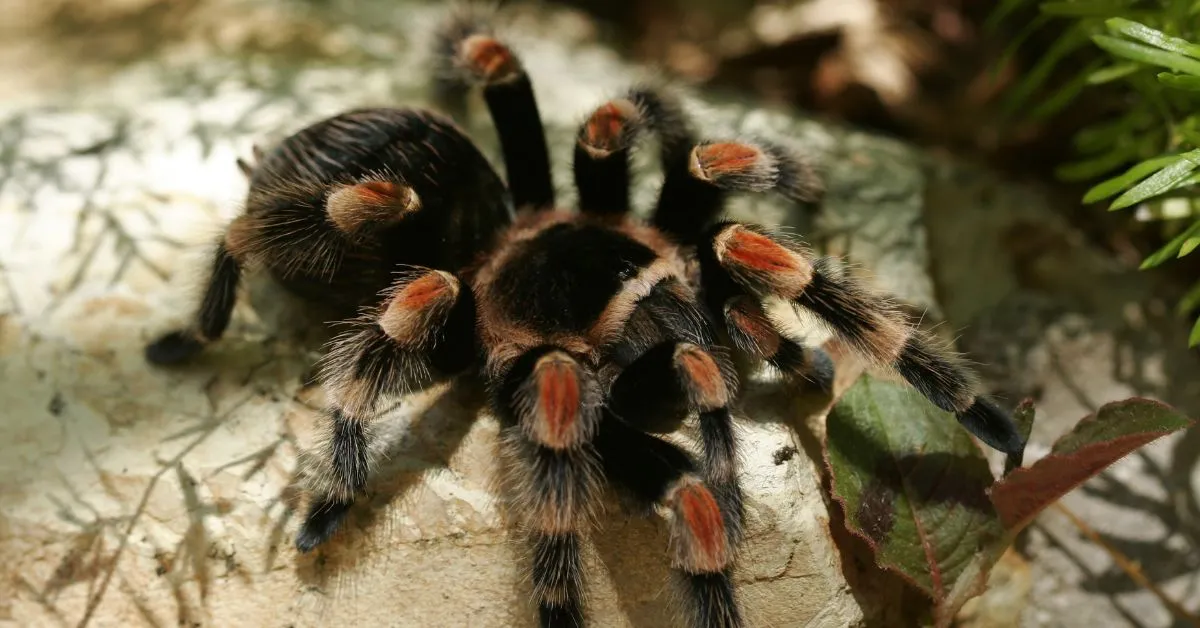
The Mexican Red Knee Tarantula is instantly recognizable due to its distinctive coloration and impressive size. Adults typically range from 5 to 6 inches in leg span, with some females reaching up to 7 inches. The most striking feature is the vibrant red-orange markings on their leg joints, contrasting beautifully with the black legs and body. The carapace, or the top of the cephalothorax, is often a darker color, adding to their overall beauty. As they mature, these tarantulas develop setae, tiny hairs that cover their bodies and provide sensory information. These hairs are also used for defense; the tarantula can flick them off to irritate predators. This unique combination of coloration and physical attributes makes the Mexican Red Knee Tarantula a visually stunning and sought-after pet.
Lifespan and Growth
One of the appealing aspects of owning a Mexican Red Knee Tarantula is its longevity. Females can live for an impressive 20 to 30 years, while males typically have a shorter lifespan, often living only 5 to 10 years. Growth rates vary depending on factors such as feeding frequency, temperature, and individual genetics. Tarantulas molt regularly, shedding their exoskeletons to grow. Young tarantulas molt more frequently, sometimes every few months, whereas adults molt less often, perhaps once a year or even less. The molting process is a critical period for growth and can be a vulnerable time for the tarantula. Proper care during molting is essential to ensure the tarantula’s health and continued development. Therefore, knowing how to properly care for your tarantula during this time is crucial to maximize their lifespan.
Setting Up the Perfect Mexican Red Knee Tarantula Enclosure
Creating the ideal enclosure is a fundamental step in providing excellent care for your Mexican Red Knee Tarantula. The enclosure should mimic their natural habitat, offering a secure, comfortable, and stimulating environment. The setup involves considering factors such as size, substrate, furnishings, temperature, humidity, and ventilation. A well-designed enclosure not only ensures the tarantula’s physical well-being but also contributes to its psychological health, providing a sense of security and enabling natural behaviors like burrowing and web-spinning. A properly set up enclosure helps in stress reduction, encouraging feeding and molting, and increasing the overall lifespan of your tarantula. So, starting with the right setup is essential for success.
Enclosure Size and Type

The size of the enclosure should be appropriate for the tarantula’s size. A good rule of thumb is to provide an enclosure that is at least three times the tarantula’s leg span in length and width. For a juvenile, a smaller container may be sufficient, while adults will require larger enclosures. The type of enclosure can vary, but clear plastic or glass terrariums are popular choices, allowing for easy viewing and monitoring of the tarantula. Ensure the enclosure has a secure lid to prevent escape, with appropriate ventilation to allow air circulation without compromising humidity levels. The enclosure’s design should prioritize both the tarantula’s comfort and the keeper’s ease of maintenance. Always prioritize the tarantula’s well-being, ensuring ample space to move and explore.
Substrate and Furnishing
The substrate, or bedding, is a crucial element of the enclosure, providing a comfortable surface and allowing the tarantula to burrow, which is a natural behavior for these spiders. A mix of substrate materials works best, and should include peat moss, coco fiber, and a small amount of vermiculite or sphagnum moss to help retain moisture. The substrate should be deep enough to allow the tarantula to burrow; a depth of 4-6 inches is usually adequate. Furnishings should include a hide, such as a piece of cork bark or a half log, to provide a secure retreat. You can also add artificial plants and other decorations, but avoid sharp or abrasive items that could injure the tarantula. The goal is to create a naturalistic environment that encourages the tarantula to feel safe and secure.
Temperature, Humidity, and Ventilation
Maintaining the correct environmental conditions is essential for the health of your Mexican Red Knee Tarantula. The ideal temperature range is between 75-85°F (24-29°C). A heat mat placed on the side of the enclosure can help maintain these temperatures, but never place the heat source directly under the enclosure. Humidity levels should be kept around 60-70%, which can be achieved by lightly misting the enclosure with water once or twice a week, or by providing a water dish. Proper ventilation is equally important to prevent mold growth and ensure fresh air circulation. Ensure the enclosure has ventilation holes, preferably near the top and sides. Regularly monitor temperature and humidity levels with a thermometer and hygrometer to ensure they stay within the recommended range. Proper temperature, humidity, and ventilation create the perfect environment.
Feeding Your Mexican Red Knee Tarantula

Proper nutrition is paramount for the growth and well-being of your Mexican Red Knee Tarantula. These tarantulas are opportunistic feeders, meaning they will eat a variety of insects. Understanding their dietary needs, choosing the right food items, and establishing a regular feeding schedule are crucial aspects of tarantula care. A well-fed tarantula is more likely to thrive, molt successfully, and live a long and healthy life. Providing the correct nutrition will also enhance the vibrant colors of your Mexican Red Knee Tarantula, making it a pleasure to observe and care for. Ensure you provide high-quality, nutritious meals tailored to their specific needs at each stage of their life.
What to Feed
The primary food source for Mexican Red Knee Tarantulas should consist of appropriately sized insects. Good options include crickets, mealworms, roaches, and other commercially available feeder insects. The insects should be gut-loaded, meaning they are fed nutritious foods prior to being offered to your tarantula, ensuring that your pet receives essential vitamins and minerals. Avoid feeding wild-caught insects, as they may carry pesticides or parasites. The size of the prey should be appropriate for the tarantula; it should be no larger than the tarantula’s abdomen. Remove any uneaten food within 24 hours to prevent mold or mites from infesting the enclosure. Providing a varied diet of nutritious insects ensures that your tarantula receives all the nutrients needed.
Feeding Frequency and Portion Size
Feeding frequency depends on the age and size of the tarantula. Spiderlings and juveniles should be fed more often, perhaps two to three times a week, while adults can be fed once a week or even less frequently. Observe your tarantula’s behavior; a tarantula that is consistently hungry will be more active and may actively hunt. Offer one or two appropriately sized insects per feeding. If the tarantula doesn’t eat the food within a day, remove it. Overfeeding can lead to obesity, which can negatively impact the tarantula’s health. During molting, your tarantula may refuse food; do not force-feed during this time. Adjust feeding schedules based on your tarantula’s individual needs and behavior. Keeping track of feeding helps to monitor the tarantula’s overall health and growth.
Watering and Hydration

Providing a constant source of fresh water is crucial for hydration. Always have a shallow water dish in the enclosure, filled with clean water. The dish should be shallow enough to prevent drowning. Regularly check the water dish and refill it as needed, at least every other day, or more frequently. Additionally, lightly misting the enclosure with water, especially during molting, helps maintain humidity levels. Monitoring the tarantula’s abdomen can provide insight into its hydration status; a plump abdomen suggests the tarantula is well-hydrated, while a shrunken abdomen might indicate dehydration. Proper hydration is vital for the tarantula’s health and is directly linked to successful molting and overall vitality. Clean water and proper humidity are the keys to hydration.
Handling and Safety Precautions
While Mexican Red Knee Tarantulas are known for their relatively docile temperament, it is essential to handle them with caution and respect. Understanding their behavior, potential hazards, and following safe handling practices are crucial for your safety and the tarantula’s well-being. Always prioritize the tarantula’s welfare, and avoid handling unless necessary. If you choose to handle your tarantula, be aware of its movements, reactions, and potential defensive behaviors. Safe handling protects both the keeper and the tarantula, ensuring a positive experience for all involved. Therefore, you should always prepare and proceed with caution.
Understanding Tarantula Behavior
Tarantulas have a range of defensive behaviors that they may exhibit when they feel threatened. These behaviors include raising their front legs, flicking urticating hairs from their abdomen (a defense mechanism), and, in rare cases, biting. The Mexican Red Knee Tarantula is generally not prone to biting, but it can happen if the spider feels threatened. Understanding these behaviors can help you anticipate the tarantula’s reactions and prevent potential issues. Observing your tarantula regularly helps in understanding its personality and behavior. They may also display other behaviors such as web-spinning and burrowing that indicate their overall well-being. Paying attention to these behavioral cues can help ensure a safe and enjoyable ownership experience.
Safe Handling Practices

If you decide to handle your Mexican Red Knee Tarantula, do so with caution and only when necessary. Always approach the tarantula calmly and avoid sudden movements. Use a soft brush to gently coax the tarantula onto your hand. Handle the tarantula over a soft surface, such as a bed or a carpet, to minimize the risk of injury if it falls. Wash your hands thoroughly before and after handling to prevent contamination. Be mindful of the tarantula’s urticating hairs; avoid rubbing your eyes or face after handling, as these hairs can cause irritation. Never force the tarantula to handle. If the tarantula shows signs of stress or aggression, such as raising its front legs, gently place it back into its enclosure. Handling should always prioritize the tarantula’s well-being and safety.
Common Health Issues and How to Prevent Them
Like all living creatures, Mexican Red Knee Tarantulas can be susceptible to certain health issues. Understanding these potential problems and taking proactive measures can help prevent them and ensure the tarantula’s longevity. Proper care, including maintaining appropriate environmental conditions, a balanced diet, and hygiene, significantly reduces the risk of health complications. Regular observation and monitoring of the tarantula are crucial for early detection of any potential issues. Prompt intervention can often prevent a minor problem from becoming a serious one. Therefore, a proactive approach to health care is the best approach.
Moulting and Its Importance
Molting is a natural and essential process for tarantulas, allowing them to grow by shedding their old exoskeletons. During molting, the tarantula becomes very vulnerable, and it’s crucial to provide the right conditions to facilitate this process. Signs that a tarantula is about to molt include loss of appetite, a change in behavior, and the abdomen appearing dark. Avoid disturbing the tarantula during molting. Maintain the proper humidity levels to help the exoskeleton separate. Do not feed the tarantula during this time. After molting, the tarantula’s new exoskeleton will be soft, and it may take a few days for it to harden. Be patient, and wait for the exoskeleton to fully harden before offering food. Molting is a critical process for growth and well-being.
Recognizing and Treating Illness

While Mexican Red Knee Tarantulas are generally hardy, they can still experience certain health problems. Some signs of illness include lethargy, loss of appetite, and changes in appearance. Mites can sometimes infest tarantulas; these are often visible as tiny, moving dots. If you suspect a mite infestation, you can try to improve the ventilation in the enclosure, and remove the tarantula and clean the entire enclosure. If the problem persists, you may need to consult a veterinarian experienced with invertebrates. Bacterial infections can also occur, which often result from poor hygiene; ensuring a clean environment is crucial in prevention. If you observe any concerning symptoms, seek professional advice. Early intervention can often improve the chances of successful treatment. Recognizing and acting promptly is crucial for the tarantula’s health.
Breeding Mexican Red Knee Tarantulas
Breeding Mexican Red Knee Tarantulas can be a rewarding experience for experienced keepers. However, it requires a significant understanding of the species, along with the proper equipment, and considerable dedication. Successfully breeding tarantulas involves careful planning, preparation, and attention to detail. The process involves understanding the sexing process, providing the right conditions for mating, and caring for the egg sac and spiderlings. Successfully breeding your tarantulas means that you get to experience another level of tarantula care. It also helps to perpetuate the species and provides insight into their complete life cycle. The entire breeding process, from start to finish, is an involved process.
Sexing Your Tarantula
Determining the sex of your Mexican Red Knee Tarantula is essential for successful breeding. The most reliable method for sexing a tarantula is to examine the molted exoskeleton. Male tarantulas have a distinct feature called tibial hooks located on their front legs, which they use to hold the female’s fangs during mating. Females have a spermatheca, which is an internal reproductive organ. Under the microscope you can look at a molt and identify a spermatheca. Sexing tarantulas, especially juveniles, can be a bit tricky, but examining the molted exoskeletons is the most common method. This information is vital for mating, as you’ll need at least one male and one female. If you are not experienced, you can take it to a vet or someone with experience.
Mating Process
Mating Mexican Red Knee Tarantulas requires careful preparation and monitoring. The male should be introduced to the female’s enclosure after being well-fed. The keeper should monitor the mating process closely, being prepared to separate the spiders if the female appears aggressive or if mating is not successful. The male will approach the female, drumming on the ground with his legs. If the female is receptive, she will allow the male to approach and mate. The male deposits sperm into the female’s spermatheca. After mating, it’s essential to separate the male from the female to prevent the female from eating him. Successfully completing the mating process is a delicate operation and must be handled with care.
Egg Sac and Spiderlings Care
After mating, the female will usually produce an egg sac containing hundreds of eggs. The egg sac should be incubated in a controlled environment. After the eggs hatch, the spiderlings will emerge. They require a separate enclosure with appropriate substrate, food, and water. Spiderlings are very vulnerable, requiring frequent feeding with small, appropriately sized prey, such as flightless fruit flies or pinhead crickets. Providing appropriate care for the spiderlings includes maintaining the correct temperature and humidity levels, and providing fresh water. Spiderlings are delicate and require considerable care, monitoring, and attention to thrive. If done properly, you will have a whole new brood of Mexican Red Knee Tarantulas.