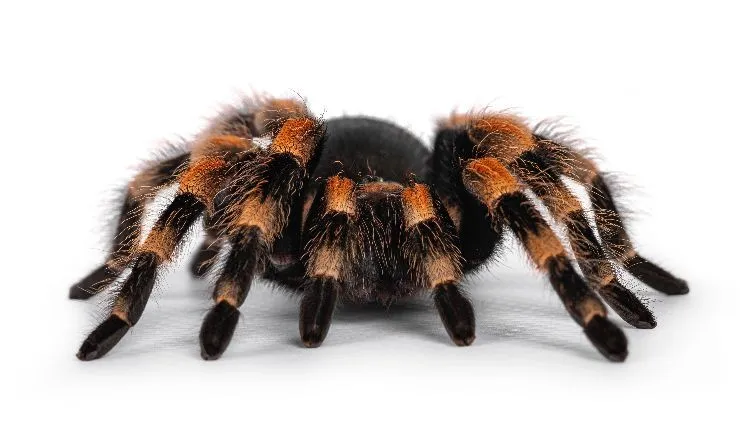
What to Feed Your Mexican Red Knee Tarantula
Owning a Mexican Red Knee Tarantula (Brachypelma hamorii) can be a rewarding experience, but proper care, especially regarding their diet, is crucial for their health and longevity. These fascinating creatures require a specific diet to thrive. This guide will provide a detailed look at the best foods to offer your tarantula, ensuring it receives the necessary nutrients to live a long and healthy life. The goal is to provide a varied and balanced diet that mimics their natural feeding habits in the wild, contributing to their overall well-being.
Crickets
Crickets are a staple food source for many pet tarantulas, and Mexican Red Knees are no exception. They are readily available at most pet stores and are relatively easy to keep and breed, making them a convenient option. They provide a good source of protein, which is essential for the tarantula’s growth and development. Crickets also stimulate the tarantula’s natural hunting instincts, providing enrichment in their enclosure. However, it’s important to ensure the crickets are gut-loaded before feeding them to your tarantula to maximize their nutritional value. Gut-loading involves feeding the crickets a nutritious diet for 24-48 hours before offering them to your pet.
Benefits of Feeding Crickets

Crickets are a fantastic source of protein, crucial for the tarantula’s growth. They are easily accessible at most pet stores, making them a convenient option. They also stimulate the tarantula’s natural hunting instincts, which can provide enrichment.
How to Prepare Crickets
Before offering crickets, gut-load them. Feed the crickets a nutritious diet of vegetables, fruits, and commercial cricket food for 24-48 hours. This increases the nutritional value of the crickets. Remove any uneaten crickets after a day or two to prevent stress or harm to your tarantula. Crickets can sometimes injure the tarantula, so ensure your tarantula captures and eats the cricket promptly.
Roaches
Roaches, such as Dubia roaches, are another excellent food source for Mexican Red Knee Tarantulas. Roaches offer several advantages over crickets, including a higher protein content and a longer lifespan, making them a more convenient food source. They are also less prone to escaping and are generally less noisy than crickets. Roaches are also easier to keep and breed, reducing the need to constantly purchase new food. Like crickets, roaches should also be gut-loaded before feeding to provide the most nutritional value to your tarantula. Be sure to research the specific species of roach and its nutritional profile to offer the best diet possible.
Why Roaches are a Good Choice

Roaches often have a higher protein content compared to crickets. They tend to live longer, making them a more convenient food source. They are generally less noisy and less likely to escape.
Roach Preparation and Safety
Gut-load roaches before feeding. Remove any uneaten roaches to prevent stress. Be cautious of roach species; some can climb smooth surfaces or burrow.
Mealworms
Mealworms can be a part of your tarantula’s diet, but they are not as nutritionally complete as crickets or roaches. They are relatively high in fat and low in certain nutrients, so they should be offered in moderation. Mealworms are readily available and easy to store, making them a convenient treat for your tarantula. However, it’s important to gut-load mealworms as well and to supplement with other food sources to ensure a balanced diet. Overfeeding mealworms can lead to weight gain and health problems in your tarantula.
Mealworm Nutritional Value

Mealworms are higher in fat and lower in certain other nutrients. They should be offered in moderation.
Mealworm Feeding Guidelines
Feed mealworms as a supplemental treat, not the primary food source. Gut-load mealworms before feeding. Observe your tarantula’s weight and adjust feeding accordingly.
Superworms
Superworms are another type of worm that can be offered. They are larger than mealworms and provide a good source of protein. However, they also have a higher fat content, so they should be used sparingly. Superworms can be a good option for larger tarantulas or as an occasional treat. As with other live foods, superworms should be gut-loaded to increase their nutritional value. Superworms are relatively easy to store and are available at most pet stores specializing in reptile and amphibian food.
Superworm Considerations

Superworms have a higher fat content. Use them as an occasional treat. Be aware they can bite, so supervise feedings.
Superworm Preparation
Gut-load superworms before feeding. Offer a few at a time and monitor your tarantula’s eating habits.
Other Feeding Options
While crickets, roaches, mealworms, and superworms are the most common food sources, there are other options to consider. Variety is key to ensure your tarantula receives a balanced diet. Occasional treats can be offered, but the main diet should be based on the previously mentioned insects. Variety can include small amounts of other insects like grasshoppers (if available and safe) or even, very rarely, a pinky mouse for adult tarantulas.
Pinky Mice

Pinky mice, or newborn mice, can be offered to adult Mexican Red Knee Tarantulas occasionally. They are a good source of protein, but they are also high in fat, so use them sparingly. Pinky mice are more suited for adult tarantulas than smaller specimens. Offering pinky mice should be a rare treat, perhaps once or twice a year, to avoid overfeeding and potential health issues. Always ensure the pinky mouse is pre-killed to prevent injury to your tarantula.
When to Offer Pinky Mice
Offer pinky mice only to adult tarantulas, and only occasionally. It’s best to provide this treat only a few times per year, if at all, to avoid overfeeding.
Pinky Mouse Considerations
Pinky mice are high in fat, so use them sparingly. Always use pre-killed mice to avoid injury. Ensure the tarantula is ready to eat; avoid offering when molting.
Pre-killed or Live Feeding

There are debates about whether to feed live or pre-killed prey. While some keepers prefer live feeding to stimulate the tarantula’s hunting behavior, there are risks involved. Pre-killed prey is generally the safer option because it eliminates the chance of the prey injuring your tarantula. For the safety of your pet, it’s often recommended to use pre-killed insects and other prey, especially if you are new to tarantula keeping. Pre-killed prey is generally available at pet stores or can be obtained by humanely killing the insects before feeding them to your tarantula.
Live Feeding Dangers
Live prey can injure your tarantula, especially during molting. The prey may bite or attack the tarantula, leading to injury or even death.
Pre-killed Advantages
Pre-killed prey eliminates the risk of injury. It also allows for better control over the tarantula’s feeding and reduces stress. It is generally the safer and more humane option.
Feeding Frequency and Size

The frequency and size of the meals should be determined by your tarantula’s age and size. Younger tarantulas, or spiderlings, require more frequent feeding than adults. Overfeeding can be just as harmful as underfeeding, leading to health problems. It’s essential to observe your tarantula’s abdomen; it should be slightly rounded, not excessively plump. Molting is also a critical factor; tarantulas typically refuse food before and during the molting process. Adjust feeding based on their behavior and appearance.
Determining Feeding Frequency
Spiderlings (young tarantulas) need to be fed more frequently, sometimes every other day or every few days. Sub-adults can be fed once or twice a week. Adults can eat every 1-2 weeks, depending on their appetite. Observe the tarantula’s abdomen size; it should be slightly rounded, not overly plump.
Sizing Food Appropriately
The size of the food should correspond to the size of the tarantula. The prey should generally be no larger than the tarantula’s body length. A good rule of thumb is that the prey should be about the size of the tarantula’s carapace (the top part of its body). Avoid offering prey that is too large, as the tarantula may have trouble catching and consuming it, which may lead to stress.
Water and Supplementation
Providing fresh water is just as important as a proper diet. Tarantulas need access to fresh, clean water at all times. Vitamin and calcium supplementation can be added occasionally, but it is not usually required if the tarantula’s diet is varied and balanced. Always use a shallow water dish to prevent the tarantula from drowning, especially for spiderlings. Regularly clean and replace the water to maintain a healthy environment.
Importance of Fresh Water
Fresh water is essential for hydration. Provide a shallow water dish, especially for spiderlings. Change water frequently to keep it clean.
Vitamin and Calcium Supplementation
Vitamin and calcium supplements are typically unnecessary with a varied diet. Gut-loading prey provides sufficient nutrients. Consult with a veterinarian or experienced tarantula keeper if supplementation is needed.
Conclusion
Feeding your Mexican Red Knee Tarantula involves more than just providing food; it requires careful consideration of the type, size, and frequency of meals. By following these guidelines, you can ensure that your tarantula receives a balanced diet and thrives in its environment. Remember to prioritize a varied diet, consider pre-killed prey, and always provide fresh water. Regularly observe your tarantula and adjust the feeding plan as needed to meet its individual needs. With the right care, your Mexican Red Knee Tarantula can live a long and healthy life, becoming a fascinating and rewarding pet. Proper nutrition is the cornerstone of tarantula care, leading to a vibrant and thriving pet.