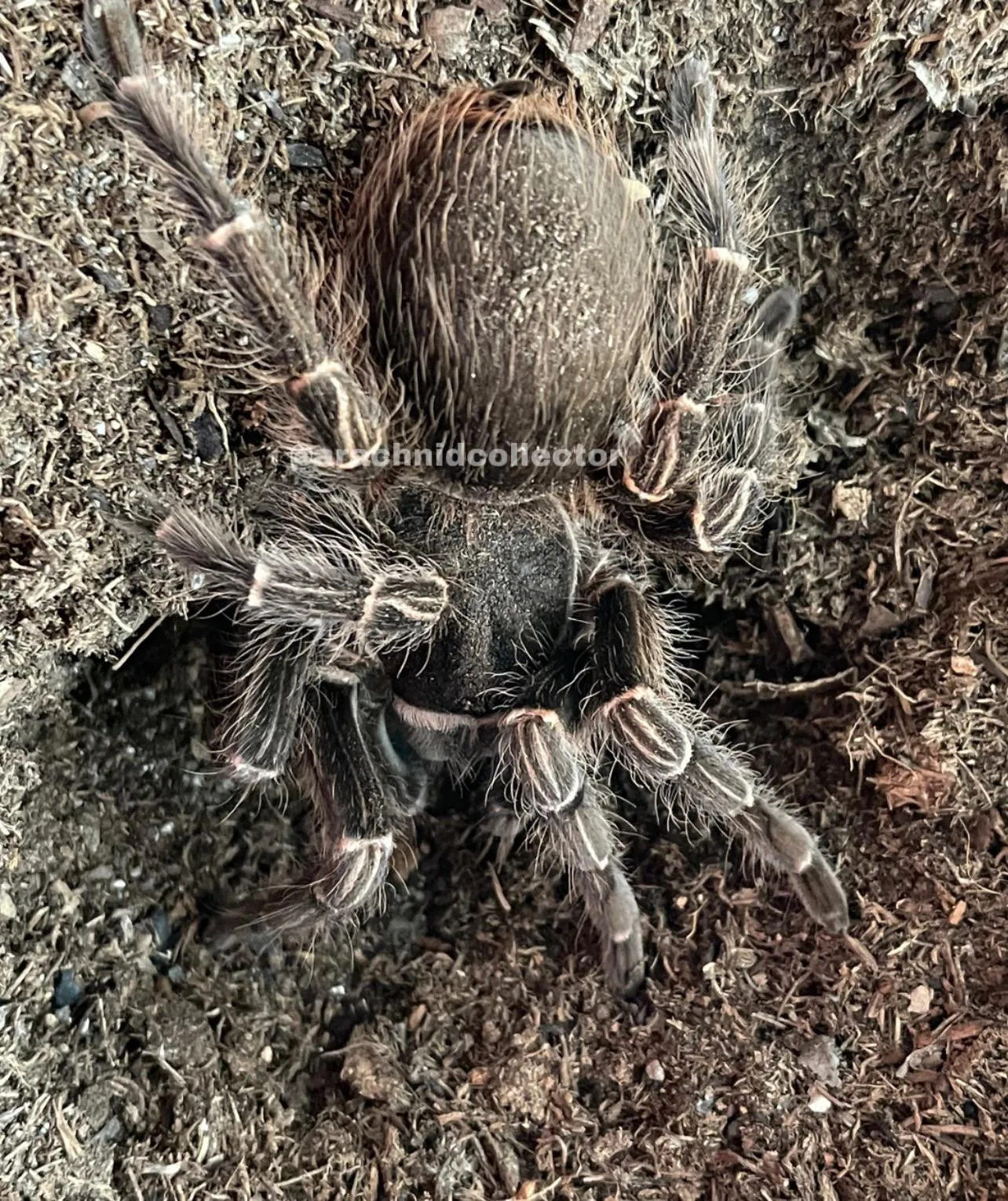
What is Acanthoscurria Musculosa?
The Acanthoscurria musculosa, often called the Musculosa tarantula, is a captivating species within the tarantula family. Native to South America, particularly regions of Brazil, this terrestrial spider has gained popularity among arachnid enthusiasts. Known for its impressive size and relatively docile temperament, the Musculosa tarantula offers a fascinating glimpse into the world of these intriguing creatures. Understanding its origins and characteristics is the first step to appreciating this remarkable species and considering it as a pet. These tarantulas are a rewarding species to observe and care for, providing a unique perspective on the biodiversity of the animal kingdom. They are part of the Theraphosidae family, which includes a wide array of tarantula species, each with unique traits.
Appearance and Characteristics of Musculosa Tarantulas
Size and Lifespan

Musculosa tarantulas are known for their considerable size. Females typically grow to a leg span of 6 to 8 inches (15 to 20 cm), while males are slightly smaller. Their size makes them visually striking and impressive. The lifespan of these tarantulas is also a key characteristic. Females can live for 10 to 15 years or even longer, given proper care, making them a long-term companion for those who choose to keep them. Males, however, have a shorter lifespan, often living for only 3 to 5 years due to the risks associated with mating and their role in the reproductive process.
Coloration and Markings
The coloration of the Musculosa tarantula is another appealing aspect. They generally exhibit a dark brown to black coloration, with subtle variations depending on their age and the lighting conditions. Their bodies are covered in hairs, which can appear reddish or golden in certain lights, adding an interesting visual texture. The carapace, or the top of the cephalothorax, is typically a darker shade than the legs and abdomen, providing a contrast that enhances their appearance. Some individuals may have faint markings or patterns, though these are generally less pronounced than in some other tarantula species.
Habitat and Natural Environment
Where do Musculosa Tarantulas Live?

In their natural habitat, Musculosa tarantulas are found in South American countries, primarily in Brazil. They prefer to inhabit tropical environments, thriving in humid conditions with warm temperatures. These spiders are terrestrial, meaning they live on the ground, often constructing burrows or utilizing existing shelters such as crevices or under rocks. They are well-adapted to their environment, which includes abundant foliage and a variety of insects and small animals that serve as prey. Understanding their natural habitat provides valuable insight into their needs in captivity.
Ideal Enclosure Setup for Musculosa Tarantulas
Substrate, Hiding Places, and Ventilation
Setting up the ideal enclosure for a Musculosa tarantula is crucial for its well-being. A suitable substrate is essential, with options including a mix of peat moss, coconut fiber, and vermiculite, which help to retain moisture while providing a naturalistic environment. The substrate depth should be sufficient for the tarantula to burrow, typically around 4 to 6 inches. Providing hiding places is also vital, such as cork bark, artificial plants, or half-logs, allowing the spider to retreat and feel secure. Ventilation is equally important to prevent the buildup of mold and maintain air quality; this can be achieved through cross-ventilation with appropriate vent holes in the enclosure.
Diet and Feeding Habits of Musculosa Tarantulas

What do Musculosa Tarantulas Eat?
Musculosa tarantulas are carnivores, and their diet primarily consists of insects. Common food items include crickets, mealworms, roaches, and other readily available insects. The size of the prey should be appropriate for the tarantula’s size, generally no larger than the tarantula’s body length. It is also essential to vary the diet to provide a range of nutrients, ensuring a healthy and balanced intake. Occasionally, they can be offered small vertebrates, such as pinky mice, but these should be given sparingly due to their higher fat content.
Feeding Frequency and Amounts
Feeding frequency depends on the tarantula’s age and size. Spiderlings should be fed more often, usually every other day, while adults can be fed once or twice a week. It is important to monitor the tarantula’s abdomen; if it is plump and rounded, it indicates a well-fed spider. Overfeeding can lead to health issues, so it’s crucial to provide appropriate amounts of food. Any uneaten prey should be removed after 24 hours to prevent stress or potential injury to the tarantula. Regular access to fresh water is also essential, provided in a shallow dish.
Temperament and Handling of Musculosa Tarantulas

Are Musculosa Tarantulas Venomous?
All tarantulas are venomous, including the Musculosa species, but their venom is generally not considered lethal to humans. The effects of a bite can vary from mild to moderate, often causing localized pain, swelling, and redness at the bite site. Some individuals may experience more severe reactions, such as muscle cramps or nausea, but these are rare. It is important to treat a tarantula bite with the same caution as any other insect bite, monitoring for signs of allergic reaction and seeking medical attention if necessary. Avoid handling to prevent bites.
Handling Safety and Precautions
While Musculosa tarantulas are generally docile, it is best to avoid handling them unless necessary. Their defensive behaviors include flicking urticating hairs from their abdomen, which can cause skin irritation. If handling is required, it should be done with extreme care and by experienced keepers only. Always use a soft brush or container to encourage the tarantula to move, rather than touching it directly. Wash hands thoroughly before and after handling, and be aware of the potential for a bite. Always prioritize the tarantula’s safety and comfort. The safety of the handler should also be kept in mind.
Molting and Growth of Musculosa Tarantulas

The Molting Process
Molting is a critical part of the Musculosa tarantula’s growth process, where the spider sheds its exoskeleton to allow for growth. The frequency of molting depends on the spider’s age and growth rate. Young tarantulas molt more often, sometimes every few months, while adults molt less frequently, perhaps once a year or even less. Before molting, the tarantula will typically become inactive, may stop eating, and may darken in color. It is crucial not to disturb the tarantula during this vulnerable period, as any disruption can be detrimental.
How to Care for a Molting Tarantula
During the molting process, it’s essential to maintain a humid environment and avoid any disturbance. Ensure the enclosure has adequate humidity by misting the substrate regularly. Do not feed the tarantula until it has completely finished molting and its new exoskeleton has hardened, which can take several days. It is important to leave the old exoskeleton undisturbed until the tarantula has fully recovered, as this protects the spider and allows it to reabsorb any nutrients from the old skin. Once the new exoskeleton has hardened, the tarantula will be hungry and ready to eat.
Reproduction of Musculosa Tarantulas

Mating and Egg Sacs
Breeding Musculosa tarantulas in captivity is a complex process. It starts with introducing a mature male to a mature female, usually within the female’s enclosure. If the female accepts the male, mating will occur, which involves the transfer of sperm. After mating, the female will produce an egg sac, which she diligently cares for. The egg sac contains numerous eggs, which hatch into spiderlings after several weeks. The process requires a well-planned strategy and knowledge of both sexes.
Caring for Spiderlings
Caring for spiderlings requires a separate enclosure setup to provide them with the best chance of survival. Once the spiderlings hatch from the egg sac, they will need their own individual enclosures. These enclosures should be small, with appropriate substrate, hiding places, and a source of moisture. Spiderlings are fed very small insects, such as fruit flies or pinhead crickets, frequently. It’s essential to maintain a high level of humidity and cleanliness, removing any uneaten food to prevent mold and ensure the spiderlings thrive. Careful monitoring ensures a successful breeding program.
Conclusion: Why Musculosa Tarantulas are Fascinating
The Musculosa tarantula offers a unique opportunity to appreciate the complexities of the arachnid world. Their impressive size, striking appearance, relatively docile nature, and fascinating life cycle make them a compelling species for both novice and experienced tarantula keepers. Proper care, including appropriate housing, feeding, and environmental conditions, is essential for their health and longevity. By understanding their needs and observing their behavior, keepers can gain a deep appreciation for these remarkable creatures and their place in the ecosystem. The Acanthoscurria Musculosa provides a rewarding and educational experience for anyone interested in exotic pets.