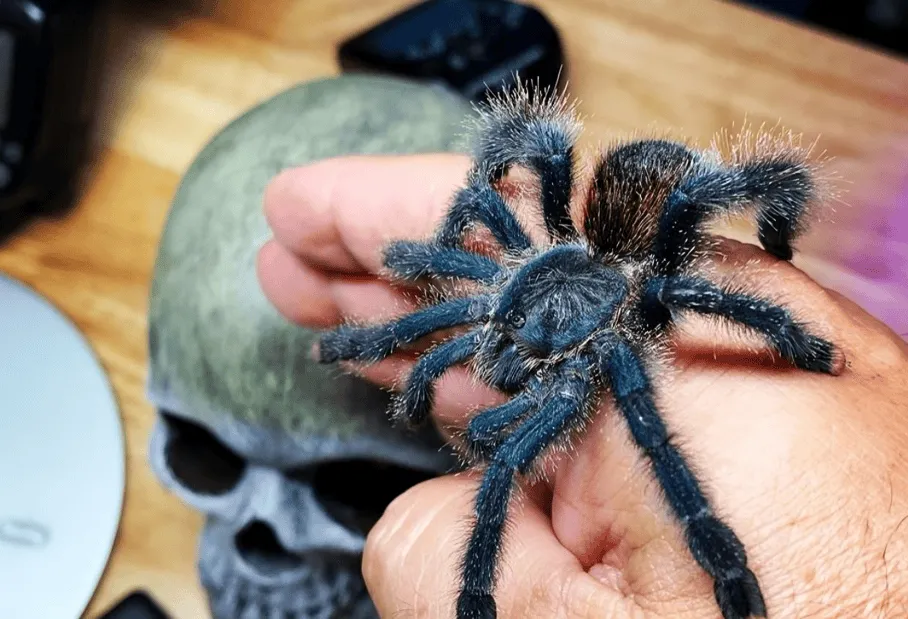
Understanding the Pink Toe Tarantula
The Pink Toe Tarantula, scientifically known as Avicularia avicularia, is a captivating and relatively easy-to-care-for species, making it a popular choice for beginner tarantula enthusiasts. Native to the tropical rainforests of South America and the Caribbean, these arboreal tarantulas are known for their striking appearance and docile temperament. Their vibrant pink foot pads and overall gentle nature set them apart from many other tarantula species. This comprehensive care guide is designed to provide new keepers with the essential knowledge to successfully house and care for a Pink Toe Tarantula, ensuring its health and well-being for years to come. This guide will cover everything from setting up their enclosure to understanding their dietary needs and recognizing signs of potential health issues.
Origin and Habitat
Pink Toe Tarantulas originate from the warm, humid environments of the rainforests of South America, including countries like Brazil, Guyana, and Suriname, and also from the Caribbean islands. In their natural habitat, they live in trees, building silken retreats amongst the leaves and branches. They are well-adapted to a life off the ground, which is reflected in their enclosure needs. Understanding their natural habitat is key to providing the right environment in captivity, ensuring their comfort and promoting their natural behaviors. This means replicating the warmth, humidity, and climbing structures they would find in their native environment.
Appearance and Characteristics

The Pink Toe Tarantula is easily recognizable, with its namesake pink or reddish foot pads. These vibrant pads are not only visually appealing but also crucial for climbing and navigating their arboreal habitat. Their bodies are typically a dark color, often with iridescent or metallic sheens that add to their beauty. They are relatively small to medium-sized tarantulas, with females growing up to 5-6 inches in leg span, while males are typically smaller. Their gentle disposition makes them a good choice for those new to tarantula keeping, but it’s important to always handle them with care and respect their space.
Setting Up the Perfect Enclosure
Creating the right enclosure is crucial for the health and happiness of your Pink Toe Tarantula. Since they are arboreal, the enclosure should prioritize height over floor space, allowing them to climb and feel secure. The setup should mimic their natural habitat as closely as possible to minimize stress and encourage natural behaviors. Proper ventilation, substrate, decor, and temperature/humidity control are all vital components of a successful enclosure, providing a healthy and stimulating environment.
Choosing the Right Tank
For a Pink Toe Tarantula, a taller rather than wider enclosure is ideal. A 10-gallon tank can be suitable for a juvenile, while an adult will thrive in a 15-20 gallon tall tank or terrarium. The enclosure should have a secure lid to prevent escape, and good ventilation is essential to prevent mold and maintain air quality. Consider enclosures made of glass or clear plastic, as they provide good visibility and allow you to monitor your tarantula easily. Ensure the enclosure is escape-proof and provides ample space for climbing.
Substrate Selection

The substrate should be absorbent to help maintain humidity, while also providing a surface that allows your tarantula to comfortably build its web. A mix of coco fiber, peat moss, and a small amount of vermiculite is an excellent choice. The substrate should be deep enough for your tarantula to burrow slightly if it chooses, but not so deep that it compacts. Ensure the substrate is clean and free of any chemicals or harmful substances. A depth of 2-4 inches is usually sufficient, providing both comfort and the ability to regulate humidity effectively.
Decorating the Enclosure
Pink Toe Tarantulas are arboreal and love to climb. Provide branches, cork bark, and artificial plants to create a stimulating environment. These decorations not only allow your tarantula to climb and build webs but also provide hiding spots, making them feel secure. Artificial plants are easy to clean and maintain, while cork bark provides a natural look and feel. Ensure the decor is securely placed to prevent it from falling and potentially injuring your tarantula. Always provide a water dish that is shallow and easy to access.
Maintaining Temperature and Humidity
Maintaining the correct temperature and humidity is crucial for the health of your Pink Toe Tarantula. The ideal temperature range is between 75-85°F (24-29°C). A heat lamp or a heat mat placed on the side of the enclosure can help maintain this range. Humidity levels should be kept between 70-80%. You can monitor humidity with a hygrometer. Misting the enclosure with water 2-3 times a week will help maintain the humidity, ensuring that the substrate remains slightly moist but not waterlogged, as this can lead to health problems.
Feeding Your Pink Toe Tarantula

Proper nutrition is vital for the growth and well-being of your Pink Toe Tarantula. They are voracious eaters, and their diet should consist of appropriate live insects. Understanding their dietary needs and how often to feed them will ensure that your tarantula remains healthy and active. It is essential to choose insects that are safe, readily available, and of the correct size for your tarantula. Providing a balanced diet will significantly impact their health and lifespan.
What to Feed Your Tarantula
The primary diet for a Pink Toe Tarantula consists of live insects. Crickets, roaches (such as Dubia roaches), and mealworms are excellent choices. The insects should be gut-loaded before feeding them to your tarantula, ensuring they are filled with nutrients. Gut-loading involves feeding the insects a nutritious diet, such as fruits, vegetables, and commercial insect food, at least 24 hours before feeding them to your tarantula. This practice ensures that your tarantula receives the maximum nutritional value. Avoid feeding them wild-caught insects, as they may carry parasites or pesticides.
Feeding Frequency and Portion Size
Feeding frequency depends on the age of the tarantula. Spiderlings (young tarantulas) should be fed two to three times a week. Juveniles can be fed once or twice a week, and adults may only need to be fed once every one to two weeks. The size of the prey should be proportionate to the size of the tarantula, with the insect being no larger than the tarantula’s abdomen. Remove any uneaten prey within 24 hours to prevent stressing the tarantula and to avoid potential injury. Always make sure that your tarantula has access to fresh, clean water.
Watering Your Tarantula

Providing fresh water is essential for the health of your Pink Toe Tarantula. Always provide a shallow water dish that is easily accessible. Ensure the water dish is clean and the water is fresh. You can also mist the enclosure regularly to maintain humidity and provide an additional source of water. For spiderlings, use a shallow water dish or a bottle cap filled with water to prevent them from drowning. Water is crucial for hydration and helps them with the molting process.
Handling and Safety
Handling a Pink Toe Tarantula can be done, but it should be approached with caution and respect for the animal. While they are generally docile, they can still bite if they feel threatened. It’s important to prioritize the tarantula’s well-being and safety. Careful observation of their behavior and recognizing signs of stress are crucial before attempting to handle them. Always remember that tarantulas are delicate creatures, and mishandling can result in injury to both the tarantula and the handler.
Proper Handling Techniques
If you choose to handle your Pink Toe Tarantula, do so cautiously and gently. Approach slowly and use a soft brush or a similar tool to gently encourage the tarantula to walk onto your hand. Avoid sudden movements or dropping the tarantula, as this can severely injure it. Always handle the tarantula over a soft surface, like a bed or a carpet, in case it falls. Avoid handling the tarantula if it is about to molt, as it is more vulnerable during this period.
Recognizing Signs of Stress

It’s important to recognize signs of stress in your Pink Toe Tarantula to ensure its well-being. Signs of stress include a defensive posture, such as rearing up, flicking hairs, or biting. If your tarantula is displaying these behaviors, it is best to leave it alone. Other signs include loss of appetite, lethargy, or hiding more than usual. Creating a calm and comfortable environment is key to minimizing stress. Make sure your tarantula has adequate space, appropriate temperature and humidity levels, and a secure environment.
Common Health Issues and Prevention
Like all pets, Pink Toe Tarantulas can be susceptible to certain health issues. Understanding these issues and how to prevent them is vital for ensuring your tarantula lives a long, healthy life. Providing a clean and appropriate habitat, proper diet, and regular observation are key steps in preventing health problems. Promptly addressing any unusual behaviors or signs of illness can prevent minor issues from escalating into more serious ones. A healthy tarantula is a happy tarantula!
Moulting and What to Expect
Moulting is a natural process where tarantulas shed their exoskeleton to grow. It’s a vulnerable time for them, and it’s important to provide a safe environment during this period. Signs of an upcoming molt include the tarantula refusing food, appearing sluggish, and developing a darker abdomen. The tarantula will typically lie on its back during the molting process. Do not disturb the tarantula during a molt. After the molt, the tarantula’s fangs will be soft, and it should not be fed until they harden, which can take up to a week. Provide a humid environment during molting to aid the process.
Identifying and Addressing Diseases

While Pink Toe Tarantulas are generally hardy, they can be susceptible to certain diseases. Common health issues include mites, fungal infections, and parasites. Mites can be identified by small moving specks on the tarantula or in the enclosure. Fungal infections often appear as discolored patches on the tarantula. If you notice any signs of illness, such as lethargy, loss of appetite, or unusual behaviors, consult with an experienced tarantula keeper or veterinarian familiar with exotic pets. Ensure your enclosure is clean and properly maintained to prevent diseases. Regular cleaning and quarantine of new tarantulas are important preventative measures.
Conclusion
Caring for a Pink Toe Tarantula can be a rewarding experience. By providing a suitable habitat, proper nutrition, and understanding their needs, you can ensure your tarantula thrives. Remember to always handle them with care, respect their space, and watch for any signs of stress or illness. With the information provided in this beginner’s guide, you are well-equipped to embark on your journey of tarantula keeping, creating a healthy and fulfilling life for your fascinating pet. Enjoy the unique experience of observing and caring for these amazing creatures.