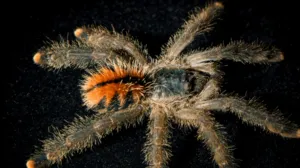
Understanding the Pink Toe Tarantula (Caribena versicolor)
The Pink Toe Tarantula, scientifically known as Caribena versicolor, is a captivating and popular species among tarantula enthusiasts. Its common name comes from the distinctive pink coloration on its tarsi (feet), which adds to its visual appeal. Native to the Caribbean islands, particularly Martinique and Guadeloupe, these arboreal tarantulas are known for their relatively docile temperament and striking appearance. Unlike many terrestrial tarantulas, the Pink Toe is adapted to living in trees, utilizing its long legs and specialized claws to navigate its arboreal environment. This species is generally considered a good choice for beginner tarantula keepers due to its manageable size and relatively low venom toxicity, although all tarantulas should be treated with respect and caution. Proper care is essential to ensure the health and well-being of your Pink Toe Tarantula, providing them with a comfortable and enriching environment that mimics their natural habitat.
Origin and Habitat of the Pink Toe Tarantula
Understanding the natural habitat of the Pink Toe Tarantula is key to providing it with the best possible care in captivity. These tarantulas are native to the rainforests of Martinique and Guadeloupe, where they thrive in a warm and humid environment. In their natural habitat, they construct silken retreats within trees, often under the bark or amongst the leaves, providing shelter from the elements and a vantage point for ambushing prey. The high humidity levels are critical for their survival, as they rely on this moisture to hydrate and to facilitate moulting. The temperature in their native range is relatively consistent, typically ranging between 75°F and 85°F (24°C and 29°C). Replicating these conditions in your Pink Toe Tarantula’s enclosure will significantly contribute to its health and longevity. Mimicking their environment is about more than just replicating their natural setting; it is about helping your pet to thrive.
Creating the Perfect Pink Toe Tarantula Enclosure

Creating the right enclosure is crucial for the health and happiness of your Pink Toe Tarantula. Since these tarantulas are arboreal, a tall enclosure is essential, providing ample vertical space for climbing and web-building. The enclosure should be well-ventilated to prevent mold and mildew, yet designed to maintain the required humidity levels. The ideal setup mimics their natural habitat, offering a sense of security and promoting natural behaviors. This means carefully considering the size, substrate, decor, and overall environment to ensure your Pink Toe Tarantula thrives. A well-designed enclosure will not only keep your pet healthy but also make it a captivating display, allowing you to observe the fascinating behavior of your tarantula.
Enclosure Size and Type
The size of the enclosure depends on the tarantula’s size; a juvenile Pink Toe Tarantula can thrive in a small enclosure, such as a 5-gallon terrarium, while a full-grown adult will need a larger space, like a 10-gallon or even a 15-gallon terrarium. Ensure the enclosure is taller than it is wide, allowing the tarantula to climb. The enclosure should have a secure lid to prevent escapes. Clear, acrylic or glass enclosures are best as they allow for easy viewing of your pet. Ventilation is key, so choose an enclosure with ventilation holes in the sides and the top to maintain airflow, but be mindful that the ventilation should not compromise humidity levels.
Substrate Selection
The substrate is the bedding material for your Pink Toe Tarantula’s enclosure. It plays a vital role in maintaining humidity levels and providing a comfortable environment for your tarantula. The best substrate options include a mix of coconut fiber, peat moss, and a small amount of sphagnum moss. This combination retains moisture well while allowing for good airflow. Avoid using substrates like sand or gravel, as they don’t hold humidity effectively and can be difficult for the tarantula to navigate. The substrate should be deep enough (about 2-4 inches) for the tarantula to burrow slightly if it chooses to. Clean the substrate regularly and replace it every few months to prevent mold growth and maintain a healthy environment.
Decor and Hiding Places

Providing decor and hiding places is crucial for your Pink Toe Tarantula’s well-being, as it gives them a sense of security and allows them to express their natural behaviors. Include several pieces of cork bark, branches, or artificial plants to allow the tarantula to climb and create a web. These will also serve as hiding spots. Artificial or real plants (ensure they are non-toxic) can help maintain humidity and offer the tarantula a place to hide. Arrange the decor to provide a variety of climbing surfaces and hiding spots throughout the enclosure. Ensure the decor is securely placed to prevent it from falling and potentially injuring the tarantula. Remember, a well-decorated enclosure not only provides a comfortable living space for your tarantula but also enhances its appearance.
Maintaining Optimal Humidity and Temperature
Maintaining the correct humidity and temperature levels is essential for the health of your Pink Toe Tarantula, directly affecting its ability to moult properly, stay hydrated, and remain active. These conditions closely replicate their natural habitat, promoting their overall well-being. Regular monitoring with a hygrometer and thermometer is necessary to ensure that the environment is within the ideal parameters. Incorrect humidity and temperature can lead to serious health issues, so consistent attention to these factors is key to successful Pink Toe Tarantula care.
Humidity Requirements
Pink Toe Tarantulas require a humidity level between 70% and 80%. To maintain this, mist the enclosure with dechlorinated water, usually 2-3 times per week. The frequency of misting depends on the ventilation of your enclosure and the ambient humidity of your home. The goal is to allow the substrate and decor to become slightly damp, not soaking wet. A hygrometer (humidity gauge) will help you monitor the humidity levels accurately. In addition to misting, providing a water dish will help maintain adequate humidity. Proper humidity is vital for successful moulting. Insufficient humidity can cause moulting problems, leading to potential health complications. Always aim for balance to provide the best possible environment.
Temperature Regulation

The ideal temperature range for Pink Toe Tarantulas is between 75°F and 85°F (24°C and 29°C). Most homes maintain a temperature within this range, making supplemental heating often unnecessary. However, in cooler climates, you may need to use a low-wattage heat source, such as a heat mat placed on the side of the enclosure. Avoid placing the heat mat directly under the enclosure, as this can cause the substrate to dry out too quickly and potentially harm the tarantula. Always monitor the temperature with a thermometer to ensure it remains within the appropriate range. Sudden fluctuations in temperature should be avoided. Maintaining a stable temperature is crucial for the tarantula’s metabolism and overall health. Ensure the enclosure isn’t placed in direct sunlight, which can cause dangerous overheating.
Feeding Your Pink Toe Tarantula
Feeding your Pink Toe Tarantula appropriately is crucial for its growth, health, and overall well-being. They are opportunistic predators, and their diet should closely reflect what they would eat in the wild. The type of food and frequency of feeding play a significant role in keeping your tarantula healthy. Regular monitoring of your tarantula’s eating habits and adjusting its diet based on its life stage and needs is essential for optimal care. Understanding their feeding needs will ensure your Pink Toe Tarantula thrives.
Choosing the Right Food
Pink Toe Tarantulas primarily feed on insects. Good food choices include crickets, roaches (such as Dubia roaches), mealworms, and even occasional waxworms as a treat. The size of the insect should be appropriate for the tarantula; a good rule is to offer prey no larger than the tarantula’s abdomen. Ensure the insects are gut-loaded (fed nutritious food) before offering them to your tarantula, providing essential nutrients. Remove uneaten prey within 24 hours to prevent stress and potential harm to your tarantula. Avoid feeding wild-caught insects, as they may carry parasites or pesticides. Always provide fresh, clean water, preferably in a shallow dish, to ensure your tarantula stays hydrated.
Feeding Frequency and Schedule

Feeding frequency varies depending on the tarantula’s age. Spiderlings and juveniles should be fed more frequently, approximately 2-3 times per week, while adults can be fed once every 1-2 weeks. Observe your tarantula’s abdomen size; if it appears plump, it is well-fed, and you can adjust the feeding frequency accordingly. Reduce feeding frequency when the tarantula is in pre-moult, as they typically stop eating before they moult. Always remove any uneaten food to prevent the build-up of waste and potential mold growth. Adjust the feeding schedule based on the tarantula’s growth, appetite, and overall health. Avoid overfeeding, as this can stress the tarantula and lead to health problems.
Watering and Hydration
Providing access to clean water is as important as providing food for your Pink Toe Tarantula. Water is essential for hydration and helps with moulting. Always provide fresh, clean water, preferably in a shallow, easily accessible dish. This will ensure your tarantula can drink safely without the risk of drowning. Regularly check and refill the water dish. Over time, it is possible for debris to get into the water; keep it clean to prevent contamination. Misting the enclosure can also supplement hydration. Monitoring your tarantula for signs of dehydration, and promptly addressing any issues, is crucial for its health.
Providing Fresh Water
Fresh water is essential for Pink Toe Tarantulas to stay hydrated and healthy. A small, shallow water dish is the best option, providing easy access without the risk of the tarantula drowning. Use dechlorinated or bottled water to avoid harmful chemicals. Regularly clean and refill the water dish to prevent bacterial growth and ensure the water is always fresh. Place the water dish in a secure location where it won’t be easily tipped over. Regularly check the water dish for debris and clean it frequently, at least once a week or more often if necessary. This ensures the water is clean, safe, and accessible.
Recognizing Dehydration Signs

Knowing how to recognize signs of dehydration in your Pink Toe Tarantula is vital. Dehydration can lead to serious health issues. The most common signs include a shrunken abdomen, lethargy, and lack of appetite. The tarantula might also appear sluggish and less active than usual. If you observe any of these symptoms, increase the humidity in the enclosure immediately by misting more frequently and ensuring the water dish is full. Provide water by gently dripping water droplets near the tarantula’s mouth. If the condition persists, consult a veterinarian or experienced tarantula keeper for advice. Prevention is key, so maintain proper humidity levels and always provide fresh water.
Handling and Interaction Safety
While Pink Toe Tarantulas are generally considered docile, it’s essential to approach handling with caution and respect. Their size and the presence of venom make it necessary to prioritize safety. Handling should be limited and only done when absolutely necessary, as excessive handling can stress the tarantula. Understanding their behavior and the appropriate handling techniques will keep both you and your pet safe. Remember that any tarantula bite can be painful, and some individuals may experience allergic reactions. Always be mindful and patient when interacting with your Pink Toe Tarantula, appreciating them from a distance is often the best approach.
When to Handle and When to Avoid
Handling your Pink Toe Tarantula should be kept to a minimum, only when absolutely necessary, such as for enclosure maintenance or health checks. Avoid handling during moulting, as the tarantula is extremely vulnerable. Also, avoid handling a tarantula that appears stressed, defensive, or agitated. It’s best to observe and appreciate your tarantula in its natural habitat within its enclosure. Sometimes the best interaction is simply observing. Prioritizing the tarantula’s well-being will enhance its overall health and reduce the risk of unwanted incidents. Always assess the tarantula’s behavior before attempting any interaction. Consider the overall benefits and risks before handling your pet.
Safe Handling Techniques

If you must handle your Pink Toe Tarantula, do so with extreme care. Approach the tarantula slowly and gently, avoiding sudden movements. The tarantula should be able to see you clearly. Encourage the tarantula to walk onto your hand by gently placing your hand in front of it. Avoid grabbing or forcing the tarantula to move. Support the tarantula with both hands to prevent it from falling. Handle the tarantula close to the ground or a soft surface in case it falls. If the tarantula shows signs of stress or defensiveness, gently return it to its enclosure immediately. Wash your hands thoroughly after handling. Be mindful of the tarantula’s delicate nature and handle it with respect and patience.
Common Health Issues and Prevention
Pink Toe Tarantulas, like any pet, can be susceptible to certain health issues. Understanding these potential problems and how to prevent them is crucial to providing good care. Several factors, including improper enclosure conditions, poor diet, and parasites, can impact their health. Regular observation, preventive measures, and knowing when to seek professional veterinary help are essential for maintaining a healthy Pink Toe Tarantula. A healthy environment significantly contributes to the tarantula’s longevity and well-being. Proactive care and prompt attention to potential health concerns are key.
Moulting and What to Expect
Moulting is a natural and essential process for Pink Toe Tarantulas, during which they shed their exoskeleton to grow. The frequency of moulting decreases as the tarantula matures. Before moulting, the tarantula will typically stop eating, and its abdomen may appear darker and swollen. It may also build a web mat for the process. During moulting, do not disturb the tarantula. Provide a humid environment to help the process. After moulting, the tarantula will be soft and vulnerable, so avoid handling and provide access to water. The process can take several hours or even days. Be patient and provide a safe, undisturbed environment for your Pink Toe Tarantula throughout its moulting cycle. After moulting, the tarantula will also have a vibrant new appearance.
Preventing and Addressing Problems

Many health problems in Pink Toe Tarantulas can be prevented through proper care. Maintaining the correct humidity and temperature levels is crucial. Provide a varied and nutritious diet. Keep the enclosure clean and replace the substrate regularly. Quarantine any new tarantulas before introducing them to existing ones. If you notice any signs of illness, such as lethargy, loss of appetite, or unusual behavior, isolate the tarantula and seek professional veterinary advice immediately. Common issues include mites, fungal infections, and dehydration. Regular observation and prompt action can prevent minor issues from escalating into serious health problems. Ensure you research and understand possible conditions.
Breeding Pink Toe Tarantulas
Breeding Pink Toe Tarantulas can be a rewarding experience, allowing you to witness the fascinating life cycle of these creatures. However, it requires careful planning, knowledge, and attention to detail. The process involves identifying the sex of the tarantulas, introducing them under specific conditions, and caring for the eggs and spiderlings. Understanding the complexities of breeding is crucial to ensure the health and survival of both the adults and their offspring. Breeding is not something to be taken lightly. Successfully breeding requires knowledge and preparation.
Identifying Males and Females
Sexing Pink Toe Tarantulas can be challenging. The most reliable method is to examine the exuviae (the shed exoskeleton) of an adult tarantula. Examine the underside of the moult; males will have a small, pear-shaped spermatheca, while females will have two separate spermathecae. It’s also possible to sex sub-adult tarantulas using a strong magnifying glass. Males will have tibial hooks on their front legs and enlarged pedipalps (mouthparts) that resemble boxing gloves. Accurate sexing is essential for successful breeding. If you are unsure, consult with an experienced tarantula keeper or breeder for assistance. Incorrect sexing can lead to conflict between the tarantulas.
The Mating Process
Once you have a confirmed male and female Pink Toe Tarantula, you can begin the mating process. It’s usually best to introduce a well-fed female to the male’s enclosure, as the female may attack the male. Carefully monitor their behavior. The male will approach the female and drum on her web to signal his intentions. If the female is receptive, she will allow him to mate. The male will use his pedipalps to transfer sperm to the female. After mating, immediately separate the male and female to prevent the female from eating the male. Successful mating does not guarantee eggs, and several attempts may be required. The female must be properly nourished to produce viable eggs.
Caring for Spiderlings
If the mating is successful, the female will lay eggs in a silken egg sac. The egg sac must be carefully removed to an incubator set at optimal conditions. Once the spiderlings hatch, they should be separated into individual enclosures to prevent cannibalism. Provide a small enclosure with suitable substrate and a tiny water dish. Feed the spiderlings small, gut-loaded prey, such as fruit flies or pinhead crickets. Keep the enclosure humid and at the correct temperature. Spiderlings are extremely fragile, so meticulous care is essential. Proper care for spiderlings ensures their survival and healthy development.