What Causes Hair Loss in Pink Toe Tarantulas
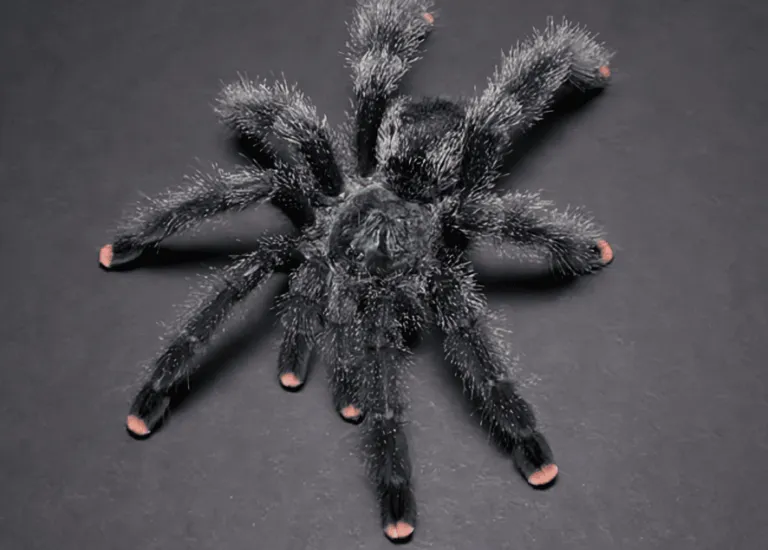
Pink Toe Tarantulas, known for their vibrant colors and docile nature, are popular pets, but like all living creatures, they can experience health issues. One common concern among Pink Toe Tarantula owners is hair loss, also known as urticating hair loss or baldness. This can be a distressing sight, but understanding the causes is the first step in addressing the problem. Hair loss in these arachnids isn’t always a sign of a serious issue, but it’s crucial to identify the underlying cause to ensure the tarantula’s well-being. Several factors, ranging from natural processes to environmental stressors, can contribute to this condition, so thorough observation and prompt action are essential for the health of your pet.
Common Reasons for Hair Loss
Several factors can lead to hair loss in Pink Toe Tarantulas. Some are normal and expected, while others indicate a problem that needs attention. Knowing the difference can help you determine the best course of action to maintain the health of your pet. Observing your tarantula regularly will assist you in identifying any possible causes early on. Remember to maintain a regular record to assess your tarantula’s health and condition. This record will help you when consulting an expert or vet about your pet’s health.
Moulting and Hair Loss
Moulting is a natural process where tarantulas shed their exoskeleton to grow. During this process, they may lose some hairs, particularly from their abdomen. This is usually normal, and the hairs will regrow with the new exoskeleton. Keep in mind that it is a normal process for the tarantula to lose some hairs. This is part of their natural development. Ensure that you do not disrupt your tarantula during this time and ensure a safe environment.
Stress and Environmental Factors
Stress from improper environmental conditions, such as inadequate humidity, temperature fluctuations, or a cramped enclosure, can also cause hair loss. Tarantulas need specific environmental conditions to thrive, and deviations from these can lead to stress and hair loss. Ensure the enclosure is spacious enough, appropriately heated, and humidified to mimic their natural habitat. Provide hiding places and avoid frequent disturbances. If these factors are not addressed, they can cause hair loss and affect your tarantula’s well-being. Make sure you consistently maintain the proper environment and watch for signs of stress.
Parasites and Mites
Parasites and mites can also cause hair loss and skin irritation. Regular inspection of your tarantula and its enclosure is crucial. If you suspect a parasite infestation, consult a veterinarian experienced with exotic pets to get the correct diagnosis and treatment. Be sure to isolate the affected tarantula to prevent spreading if you suspect a mite infestation, and clean the enclosure thoroughly. Check the tarantula frequently, and if anything seems off, consult a vet for help and advice.
How to Identify Hair Loss in Your Tarantula

Recognizing hair loss early can help you address the underlying issue quickly. Regularly observe your Pink Toe Tarantula for any changes in its appearance or behavior. Early detection can prevent the condition from worsening. The sooner you detect the problem, the quicker you can implement remedies or consult with a vet for specialized treatment. Keep in mind that the sooner you act, the better the chances are for your tarantula’s full recovery and well-being. Always prioritize a healthy and thriving environment for your pet.
Visual Signs of Hair Loss
The most apparent sign of hair loss is the thinning or complete absence of hairs on the abdomen or other body parts. Look for bald patches that stand out against the rest of the tarantula’s body. These patches may vary in size and severity. In addition to bald patches, you might notice that the skin in those areas looks slightly different, perhaps appearing shinier or more translucent. Also, observe the overall condition of the exoskeleton, looking for signs of damage or abnormalities. Careful observation will help you determine the severity of the hair loss and any associated symptoms.
Changes in Behavior
Besides visual signs, changes in behavior can indicate hair loss or other health issues. Watch for lethargy, loss of appetite, or a reluctance to move around the enclosure. A tarantula that is losing hair might also try to hide more often. These behavioral changes can be subtle, so it’s essential to know your tarantula’s normal habits and routines. If you notice significant deviations from the norm, it’s a good idea to investigate further. Additionally, examine your tarantula’s interactions with its surroundings and any signs of stress. These behavioral clues, coupled with visual inspections, will help you determine the need for immediate intervention.
How to Help Your Pink Toe Tarantula

Once you’ve identified the cause of hair loss, you can take steps to help your tarantula. Early and appropriate intervention can prevent the condition from worsening and promote the tarantula’s recovery. Addressing environmental issues, providing nutritional support, and, if necessary, seeking veterinary care are the keys to your pet’s recovery and continued health. Always prioritize actions that support the tarantula’s well-being, providing a stress-free environment.
Improving the Environment
Ensure the enclosure is set up properly to provide a safe, stress-free environment for your Pink Toe Tarantula. This means maintaining the correct temperature, humidity, and providing a suitable substrate. Regular maintenance of the enclosure is essential to prevent any environmental issues that could lead to stress and hair loss. Keep the enclosure clean by removing any uneaten food and waste. Make sure the enclosure is well-ventilated. The environment should always mimic the tarantula’s natural habitat as closely as possible. This will prevent stress and any potential hair loss issues.
Ensuring Proper Humidity
Pink Toe Tarantulas require specific humidity levels to thrive. Use a hygrometer to monitor the humidity in the enclosure. Keep the humidity levels between 70-80% by misting the enclosure regularly or by adding a water dish. The humidity is essential for the tarantula’s health. Humidity issues are a common cause of hair loss in this species. Make sure you are diligent in keeping the proper level, or else your pet will suffer. Remember to monitor the levels and adjust the humidity accordingly to maintain your tarantula’s health.
Providing a Safe Enclosure

A safe enclosure includes appropriate substrate, hiding places, and proper ventilation. Use a substrate like coconut fiber or peat moss to retain moisture and provide a place for your tarantula to burrow if it wants to. Provide a hide, such as a piece of cork bark or a hollow log, where your tarantula can feel secure. Ensure the enclosure has enough space for the tarantula to move around. A crowded enclosure can cause stress. Make sure the enclosure has proper ventilation to prevent mold and maintain air quality. A well-designed enclosure will help your Pink Toe Tarantula feel safe and prevent stress, which is a significant factor in hair loss.
Nutritional Support
A balanced diet is essential for your tarantula’s health, which includes healthy hair growth. Feed your Pink Toe Tarantula a variety of insects, such as crickets, roaches, or mealworms, that are gut-loaded with nutritious food. Gut loading is the process of feeding insects nutritious food before feeding them to your tarantula, increasing the vitamin and mineral content. Provide fresh water at all times. Consider adding vitamin supplements to the tarantula’s diet, but always consult a vet before making any significant changes to the tarantula’s diet. A proper diet supports overall health and may help in hair regrowth.
When to Seek Veterinary Advice
While many cases of hair loss are manageable at home, some situations require professional veterinary care. Knowing when to seek help can make a significant difference in your tarantula’s health and recovery. Do not hesitate to seek professional help when you feel it is necessary. A vet can provide a diagnosis and treatment plan, which is sometimes necessary for recovery. The vet will look into the underlying causes of the hair loss.
Recognizing Severe Cases

If the hair loss is extensive, accompanied by other symptoms like lethargy, loss of appetite, or the presence of sores or lesions, it’s time to consult a vet. Any unusual changes in behavior or a failure to eat should be noted. If you suspect a parasite infestation or notice signs of illness, such as discolored fluids, it is best to take your tarantula to the vet. If the hair loss persists despite your best efforts to improve the environment and diet, veterinary intervention is recommended. The sooner you seek help, the better the outcome will be for your pet. Do not wait to seek help if you feel your tarantula’s condition is worsening.
Finding a Qualified Exotic Vet
Not all veterinarians are equipped to treat tarantulas. When seeking veterinary care, make sure you find a vet specializing in exotic animals. Look for a vet with experience in treating invertebrates, especially tarantulas. You can ask for recommendations from local pet stores that specialize in exotic animals or from online communities. Once you find a vet, ask about their experience with tarantulas, their diagnostic capabilities, and their treatment options. A qualified vet can provide an accurate diagnosis and an effective treatment plan. This will ensure your Pink Toe Tarantula receives the best possible care.
In conclusion, hair loss in Pink Toe Tarantulas can be caused by various factors. By understanding these causes and taking appropriate actions, you can help your tarantula maintain its health and appearance. Regular observation, a proper environment, and, when necessary, veterinary care will ensure your pet lives a long and healthy life.