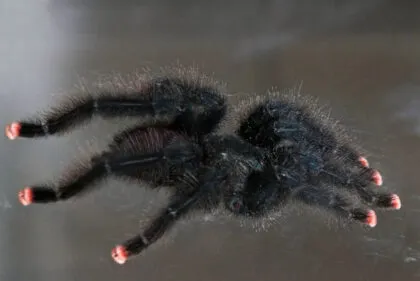
What is a Pink Toe Tarantula?
The Pink Toe Tarantula, scientifically known as Avicularia avicularia, is a captivating arachnid that has gained popularity as a pet due to its striking appearance and relatively docile temperament. Originating from the rainforests of South America, these spiders are arboreal, meaning they spend most of their lives in trees. Their name comes from the pinkish hue found on the tips of their legs, contrasting beautifully with their dark bodies. Understanding the basic characteristics of the Pink Toe Tarantula is essential to addressing the question of whether they are poisonous.
Appearance and Habitat
Pink Toe Tarantulas are easily recognizable by their unique features. They typically have a dark body, often black or dark grey, with distinctive pink or reddish hairs on their legs. Their size can vary, with females generally growing larger than males, reaching up to 5-6 inches in leg span. In their natural habitat, these tarantulas thrive in humid environments, constructing silk nests in trees, where they ambush prey. Their arboreal lifestyle dictates their behavior and influences their encounters with other animals, including humans. They are masters of camouflage, blending seamlessly into their surroundings, which aids in hunting and protection from predators.
Pink Toe Tarantula Venom vs. Poison

A crucial distinction to make is the difference between venom and poison. This is essential in understanding the potential danger of a Pink Toe Tarantula. Venom is injected through a bite or sting, while poison is ingested or absorbed. Many people incorrectly use the terms interchangeably. Therefore, when discussing whether a Pink Toe Tarantula is ‘poisonous’, we must determine if it contains a substance that is harmful if ingested, but tarantulas, including the Pink Toe Tarantula, do not possess any form of poison. The danger lies in the venom it injects, which is delivered through its fangs.
Understanding the Difference
Venomous animals, like snakes and spiders, deliver toxins through a bite or sting, directly into the bloodstream. Poisonous animals, on the other hand, harm through ingestion, inhalation, or absorption. Pink Toe Tarantulas are venomous, not poisonous. Their venom is a complex mixture of proteins and enzymes designed to subdue prey. This distinction is essential because it highlights how the Pink Toe Tarantula delivers its harmful substance. This method is a crucial factor to understand the potential risk to humans and other animals.
Is Pink Toe Tarantula Venom Dangerous to Humans?
Generally, the venom of a Pink Toe Tarantula is not considered life-threatening to humans. However, a bite from a Pink Toe Tarantula can still be a painful and unpleasant experience. The severity of the reaction can vary depending on the individual, the amount of venom injected, and the location of the bite. While severe reactions are rare, it is important to be aware of the potential symptoms and how to respond if bitten. Pink Toe Tarantulas are not aggressive creatures and usually bite only when provoked or threatened, for instance when they feel trapped or are being handled roughly. Therefore, it is always best to handle them with care.
Symptoms of a Pink Toe Tarantula Bite

If bitten by a Pink Toe Tarantula, you might experience immediate pain, redness, and swelling at the bite site. Other possible symptoms can include muscle cramps, itching, and, in some cases, mild nausea or headache. The intensity of these symptoms will often depend on the individual’s sensitivity and the amount of venom injected. Most symptoms subside within a few hours to a day. However, if you experience any serious symptoms such as difficulty breathing, severe swelling, or persistent pain, seek medical attention immediately. Usually, the bite will resemble a bee sting.
What to Do if Bitten
If bitten by a Pink Toe Tarantula, follow these steps for proper first aid. First, stay calm and move away from the tarantula. Clean the bite area with mild soap and water. Apply a cold compress to reduce swelling and pain. Avoid scratching the area, as this can increase the risk of infection. Monitor your symptoms and seek medical attention if they worsen or if you experience any signs of an allergic reaction. Even though bites are not usually life-threatening, it’s important to take appropriate action. Most of the time, symptoms can be managed at home. The best approach is always prevention, taking care when handling the tarantula.
Are Pink Toe Tarantulas Poisonous to Other Animals?
Pink Toe Tarantulas, like all tarantulas, are venomous, and their venom is designed to subdue prey. Their venom is not typically lethal to larger animals or humans, the same is true when considering the impact of their venom on other animals. The effect of the venom will vary depending on the size and sensitivity of the animal. Smaller animals are more susceptible to the venom. As mentioned earlier, the primary purpose of the venom is to immobilize the prey allowing the tarantula to eat it. The tarantula uses its venom to aid in the hunting process and will rarely attack unless threatened, and the effect is often temporary and not fatal.
Prey and Defense Mechanisms

Pink Toe Tarantulas primarily feed on insects and other invertebrates. Their venom plays a crucial role in subduing their prey, which includes crickets, cockroaches, and small lizards. Besides using venom, they have other defense mechanisms, such as urticating hairs on their abdomen. These hairs can cause irritation if they come into contact with skin. When threatened, the tarantula will flick these hairs towards the perceived threat. It is important to note that Pink Toe Tarantulas are not aggressive and often prefer to flee rather than fight. Their bite is mainly reserved for defense.
Debunking Common Myths About Pink Toe Tarantula Poison
Misinformation about tarantulas, including Pink Toe Tarantulas, is common. Separating fact from fiction is important for the safety of both pet owners and the spiders themselves. Many myths paint these creatures as more dangerous than they are, leading to unnecessary fear and even inhumane treatment. Understanding what is true about Pink Toe Tarantula venom and behaviors will help you to make an informed decision about the animals. Here are some of the most common misconceptions, debunked.
Myth 1: All Tarantulas are Highly Venomous
While all tarantulas possess venom, not all are equally dangerous to humans. The venom of the Pink Toe Tarantula is considered relatively mild, similar to a bee sting. Some species have more potent venom and can cause more severe reactions, but Pink Toe Tarantulas are not in this category. The severity of a bite depends on the species, the amount of venom injected, and the individual’s sensitivity. This myth often leads to fear and the misidentification of safe tarantulas. This misconception can cause needless anxiety and can lead to misunderstanding and cruelty toward the spiders.
Myth 2: Pink Toe Tarantulas Can Kill Humans

This is a highly exaggerated myth. While a Pink Toe Tarantula bite can be unpleasant, it is not typically fatal to humans. In rare cases, individuals with allergies or other health conditions might experience more severe reactions, but these are exceptions. The venom is not designed to kill humans and is primarily intended to subdue the spider’s prey. There is no recorded evidence of a Pink Toe Tarantula bite causing death in a healthy human. The fact is that the Pink Toe Tarantula is generally a safe animal to keep as a pet if handled properly.
Conclusion
In summary, while Pink Toe Tarantulas are venomous, they are not poisonous. Their venom is not considered highly dangerous to humans, and serious reactions are rare. Understanding the difference between venom and poison is crucial, as is debunking common myths surrounding these fascinating creatures. By handling them with care and respecting their natural defenses, you can safely enjoy the beauty and uniqueness of the Pink Toe Tarantula as a pet. Always prioritize responsible pet ownership and be prepared with basic first-aid knowledge if you choose to keep these interesting creatures.